Sales Qualified Lead (SQL)
A Sales Qualified Lead (SQL) is a prospect who has moved through the sales pipeline and shown enough intent that your sales team can focus on converting them into a customer.
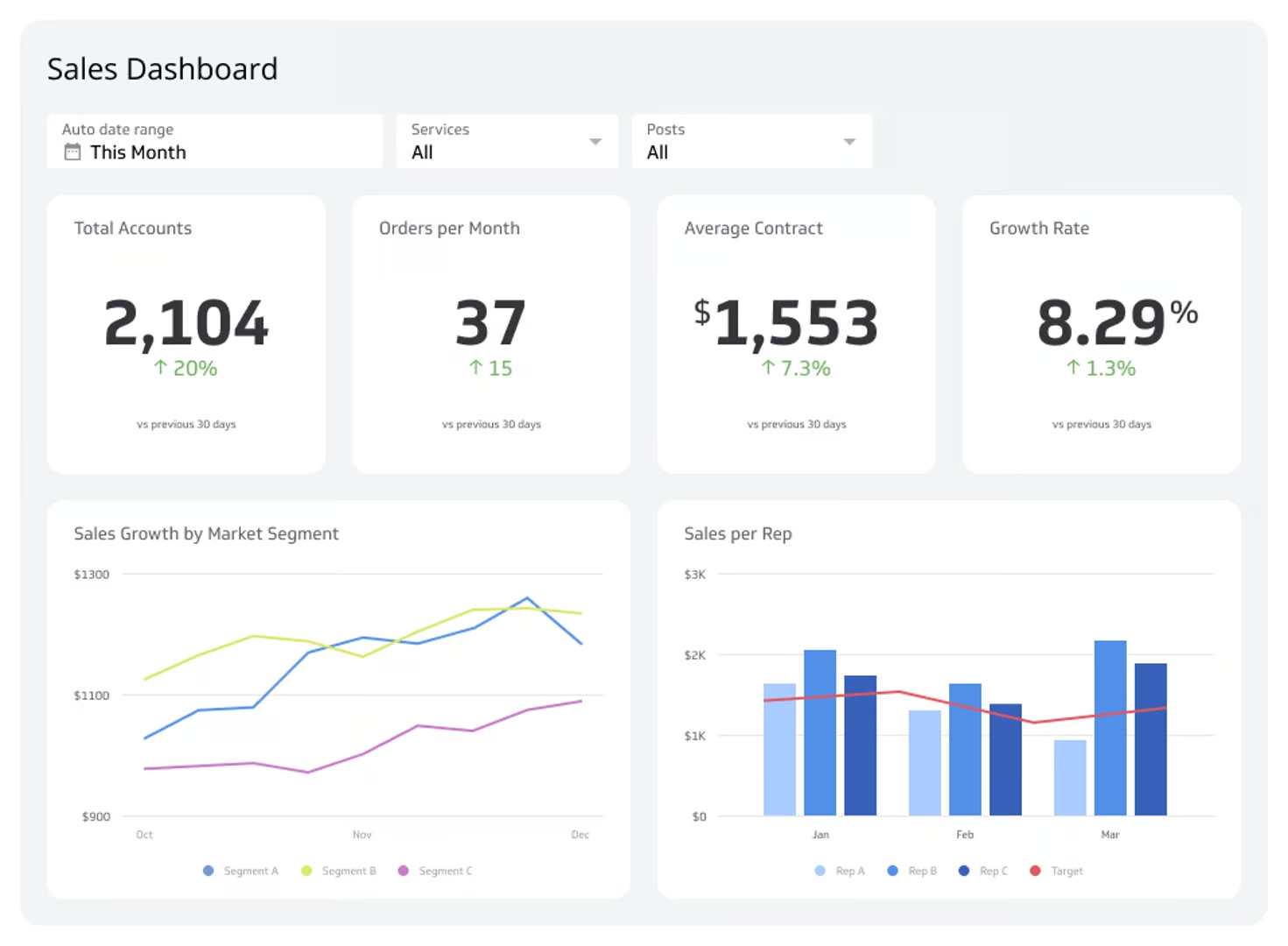
Sales Qualified Leads by month
A Sales Qualified Lead (SQL) is a prospect who has moved through the sales pipeline and shown enough intent that your sales team can focus on converting them into a customer.
Unlike a lead who just browsed your site or downloaded a guide, an SQL has cleared a meaningful bar. Your team has assessed them and confirmed they are worth pursuing directly.
What is a Sales Qualified Lead?
A Sales Qualified Lead is a prospect the sales team has reviewed and confirmed as ready for direct outreach, based on demonstrated intent and fit.
The difference matters because not every lead deserves the same attention. Chasing the wrong ones costs time your team does not have. Identifying SQLs lets your team put energy where it will actually close.
SQL vs. MQL: what's the difference?
A Marketing Qualified Lead (MQL) is a prospect the marketing team has flagged as worth nurturing. MQLs are typically in the awareness or interest stage of the buyer's journey. They have shown curiosity but are not ready to buy.
An SQL has gone further. They have expressed clear purchase intent and are ready to speak with a sales representative. The distinction shapes how your team spends its time.
| MQL | SQL | |
|---|---|---|
| Stage | Awareness / interest | Decision / intent |
| Readiness | Not ready to buy | Ready for sales conversation |
| Owner | Marketing team | Sales team |
| Next step | Nurture with content | Direct outreach |
SQL vs. SAL: what's the difference?
A Sales Accepted Lead (SAL) sits between an MQL and an SQL. When marketing passes a lead to sales, the sales team reviews it and either accepts or rejects it. A SAL is one the sales team has accepted as worth investigating.
An SQL comes next. After an initial exchange, typically a call or email, the sales team confirms the lead is genuinely ready for a personalized sales conversation. SAL is the handoff. SQL is the green light.
Why SQL matters
Your sales team's time is finite. Without a clear definition of what qualifies as an SQL, reps end up in conversations with people who are not ready to buy, which delays pipeline and erodes confidence in the numbers.
Tracking SQLs gives you something more useful than a lead count. It tells you how well your marketing and sales process is working together, where deals are stalling, and which acquisition channels are producing leads that actually close.
When you know your SQL conversion rate, you can make decisions with confidence rather than guessing. You are not pasting numbers into a spreadsheet and hoping the picture makes sense. You are looking at a reliable signal and acting on it.
How SQLs are qualified
The most widely used framework for qualifying SQLs is BANT. It evaluates four factors:
- Budget: Can the prospect afford your product? If not, they are not a qualified lead regardless of their interest level.
- Authority: Are you speaking with someone who can make or meaningfully influence the purchase decision?
- Need: Does the prospect have a genuine problem your product solves?
- Timeline: Is the prospect planning to buy within a timeframe that makes the opportunity worth pursuing now?
The BANT method keeps your team focused on leads with real potential, not just leads who seem enthusiastic.
Budget
Ask directly whether your pricing works for them. It is the fastest way to remove unqualified leads early and protect your team's time.
Authority
Confirm you are speaking with a decision-maker or someone with real influence. Reaching the wrong person means starting over later.
Need
Understand what problem the prospect is trying to solve. If your product does not address it, move on. Pursuing a poor fit wastes both sides' time.
Timeline
Prospects planning to buy within three to six months are the strongest candidates. Knowing the timeline lets your team prioritize and forecast accurately.
How to generate more SQLs
Before you can convert SQLs, you need a steady flow of them. These four approaches help.
Lead magnets: Offer something genuinely useful, such as a whitepaper, checklist, or template, in exchange for contact information. Prospects who engage with substantive content tend to be further along in their thinking than those who just filled out a contact form.
Engagement sequences: Once someone enters your funnel, build trust before you pitch. Send helpful, relevant content that addresses their likely questions. Prospects who feel understood are far more willing to take the next step.
Lead research: Study your leads before you reach out. Understand their business, their role, and where they are in the buying process. A tailored conversation converts better than a generic one.
Progressive profiling: Start with a name and email, then gather more detail over time. When a prospect shares a phone number or company size, they are signalling genuine interest. Use that signal.
Tracking SQLs with a dashboard
Knowing your SQL count is a start. Knowing your SQL-to-close rate, average deal size by lead source, and time from MQL to SQL tells you something actionable.
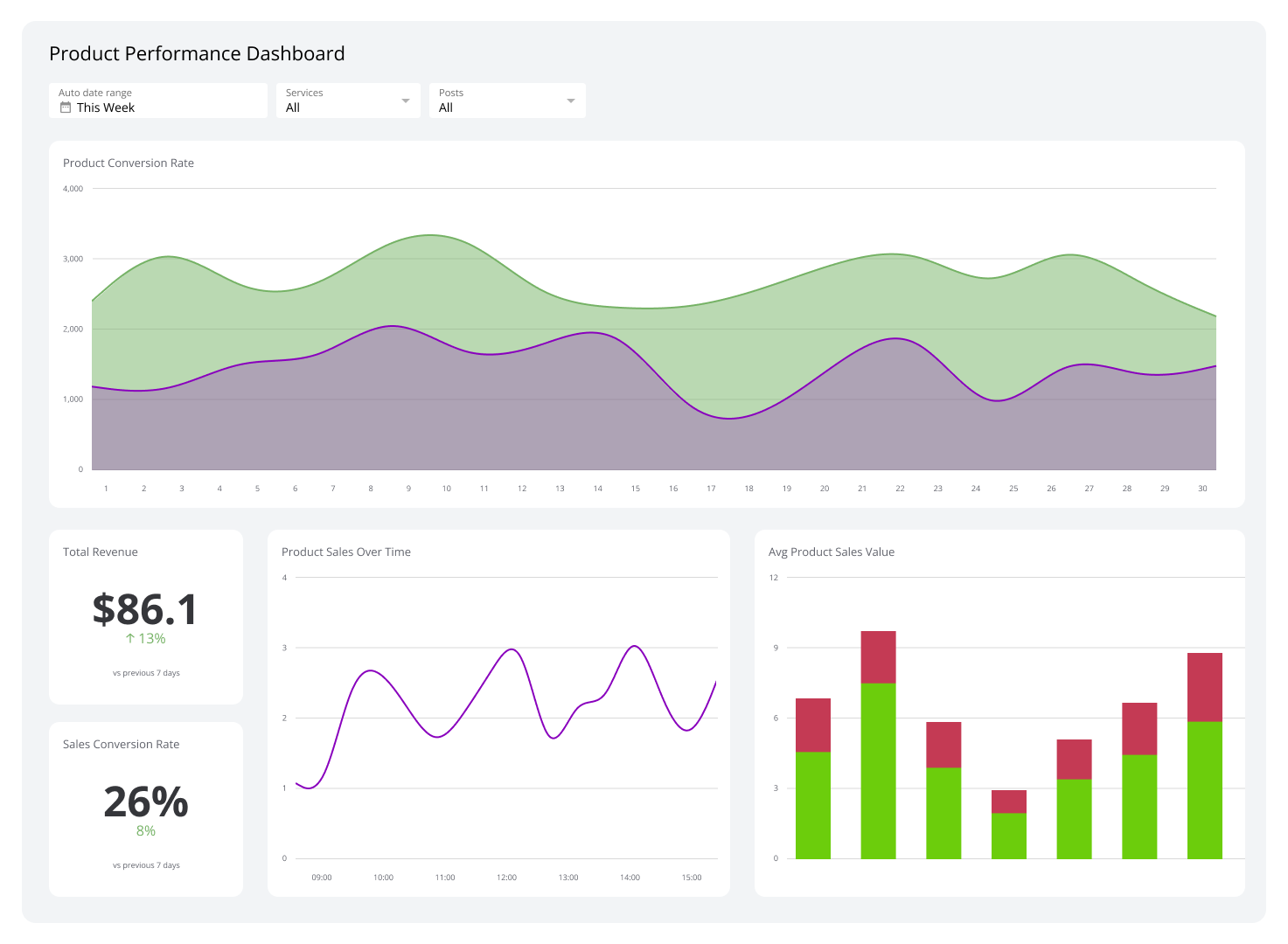
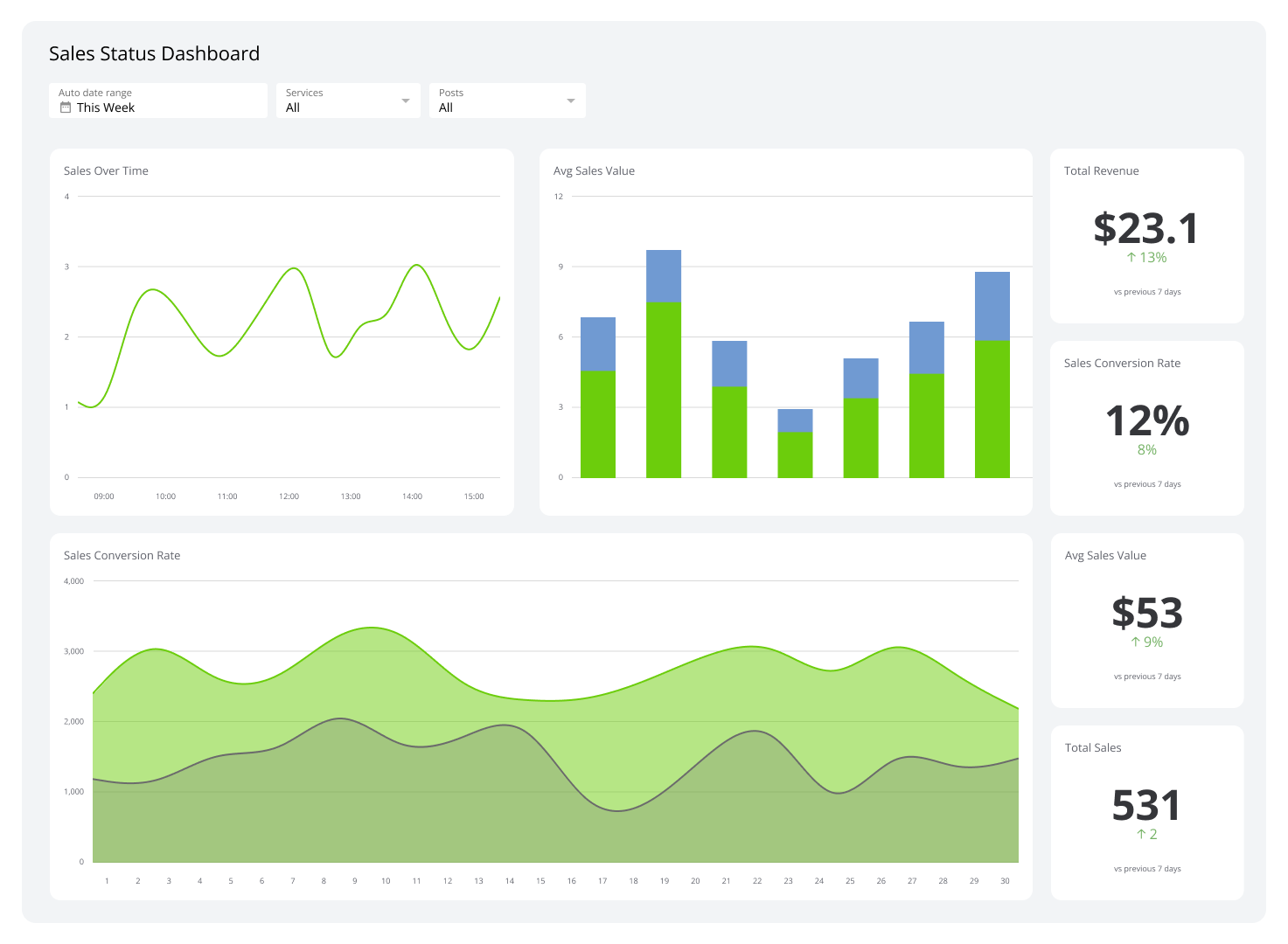
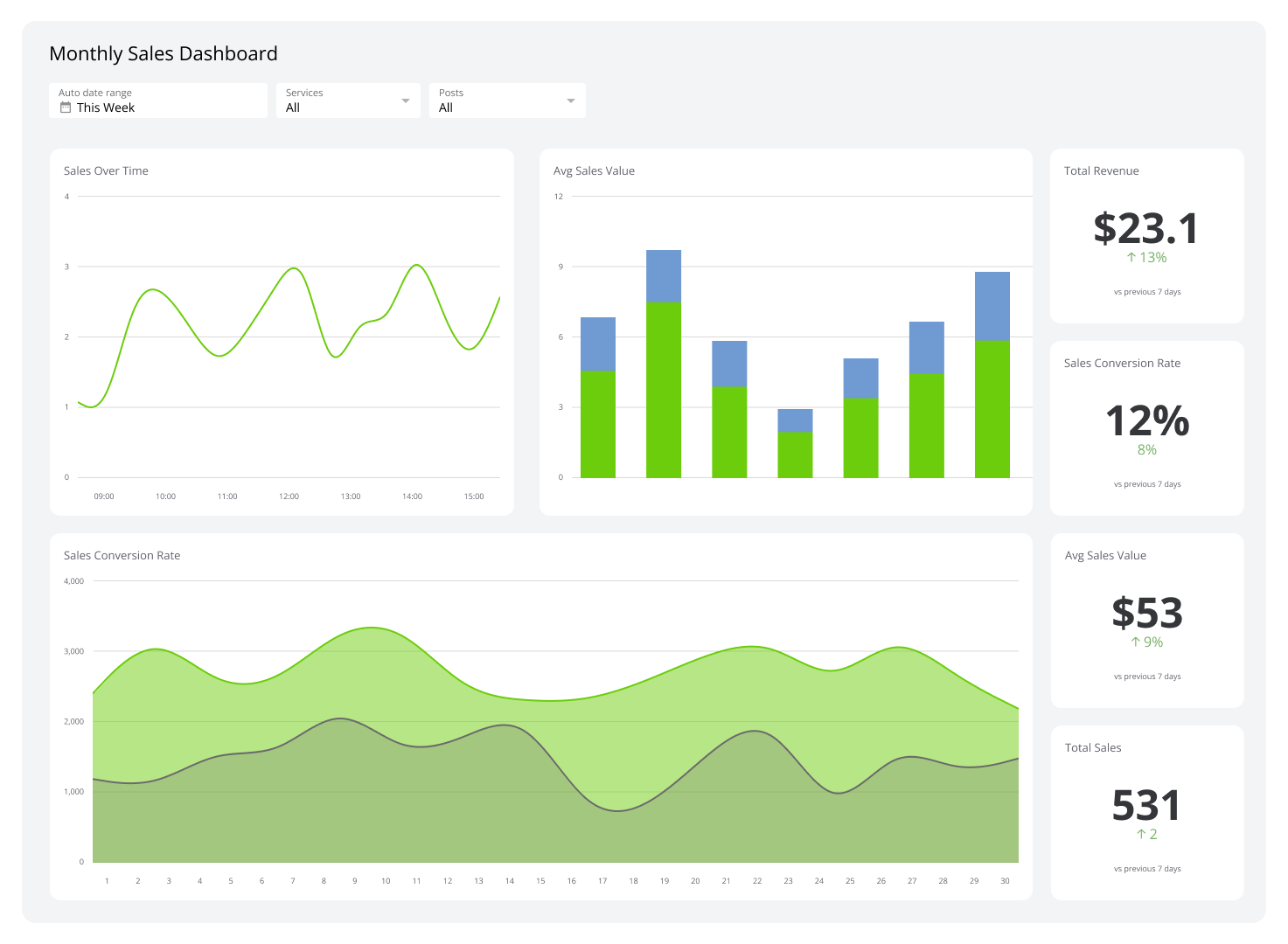
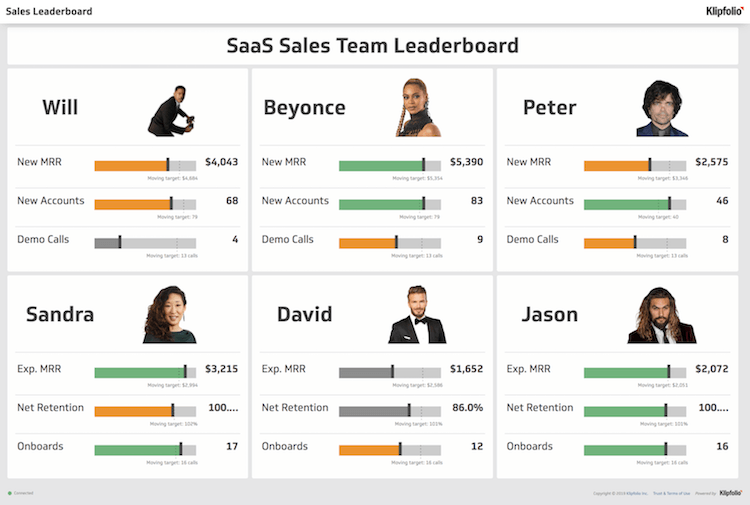
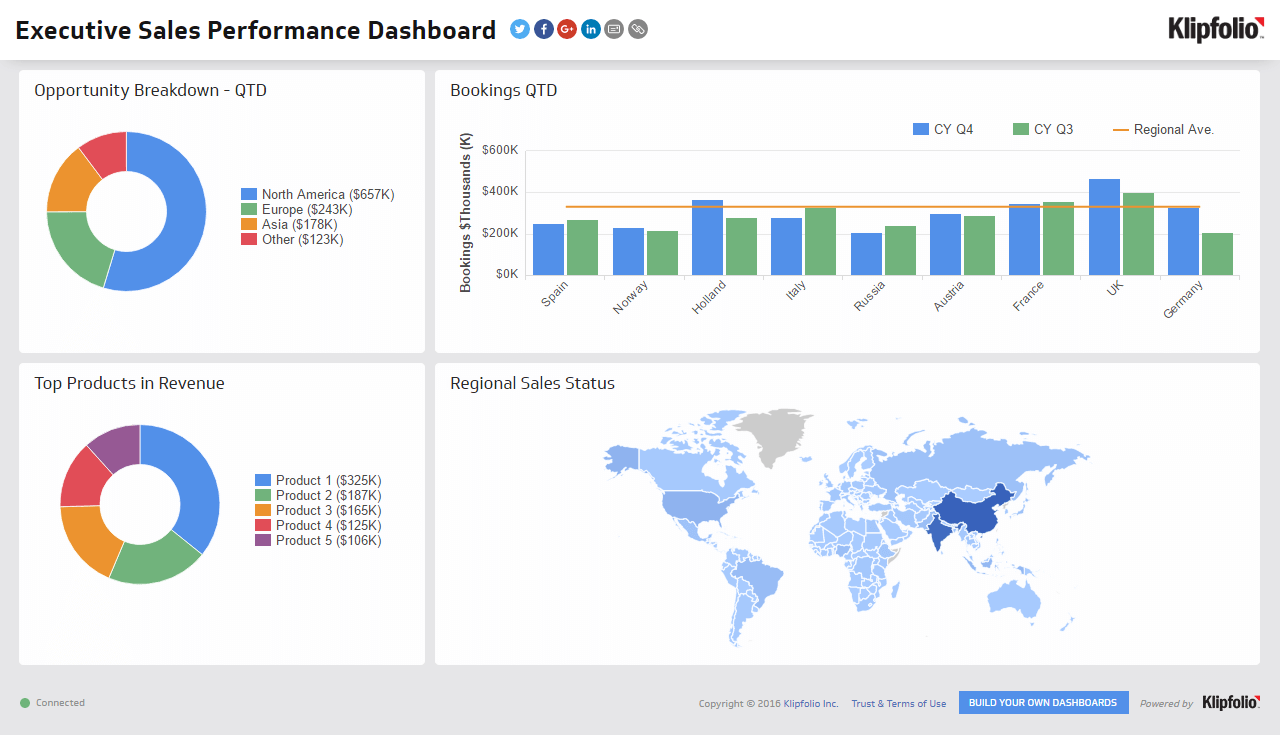
A sales dashboard in Klips can surface all of that in one place, pulling from your CRM and other sources automatically. Instead of waiting for someone to pull a report, you see the numbers as they move. Your team knows where to focus without having to ask.
Create custom dashboards for you and your team.
Get started with KlipsConclusion
Sales Qualified Leads are the clearest signal your pipeline is working. When your team agrees on what qualifies as an SQL and tracks that metric consistently, you stop guessing about which leads are worth pursuing and start making calls with confidence.
The BANT framework gives you a repeatable way to qualify leads. A dashboard gives you a reliable way to track them. Together, they let a lean sales team operate with the clarity of a much larger one.