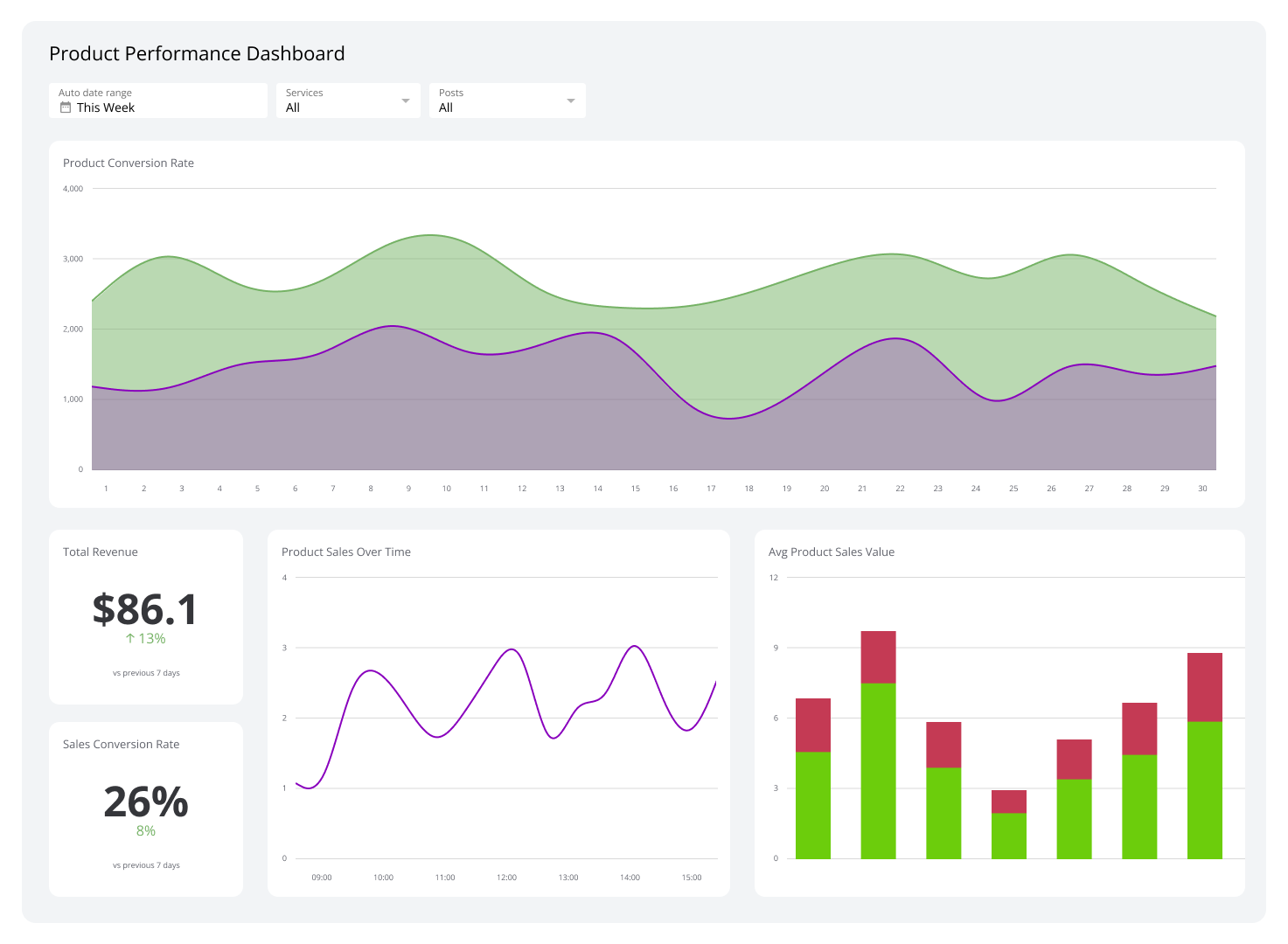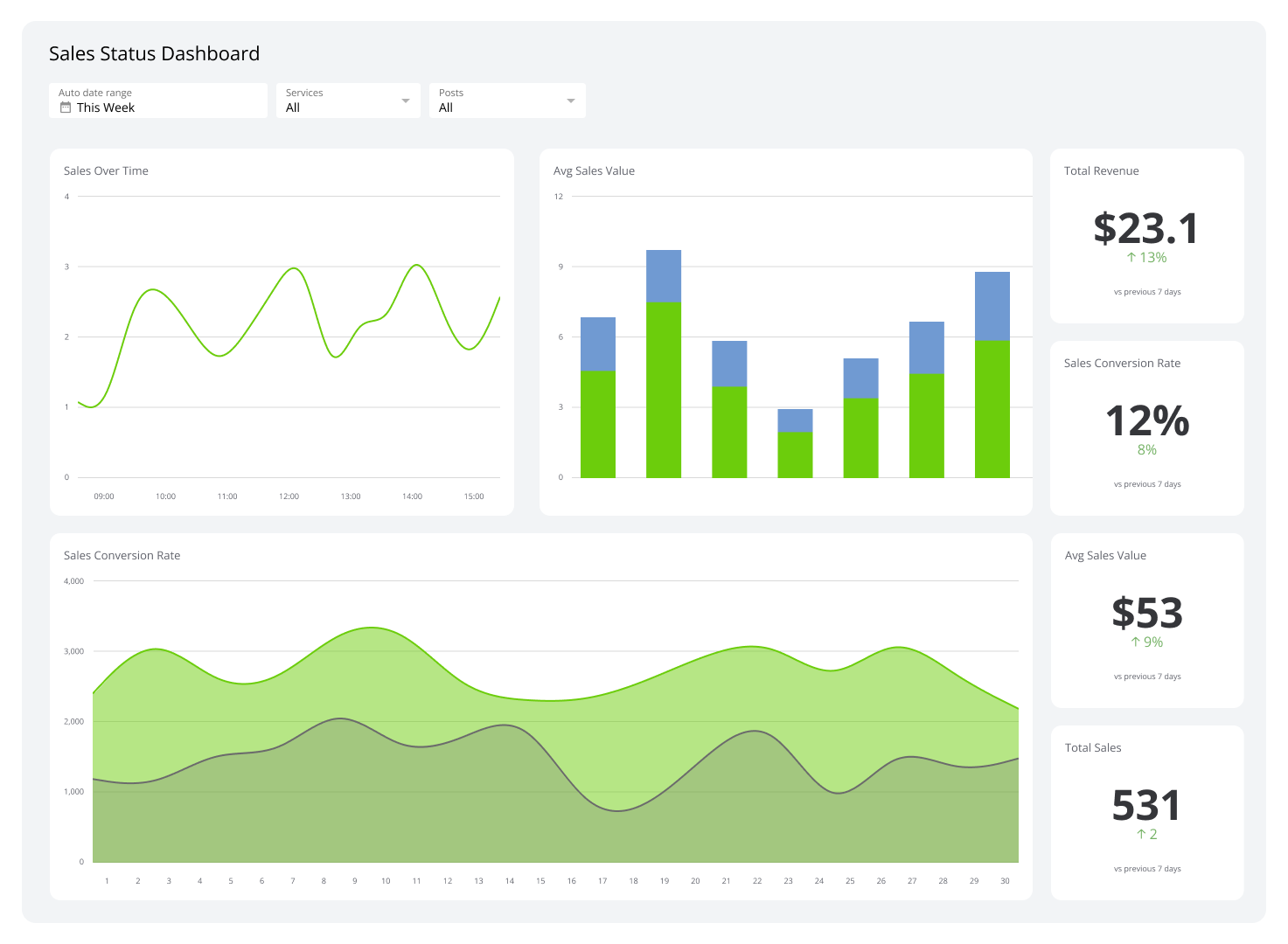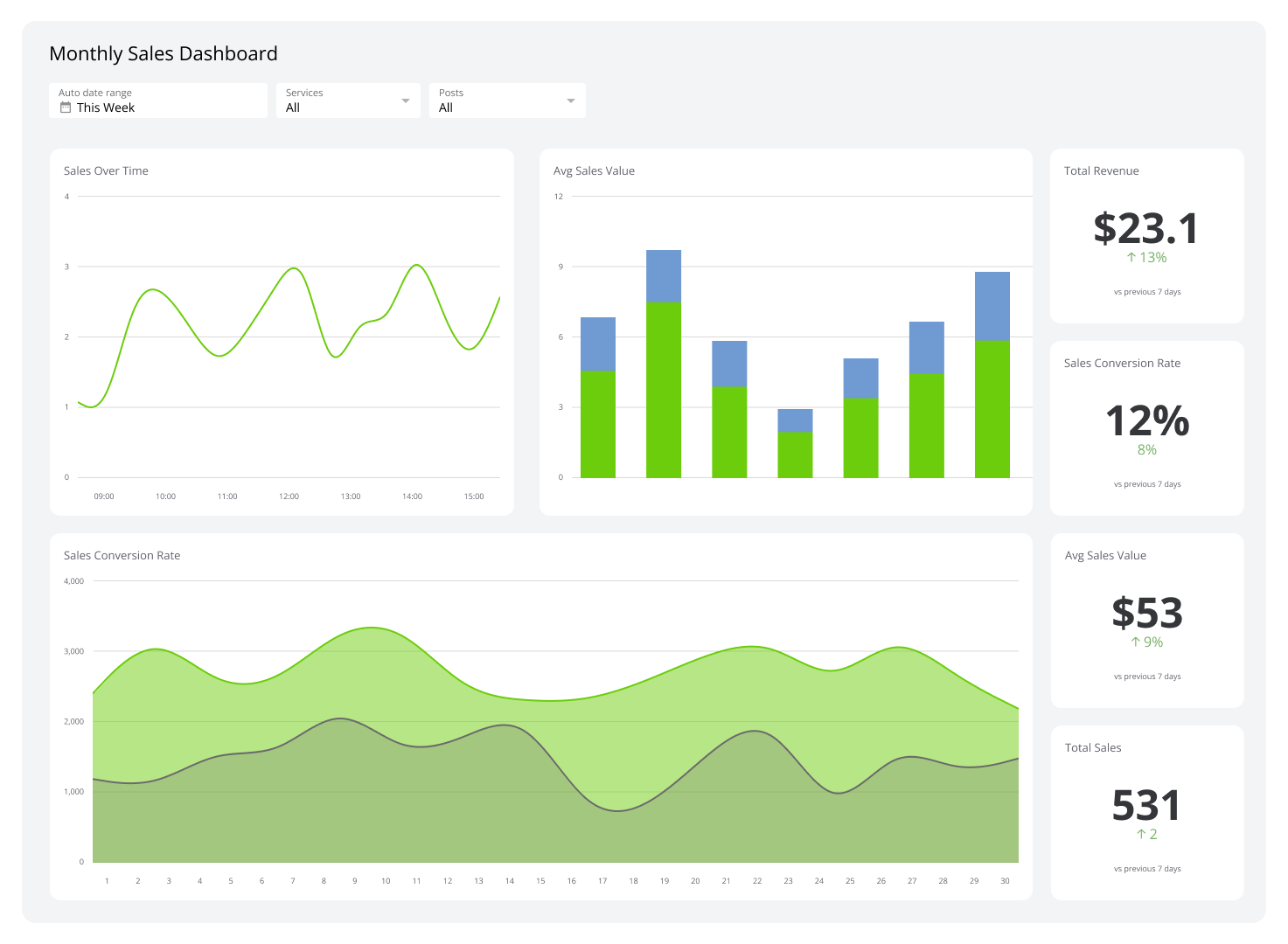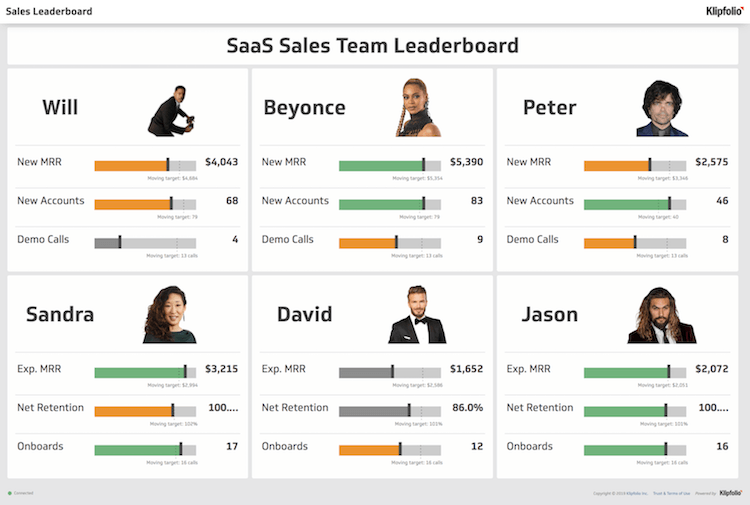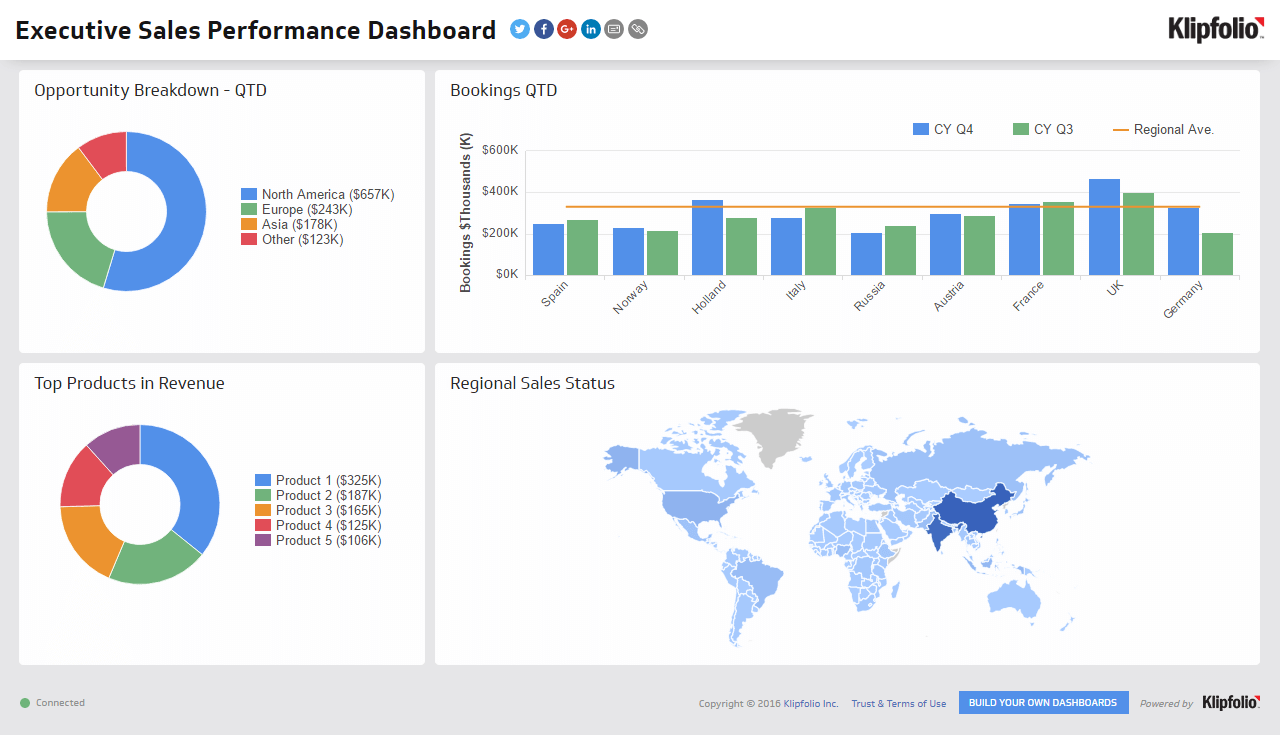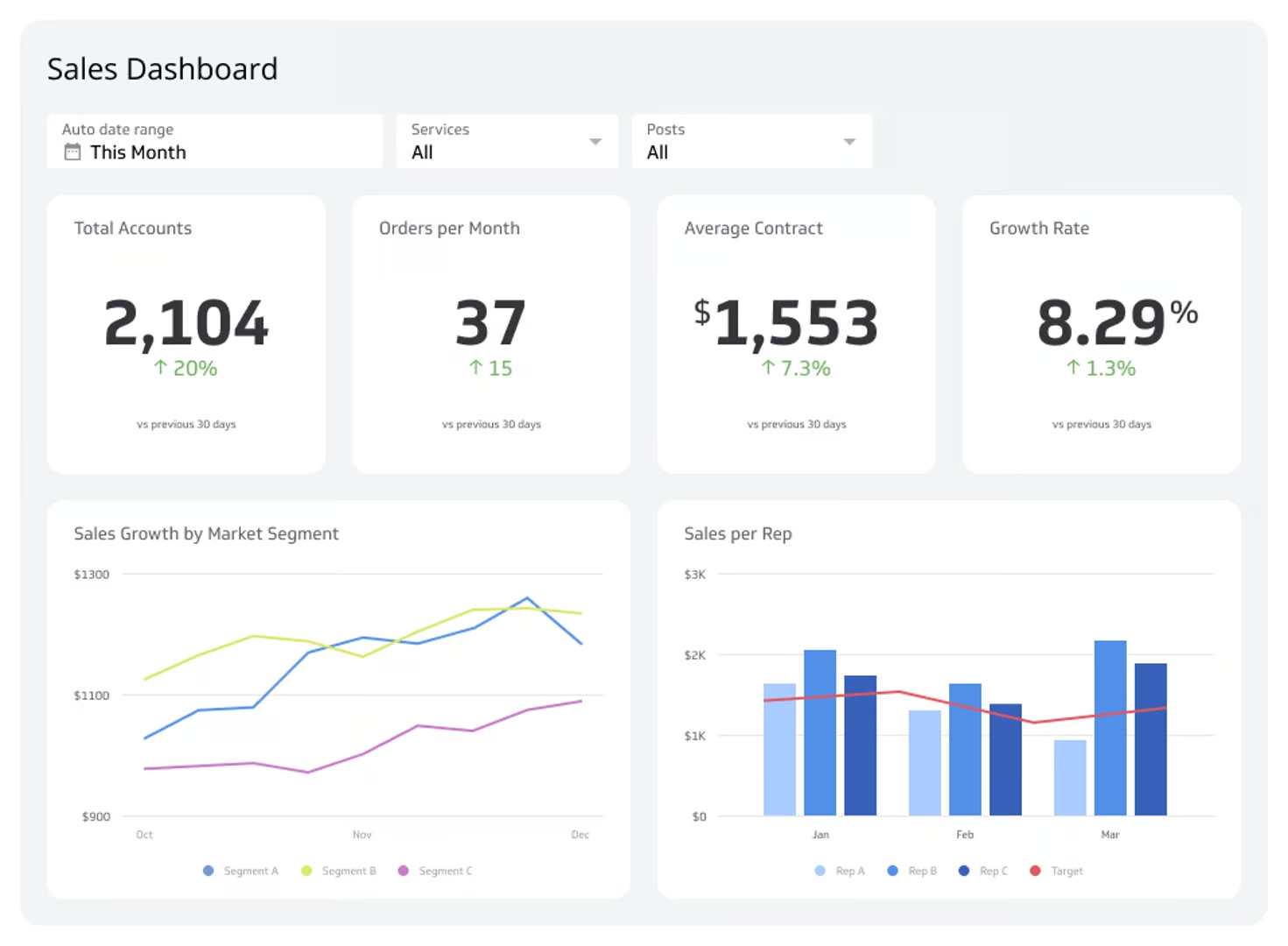
Sales-to-Date
Measure the cumulative value of sales recorded from the start of a defined period up to the current date.
Sales to Date
Sales-to-Date measures the total value of sales recorded from the start of a defined period up to the current date.
What is Sales-to-Date?
Sales-to-Date is the cumulative value of all sales completed from the beginning of a set time period (typically a fiscal year, quarter, or month) through today. Leaders use it to know exactly where revenue stands right now, not at the end of a reporting cycle.
It answers the question every sales leader and executive needs answered without chasing someone for a number: how much have we actually sold so far?
Why Sales-to-Date matters
Waiting until the end of a quarter to assess performance is too late to course-correct. Sales-to-Date gives you a live read on whether you are ahead, behind, or on track against your target. That visibility is what turns a target into something you can actually manage.
A few reasons this metric earns a place on your dashboard:
- Early warning signal: If Sales-to-Date is lagging in the first half of a period, you have time to act. Waiting for a month-end report often means the window to respond has already closed.
- Comparison across periods: Comparing Sales-to-Date figures from the same point last year (or last quarter) strips out the noise and tells you whether the business is genuinely growing.
- Forecast confidence: When you know what you have sold so far, projecting what you will close by period-end becomes far more reliable than guessing from a pipeline alone.
- Team alignment: A shared, real-time number keeps everyone, from the CEO to the sales rep, working from the same picture.
How to calculate Sales-to-Date
The formula is straightforward:
Sales-to-Date = Total value of all sales from the start of the period to the current date
Most businesses track this in currency rather than unit count, though both are valid depending on what you need to manage.
Example: Your annual sales target is $2,400,000. By June 30 (halfway through the year), your Sales-to-Date is $1,050,000. You are running about 12.5% below the pace you need to hit the target. That gap is visible now, not in December.
If you want to see how current performance compares to a prior period, add a second calculation:
Period-over-period change = (Current Sales-to-Date - Prior period Sales-to-Date) / Prior period Sales-to-Date × 100
Reporting frequency and audience
Sales-to-Date is most useful when it updates continuously or on a short cycle. Checking it quarterly is better than not checking it at all, but the real value comes from having a live view.
Recommended reporting frequency: Weekly at minimum; daily or real-time for fast-moving sales teams.
Primary audience:
- CEO and CFO: Revenue pacing against annual targets and board-level commitments.
- VP of Sales / Sales Manager: Team and individual performance against quota; early identification of gaps.
- Sales reps: Personal accountability and momentum tracking.
KPI target example
A realistic Sales-to-Date target depends on your annual goal and how far into the period you are. For a business with a $2,400,000 annual target, a Sales-to-Date target at mid-year would be approximately $1,200,000.
Setting a time-proportional benchmark, and checking it weekly, is what separates teams that course-correct early from those that scramble in Q4.
Variations of this metric
Sales-to-Date appears under several names. The underlying logic is the same:
- Year-to-Date Sales (YTD Sales): Cumulative sales from January 1 to today. The most common framing for annual targets.
- Quarter-to-Date Sales (QTD Sales): Cumulative sales from the start of the current quarter to today.
- Month-to-Date Sales (MTD Sales): Cumulative sales from the first of the month to today.
- Sales Achieved to Date: Same metric, often used in project-based or contract sales environments.
Create custom dashboards for you and your team.
Get started with KlipsHow to track Sales-to-Date effectively
A number sitting in a spreadsheet that someone updates manually is not the same as a number you can trust at any moment. The gap between those two things is where bad decisions happen.
Connecting your sales data to a live dashboard means Sales-to-Date updates automatically as deals close, without anyone needing to compile a report or paste numbers somewhere. Everyone who needs the number sees the same figure at the same time.
Klips connects to your CRM, billing platform, and other data sources so your Sales-to-Date is always current. You set the target, the dashboard tracks the pace, and you spend your time on decisions rather than data collection.