Customer Health Score
Customer Health Score is a composite metric that measures how satisfied, engaged, and likely to stay a customer is, based on behaviour, feedback, and account activity. Tracking it gives you early signals so you can act before problems escalate.
Customer Health Score
Customer Health Score is a composite metric that measures how satisfied, engaged, and likely to stay a customer is, based on behaviour, feedback, and account activity.
Knowing where each customer stands means you can act before problems escalate. Instead of waiting for a cancellation or a support complaint, you see the signal early and respond. That's the real value of tracking Customer Health Score: fewer surprises, better retention, and a clearer picture of which relationships need attention right now.
What is Customer Health Score?
Customer Health Score is a single numeric indicator of a customer's overall relationship with your business. It combines multiple data points, such as product usage, engagement, feedback, and account status, into one score that tells you whether a customer is thriving, at risk, or somewhere in between.
Factors that shape Customer Health Score
Customer Health Score draws on several data sources. Each one captures a different dimension of the customer relationship.
Customer behaviour
How customers use your product tells you a great deal about whether it's working for them. Consistent logins, regular use of core features, and healthy adoption patterns all point to a satisfied customer. Drop-offs in usage, or features that never get touched, are early warning signs worth investigating.
Tracking behaviour over time reveals patterns that surveys alone can't capture. A customer who quietly stops using a feature may not complain, but the data will show it.
Customer feedback
Surveys, reviews, and support interactions all carry signal. When analyzed together, they show where the experience is strong and where it's falling short.
The quality of the feedback depends on the quality of the questions. Well-designed surveys surface specific, actionable information rather than vague sentiment. Pair structured survey data with open-ended feedback and support logs to get a complete picture.
Account health
Billing history, contract renewal dates, and account activity all affect Customer Health Score. A long-standing customer who pays on time and renews consistently is a different risk profile than one with outstanding invoices and a contract coming up for renewal.
Understanding what a "healthy" account looks like for your business lets you spot deviations early and respond with the right level of attention.
Engagement
Engagement with your brand beyond the product itself, including email open rates, event attendance, and community participation, indicates how invested a customer is in the relationship. Declining engagement often precedes churn, even when product usage looks stable.
A customer who attends your webinars, opens your emails, and participates in feedback sessions is signalling that they see long-term value in the relationship.
Tools and resources
Measuring Customer Health Score at scale requires the right infrastructure. Customer success platforms, analytics tools, and feedback software make it possible to aggregate data from multiple sources and track scores automatically.
These tools reduce the manual effort involved in data collection and make it easier to monitor key sales metrics alongside health indicators. Automated tracking means your team spends less time pulling numbers and more time acting on them.
How to measure Customer Health Score
Building a Customer Health Score system involves four steps:
Create a scoring system: Assign numerical values to each metric you're tracking. The weighting should reflect what matters most for your business. A SaaS company might weight feature adoption heavily; a professional services firm might prioritize engagement and feedback scores.
Set benchmarks and goals: Establish what a healthy, at-risk, and critical score looks like. Without benchmarks, the numbers are hard to interpret. Set targets for each metric and revisit them as your customer base evolves.
Analyze and interpret the data: Look for trends across segments, not just individual scores. A cluster of declining scores in one customer cohort may point to a product issue, an onboarding gap, or a change in market conditions.
Monitor and adjust continuously: Customer Health Score is not a one-time calculation. Review your scoring model regularly and update it when your product, customer base, or business priorities shift.
Benefits of measuring Customer Health Score
Improved customer retention
Customer Health Score surfaces at-risk customers before they decide to leave. That window gives your team time to intervene, whether that means a proactive check-in, a tailored offer, or a deeper conversation about unmet needs. Catching problems early is almost always less costly than recovering a churned customer.
Increased customer satisfaction
Tracking health scores helps you identify where the experience is breaking down. Fixing those gaps improves satisfaction across the board, and satisfied customers are far more likely to refer others. That creates a compounding effect: better retention leads to stronger word-of-mouth, which supports acquisition without additional spend.
Deeper understanding of customer needs
Aggregate health data reveals patterns in what customers value and where they struggle. That intelligence feeds product decisions, support priorities, and success strategies. The result is a customer experience that's shaped by evidence, not assumptions.
Proactive issue resolution
Monitoring scores means you're not waiting for customers to raise a problem. You see the early warning signs, a dip in usage, a negative survey response, a billing flag, and you act before the situation escalates. That kind of proactive approach builds trust and reduces churn.
How to improve Customer Health Score
Identify areas for improvement
Start with the data. Support tickets, survey responses, usage logs, and engagement metrics will point to where customers are struggling. Low adoption of a specific feature, for example, might indicate a usability problem or a gap in onboarding rather than a lack of interest.
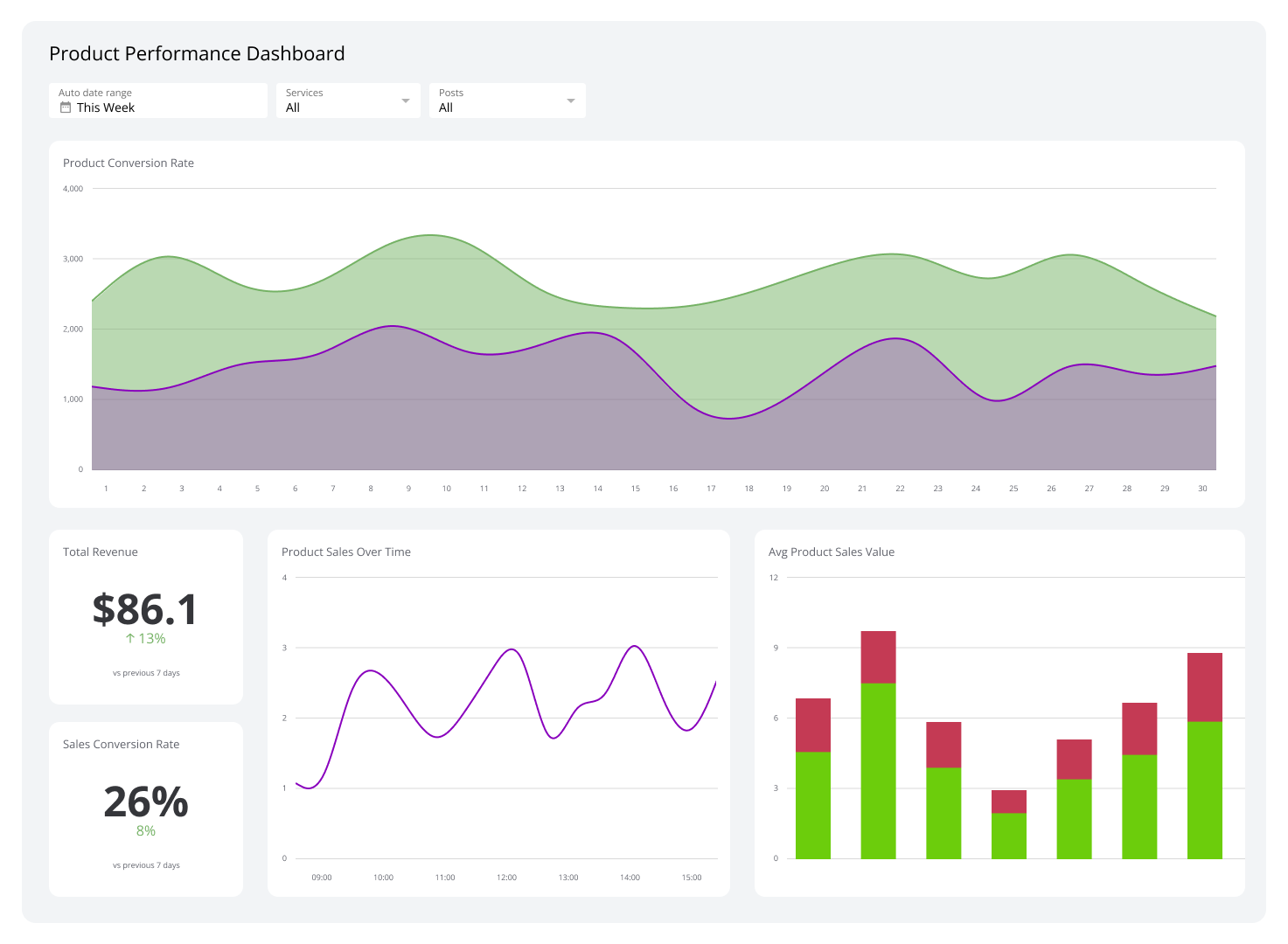
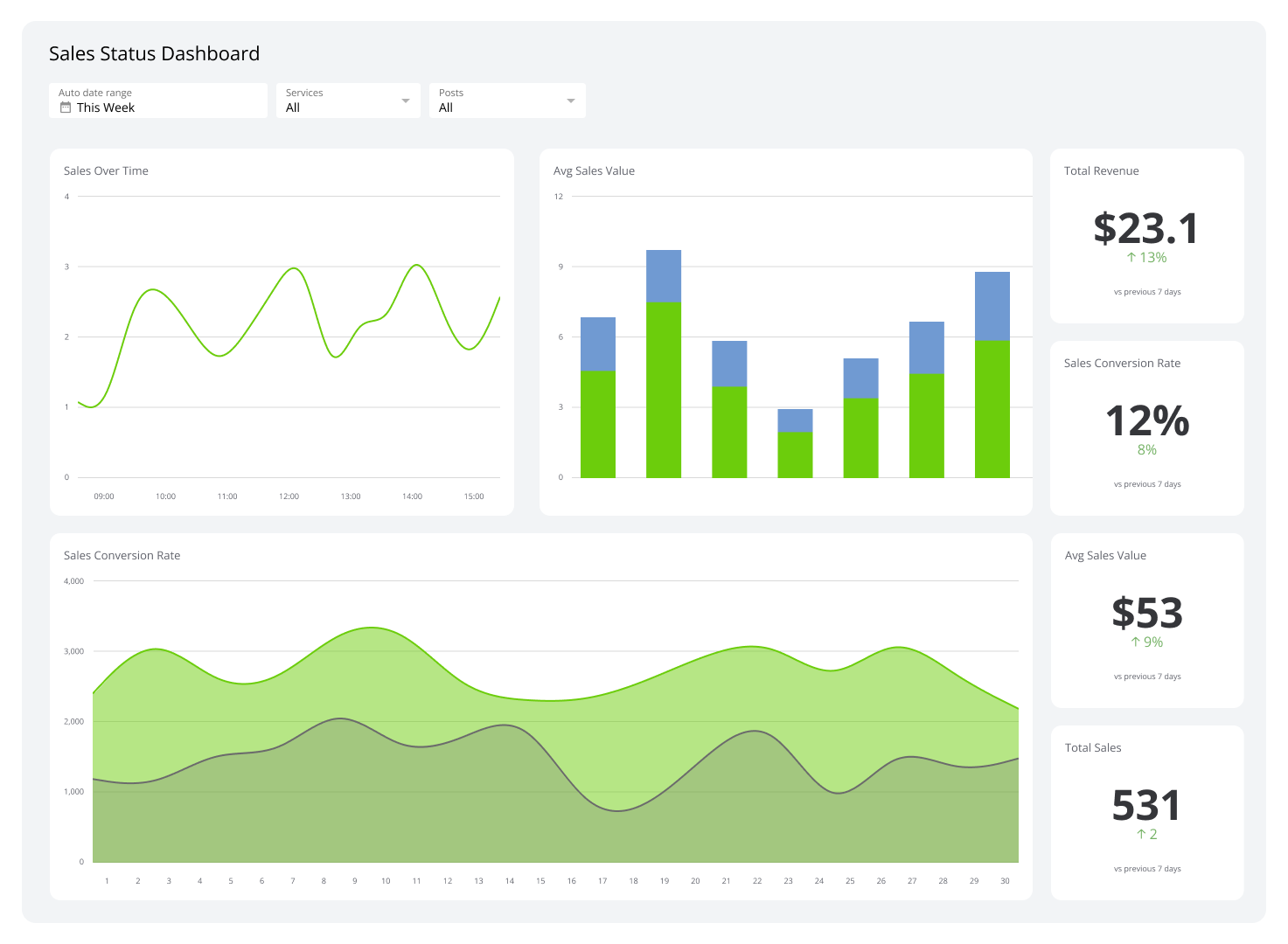
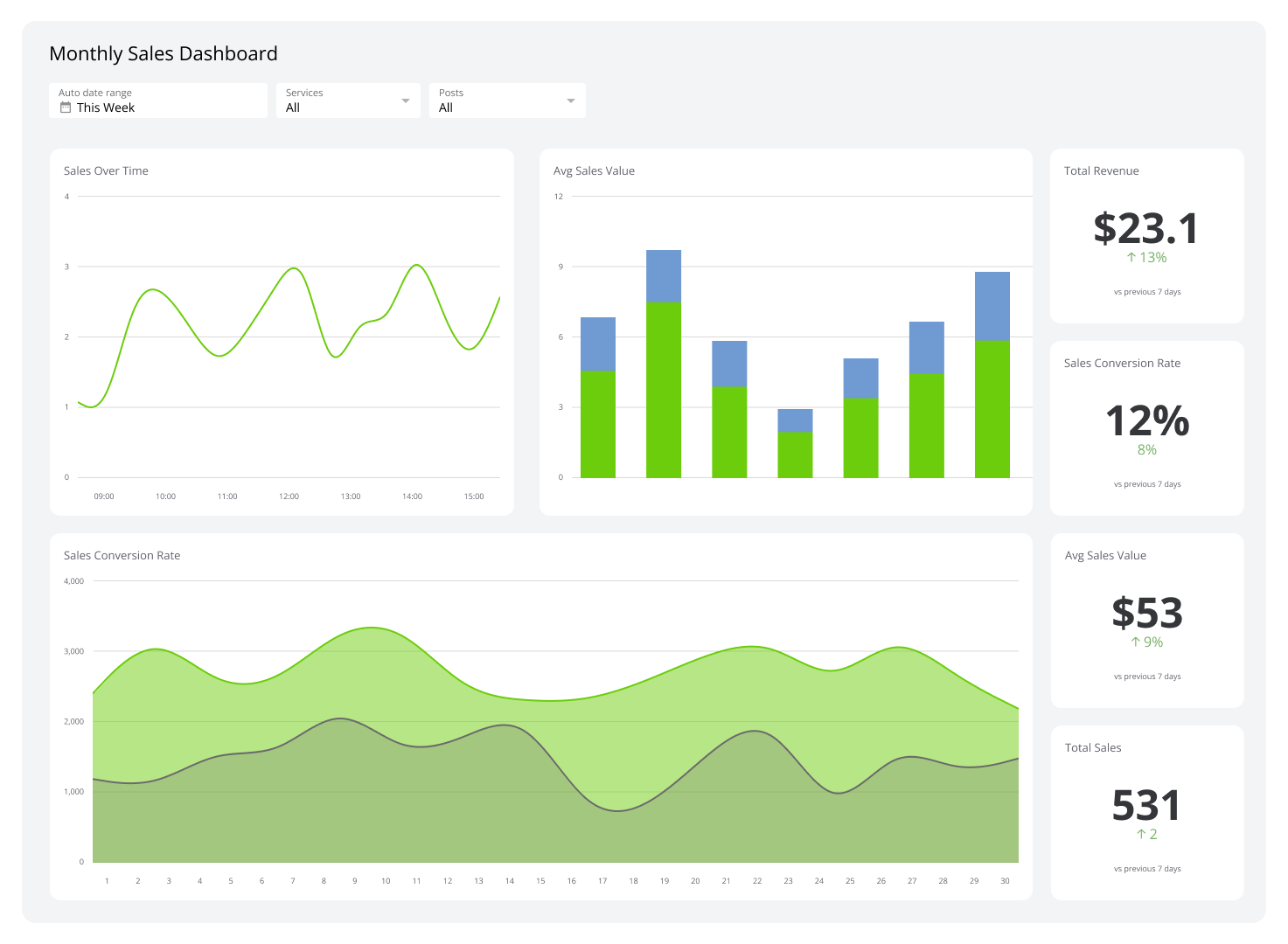
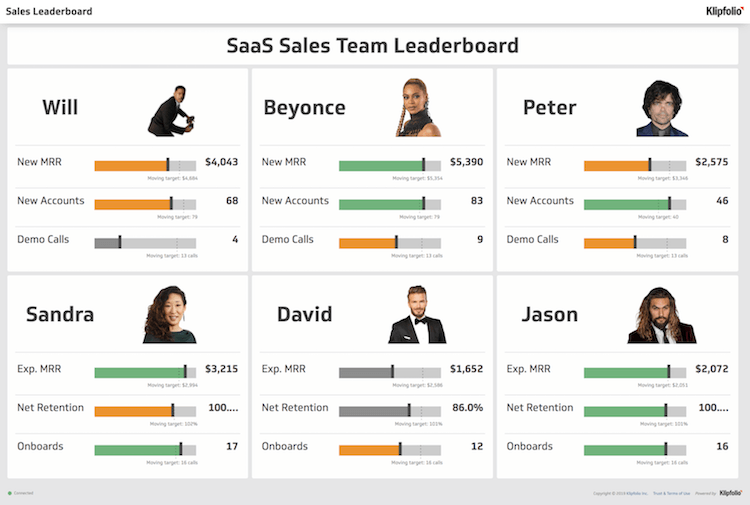
Create custom dashboards for you and your team.
Get started with KlipsBuild an action plan
Once you've identified the gaps, create a plan with specific goals, clear ownership, and a realistic timeline. Some improvements will be quick, such as updating documentation or adding a check-in touchpoint. Others may require additional resources or product changes. Prioritize based on impact and feasibility.
Personalize customer interactions
Generic outreach rarely moves the needle. Use what you know about each customer, their usage patterns, their goals, their history with your team, to make every interaction relevant. Personalized recommendations, targeted check-ins, and context-aware support all signal that you're paying attention. That feeling of being understood is one of the strongest drivers of loyalty.
Act on customer feedback
Collecting feedback is only useful if you close the loop. When customers flag an issue or suggest an improvement, acknowledge it and follow through where you can. Customers who see their feedback reflected in your product or process become advocates. Those who feel ignored become churned customers.
Examples of Customer Health Score in practice
SaaS onboarding improvement
A SaaS company noticed that new customers were struggling to get value from the platform in the first 30 days, a pattern that correlated with higher churn at the 90-day mark. They redesigned onboarding to include personalized guidance based on each customer's stated goals. Adoption rates improved, early health scores rose, and churn in that cohort dropped.
Retail feedback program
A retail chain with low satisfaction scores and high churn implemented a structured feedback program across multiple customer touchpoints. By acting on what customers reported, they addressed the specific friction points driving dissatisfaction. Satisfaction scores improved, churn declined, and Customer Health Scores across the base trended upward.
Proactive customer success (HubSpot)
HubSpot uses Customer Health Scores to identify customers showing early signs of disengagement. By analyzing product usage, support interactions, and engagement data together, their customer success team can intervene before dissatisfaction becomes a decision to leave. The result is higher retention and a more consistent customer experience.
Host and guest satisfaction (Airbnb)
Airbnb tracks health indicators for both hosts and guests, including ratings, reviews, and booking frequency. These signals feed into a broader understanding of relationship quality across the platform. When scores dip, Airbnb can investigate and address the underlying issue before it affects the broader experience.
Challenges in measuring Customer Health Score
Identifying the right metrics
There's no universal formula. The metrics that matter most depend on your business model, your product, and what success looks like for your customers. Choosing the wrong metrics, or tracking too many at once, can produce scores that don't reflect reality.
Weighing and scoring metrics
Once you've chosen your metrics, assigning weights is a judgment call. A metric that's critical for one customer segment may be less relevant for another. Getting the weighting right takes iteration, and it should be revisited as your understanding of your customer base deepens.
Limited data availability
Not every signal is easy to capture. Integrating data from disparate systems, CRM, product analytics, billing, support, takes technical effort. Gaps in data lead to incomplete scores, which can create blind spots in your view of customer health.
Establishing meaningful benchmarks
Without historical data, it's hard to know what "healthy" looks like. Early benchmarks will be imperfect. The key is to start, track over time, and refine your definitions as you accumulate evidence.
Inherent limitations
Customer Health Score captures what's measurable. It won't reflect every factor that influences a customer's decision, including external pressures, organizational changes, or shifts in their market. Treat it as a strong signal, not a complete picture. Supplement scores with qualitative conversations and direct customer feedback.
Measuring the impact of interventions
It's often difficult to draw a straight line between a specific action and a change in Customer Health Score. Multiple factors influence the score simultaneously. Tracking interventions carefully and comparing outcomes across similar customer segments helps build a clearer picture over time.
What's next for Customer Health Score
AI and machine learning are making it possible to analyze customer data at a scale and speed that wasn't practical before. Predictive models can flag at-risk customers earlier, identify patterns across large customer bases, and surface insights that manual analysis would miss.
The broader shift is from reactive to proactive customer success. Rather than checking in when a score drops, the goal is a system that surfaces what matters without waiting to be asked. The most useful version of Customer Health Score doesn't require someone to go looking; it tells the right person at the right time.
Data privacy remains an important consideration as more customer signals are collected and analyzed. Customers are increasingly aware of how their data is used. Transparent data practices and clear communication about what you collect and why are essential to maintaining trust alongside the score itself.
Tracking Customer Health Score gives you something more valuable than a dashboard metric: it gives you confidence in where your customer relationships actually stand. When the numbers are reliable and consistently monitored, your team can act on what they know rather than guessing. That's the difference between managing churn reactively and building a customer base that grows because you kept the customers you earned.
Klips makes it straightforward to bring your customer health data into a single dashboard, so the right people see the right signals without having to pull a report. When everyone on your team is looking at the same numbers in real time, the decisions get easier.