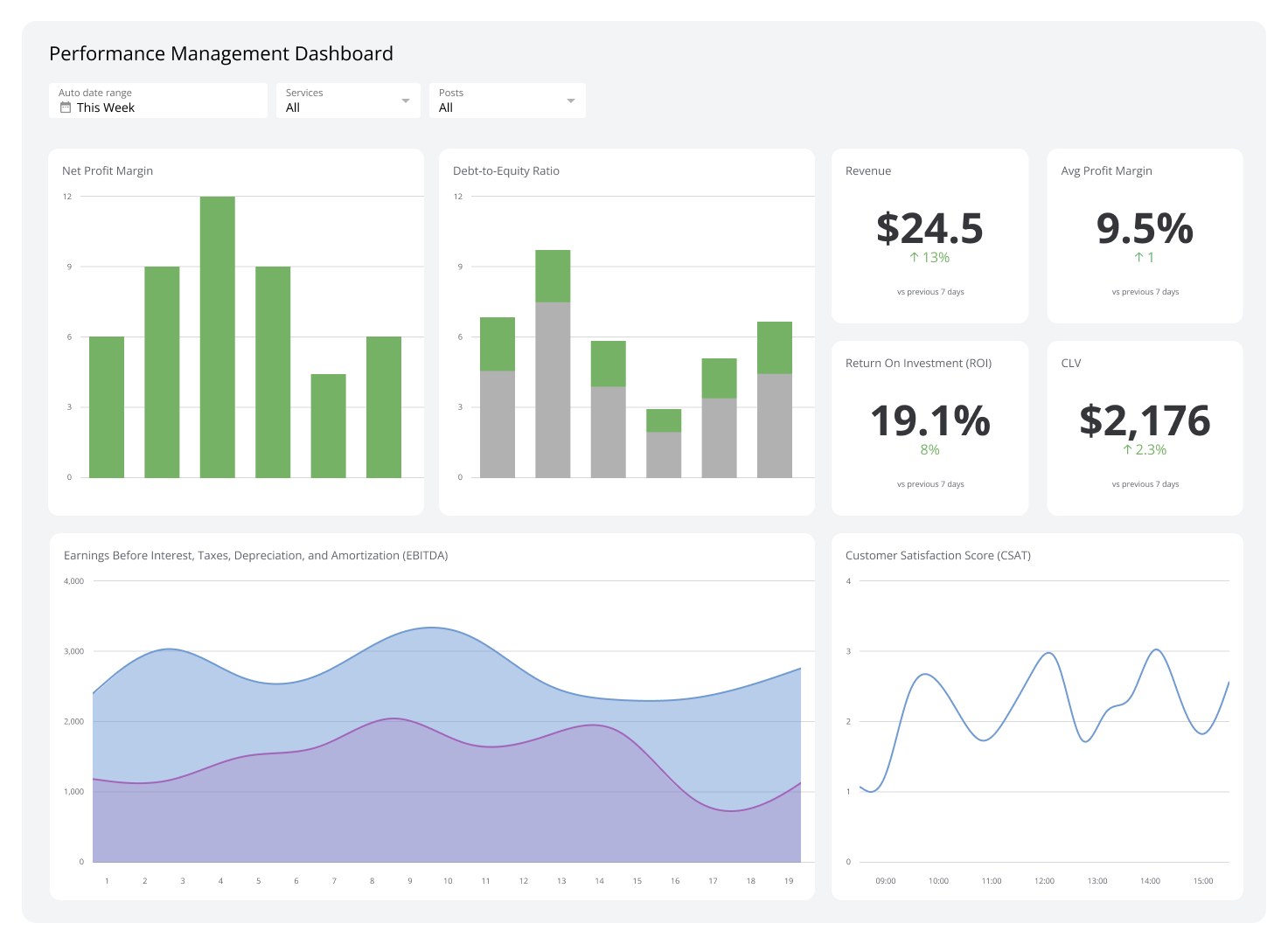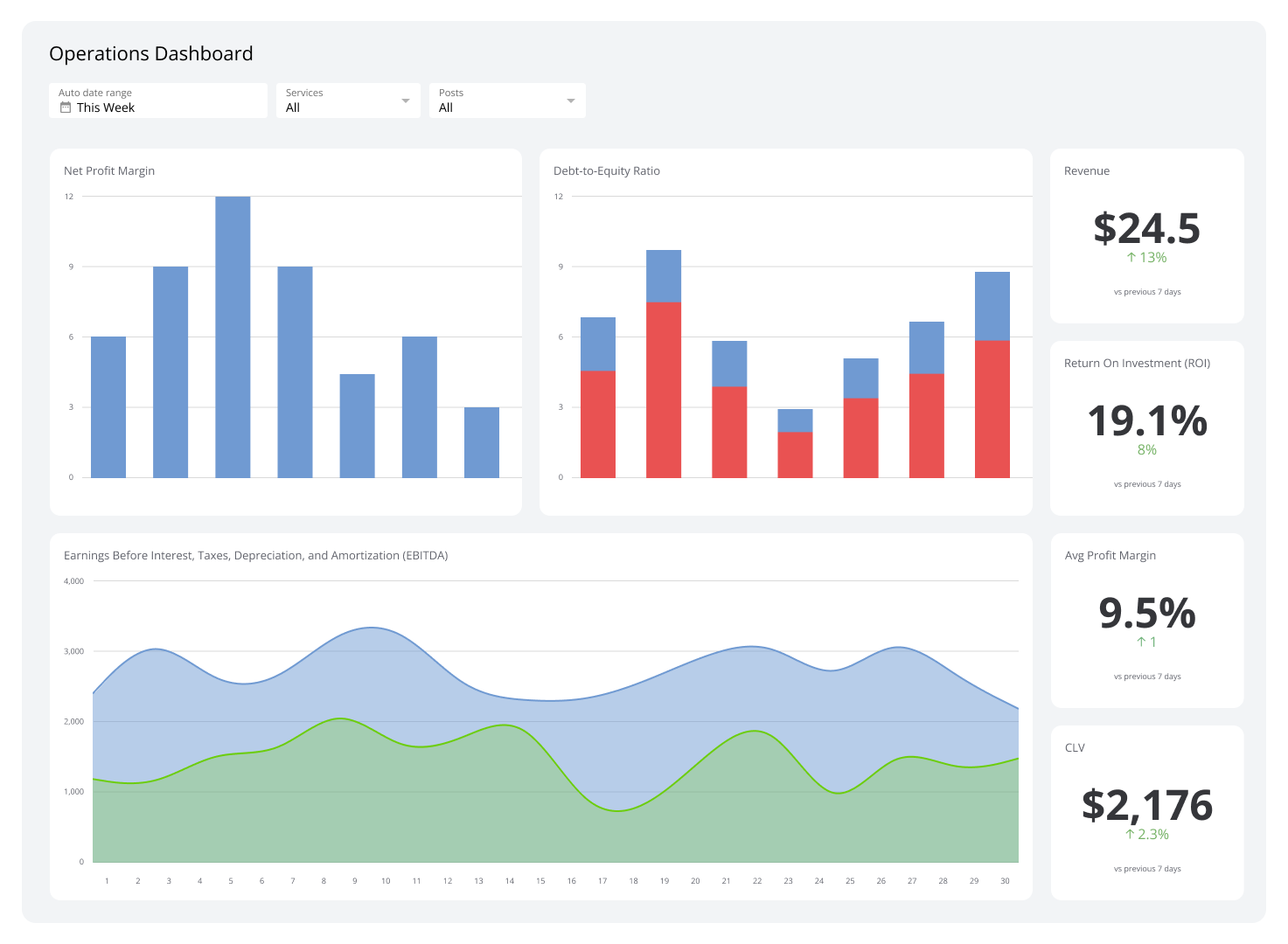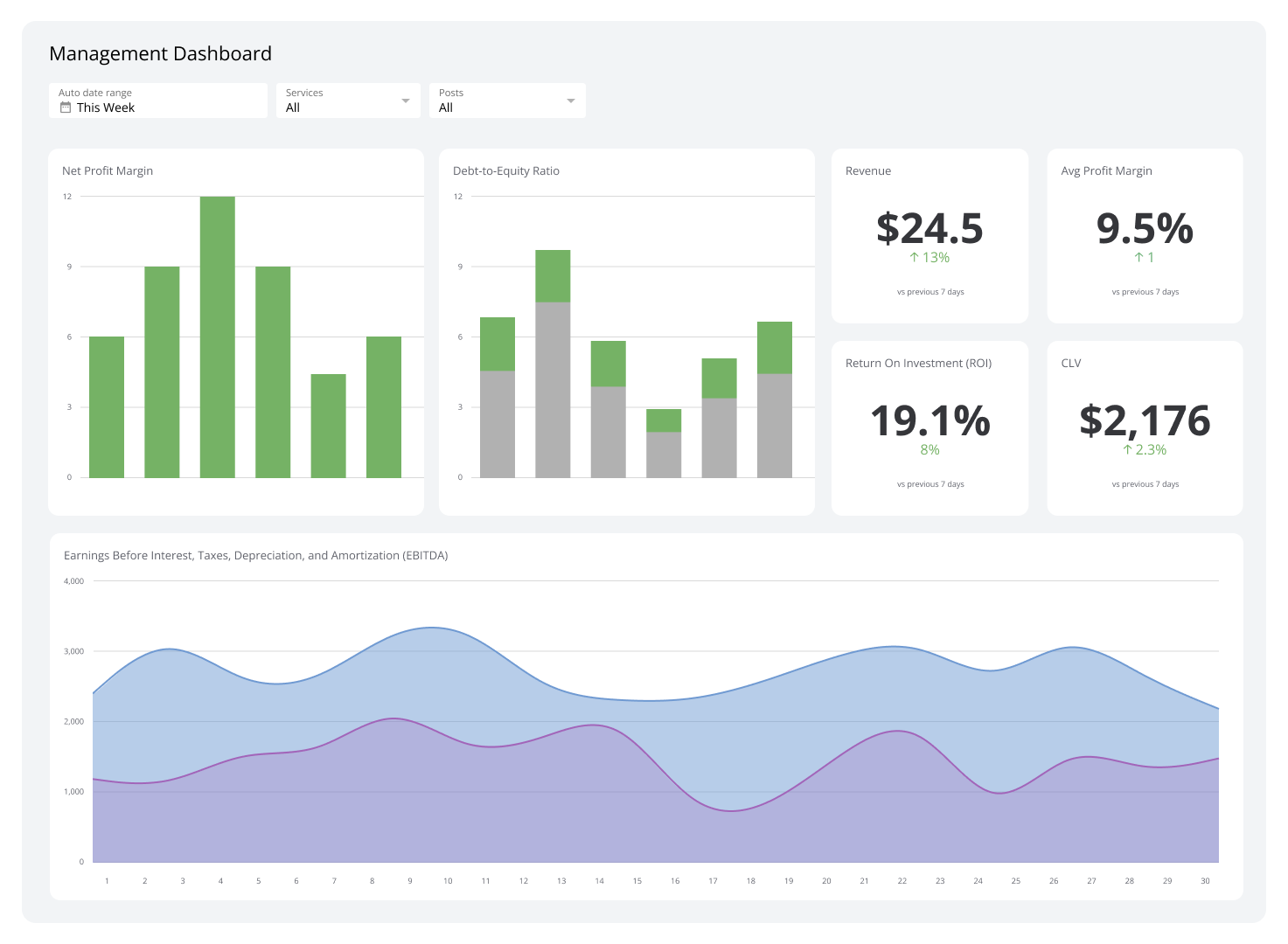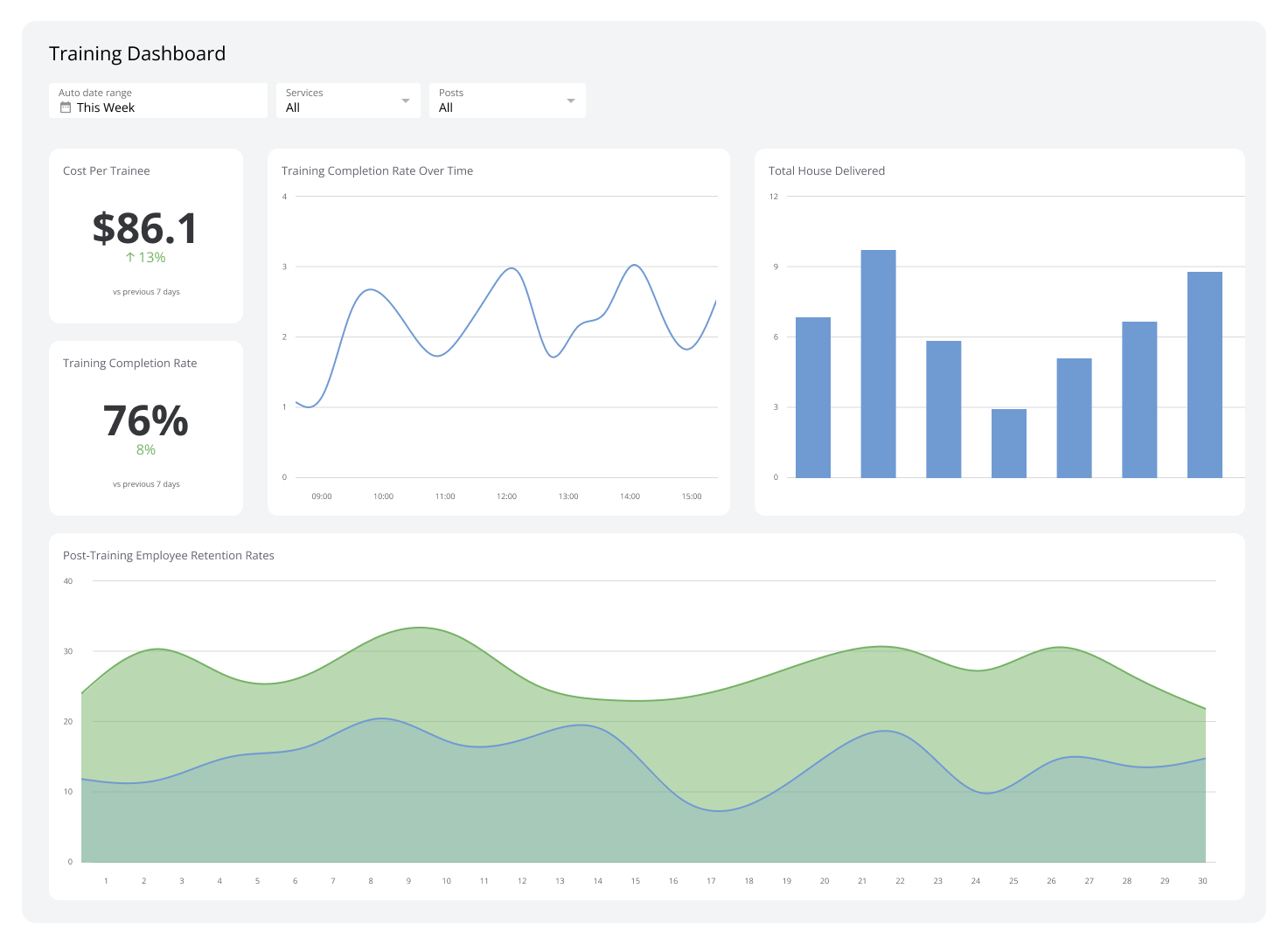
Employee Engagement Dashboard
Understand your team's morale and build a better workplace with data.
What is an Employee Engagement Dashboard?
An Employee Engagement Dashboard gives HR leaders, managers, and executives a clear, data-driven picture of how employees feel about their work and the company.
Low employee engagement is a costly problem. When employees are disengaged, productivity drops and replacing talent becomes a major expense. The right dashboard moves you from guesswork to confident action, because the numbers are already there when you need them.
Why an Employee Engagement Dashboard matters
If your HR data is scattered across different systems and spreadsheets, it's nearly impossible to see the big picture. An Employee Engagement Dashboard brings all that data together, giving everyone a single source of truth without anyone having to chase it down.
Here's how it helps you build a better workplace:
- Spot trends early: Monitor changes in employee satisfaction or morale in real time, so you can address issues before they become widespread problems.
- Make data-driven HR decisions: Use concrete data, not just anecdotes, to inform decisions about company culture, benefits, and management training.
- Improve employee retention: Understand the root causes of turnover by identifying patterns among departing employees and taking proactive steps to improve their experience.
- Boost team productivity: Engaged employees are more motivated and productive. A dashboard helps you see which teams are thriving and apply those lessons across the company.
Who benefits most from an Employee Engagement Dashboard?
These dashboards are particularly valuable for leaders in growing businesses who wear multiple hats. When you're accountable for both strategy and execution, having clear data is critical.
- HR managers: Track key HR KPIs like Employee Turnover Rate and Absenteeism Rate to measure organizational health and the impact of new initiatives.
- Team leaders: Get a pulse on your team's morale and workload. Use the data to have more meaningful one-on-one conversations and provide targeted support.
- Executives: See a high-level overview of company culture and organizational health, helping you make strategic decisions about workforce planning and long-term growth.
Key metrics for your Employee Engagement Dashboard
An effective dashboard focuses on the metrics that matter most. While every company is different, here are a few essential KPIs to start with:
- Employee Net Promoter Score (eNPS): Measures how likely your employees are to recommend your company as a great place to work.
- Employee Turnover Rate: Tracks the percentage of employees who leave the company over a specific period.
- Absenteeism Rate: Monitors the rate of unplanned absences, which can be an early indicator of burnout or low morale.
- Employee Satisfaction Index (ESI): Gauges how satisfied employees are with their specific role and the workplace in general.
Why use a dashboard to track employee engagement
An HR dashboard focused on employee engagement is a critical tool for maintaining a healthy and productive workplace. By centralizing key HR data, you move beyond guesswork and make informed decisions that benefit your team and your bottom line.
Get accurate insights into the state of your workforce
Highly engaged employees are 14% more productive and 81% less likely to be absent from work. But to foster that engagement, you first need to understand how your team is feeling.
An Employee Engagement Dashboard gives you a real-time view of whether your team is happy, motivated, and committed, without having to wait for someone to pull a report or paste numbers into a spreadsheet. With Klipfolio Klips, you can connect all of your HR data sources in one place. Klips integrates with HR management systems, data warehouses, project management tools, and more, so you can consolidate all relevant information and visualize it for a clear, comprehensive view of your workforce.
Measure the impact of initiatives
When you introduce new programs or policies, you need to know if they are making a difference. An engagement dashboard lets you measure the direct impact of these initiatives.
If you launch a new wellness program, your dashboard tracks metrics like Absenteeism Rate and Employee Satisfaction scores to show whether the initiative is working. This data-driven feedback loop helps you see what to keep, what to cut, and where to put resources next.
Predict employee turnover
High turnover is disruptive and expensive, creating costs for recruitment, training, and lost productivity. By monitoring engagement trends, you can identify early warning signs that employees might be planning to leave, such as declining satisfaction scores or participation rates.
If your dashboard shows a sudden drop in engagement within a specific department, HR can investigate the root cause and intervene early. This proactive approach helps you address issues before they lead to resignations, rather than figuring it out after the fact.
4 important metrics for your engagement dashboard
An effective engagement dashboard tracks specific KPIs that give you a reliable read on your workforce's sentiment. Here are the essential metrics to monitor.
- Employee Turnover Rate: Tracks the rate at which employees leave the company.
- Attrition Rate: Focuses specifically on employees who leave voluntarily.
- Retention Rate: Measures the percentage of employees who remain with the company over time.
- Turnover Cost Per Person: Calculates the financial impact of replacing an employee.
Employee Turnover Rate
Your Employee Turnover Rate is a key indicator of underlying issues with job satisfaction, company culture, or workload. Monitoring this metric helps you take targeted action to improve retention and create a more stable work environment, such as launching programs to boost morale or refining how tasks are delegated.
Create custom dashboards for you and your team.
Get started with KlipsAttrition Rate
While turnover includes all departures, the Attrition Rate focuses only on voluntary resignations. A high Attrition Rate is a strong signal of systemic problems like poor management, a toxic culture, or a lack of career growth opportunities. Tracking this metric on your dashboard lets you pinpoint specific areas that need improvement to retain your top talent.
Retention Rate
Retention Rate is the inverse of turnover and attrition, showing the percentage of employees who choose to stay with your company over a given period. By keeping a close watch on retention metrics, you can identify which engagement strategies are most successful and double down on what works to build a loyal and committed workforce.
Turnover Cost Per Person
Employee turnover is expensive. The total cost includes recruiting, advertising, training, and onboarding a replacement, as well as the loss of productivity during the transition. Tracking Turnover Cost Per Person highlights the direct financial drain of turnover on your company's resources and makes the business case for investing in engagement initiatives.
How to use your dashboard to improve employee engagement
Your dashboard is more than a reporting tool. It's a strategic asset for improving your engagement initiatives and taking a proactive approach to boosting organizational health.
Analyse data to identify areas for improvement
One of the primary benefits of a dashboard is its ability to highlight areas where teams are struggling with engagement. This clarity is crucial for getting managers and executives on the same page, and it gives you the data you need to act, not just observe.
Develop strategies based on dashboard insights
The data on your engagement dashboard tells a story about your employees' experiences. Use these insights to develop targeted strategies that address specific challenges and opportunities.
If the data reveals consistently low scores on employee satisfaction surveys, consider implementing new wellness programs or enhancing professional development opportunities. This approach ensures your actions directly address your employees' most pressing needs, rather than relying on instinct or anecdote.
Predict trends for proactive engagement management
Beyond showing historical performance, a well-designed Employee Engagement Dashboard helps you identify patterns and forecast future issues.
If your dashboard reveals a gradual increase in voluntary attrition over several quarters, you can investigate and address potential causes, such as workload creep or a lack of growth opportunities. By tackling these issues early, you prevent further talent loss rather than reacting after key people have already left.
Challenges in using employee engagement dashboards
An Employee Engagement Dashboard is only as good as the data and processes behind it. Data accuracy, employee participation, and handling qualitative feedback are three common challenges you might face.
Data accuracy
Inaccurate data can mislead managers, leading to poor decisions that may harm employee morale rather than help it. To maintain data accuracy, regularly audit your data sources and implement automated data validation to catch errors early. Ensure that metrics are calculated consistently across all systems to create a single source of truth for your engagement reporting.
Employee participation
Low participation in surveys and feedback requests can skew the data on your engagement dashboard. If only a small, unrepresentative portion of your workforce responds, the data won't reflect overall sentiment accurately. Encourage higher participation by clearly communicating the purpose of the feedback, guaranteeing anonymity to foster honest responses, and demonstrating that employee input leads to tangible changes.
Qualitative data
Dashboards are excellent for displaying quantitative data but can struggle to capture the nuance of qualitative feedback, such as employee sentiments and open-ended comments. Relying only on numbers can result in a superficial understanding of the root causes behind engagement issues.
Complement your dashboard with qualitative data gathered from interviews, focus groups, or open-ended survey questions. Analyse this feedback for common themes and visualize it using word clouds or sentiment trend charts. This mixed-method approach provides the context needed to understand the story behind the numbers.
Create custom dashboards for you and your team.
Get started with KlipsBuild a better workplace with Klipfolio
An Employee Engagement Dashboard helps you listen to your team, address their needs, and enhance job satisfaction, so you can retain top talent and build a stronger business. With Klipfolio Klips, you get reliable, consistent numbers, always current, always in one place, without anyone having to go looking for them.
Build your employee engagement dashboard with Klipfolio Klips and start developing targeted strategies to foster a positive and productive work environment.