Interactions Routed Properly
Measure the percentage of calls forwarded to the right channel and agent on the first attempt.
Interactions Routed Properly
Overview
Not all customer interactions can be resolved on the spot. Many calls and messages need to reach the right agent or department before anything useful can happen. Interactions Routed Properly measures the percentage of customer interactions correctly forwarded to the appropriate team, channel, or specialist on the first attempt.
A high routing accuracy rate means fewer transfers, shorter wait times, and customers who feel like someone is actually ready to help them. When routing breaks down, customers repeat themselves, wait longer, and lose confidence in your operation before an agent even picks up.
Why this metric matters
Routing accuracy shapes the customer experience before a single word is spoken. When an interaction lands in the wrong queue, the damage is already done: the customer has waited, been transferred, and had to start over.
Tracking Interactions Routed Properly gives you visibility into where that breakdown happens, so you can fix it before it compounds:
- Customer satisfaction: Customers who reach the right agent quickly feel heard. Those who don't remember the frustration longer than they remember the resolution.
- Operational efficiency: Misrouted calls create repeat transfers, extra after-call work, and idle agents waiting on calls they aren't equipped to handle.
- Agent confidence: Agents spend their time on problems they're trained to solve, not fielding calls that should have gone somewhere else.
Without this number, routing gaps stay invisible until they show up in your CSAT scores or abandoned call rate.
Formula
Interactions Routed Properly (%) = (Calls routed correctly / Total calls handled) × 100
Example: If 950 out of 1,000 calls reached the correct agent or department on the first attempt, your routing accuracy is 95%.
How to calculate it
Most call center platforms (such as Avaya, Genesys, or Five9) log routing data automatically. You can also pull this from your call recording or workforce management system.
- Count correctly routed interactions: Track interactions that reached their intended destination on the first attempt, without a secondary transfer.
- Count total interactions handled: Include all inbound calls, chats, emails, and other interactions your team processes.
- Apply the formula: Divide correctly routed interactions by total interactions handled, then multiply by 100.
Reporting frequency
Weekly or daily, depending on call volume and routing complexity. High-volume centres benefit from daily tracking so routing issues get caught before they compound. Weekly reviews work well for smaller teams or stable call patterns.
Example KPI target
A realistic baseline for most call centres is 95% successfully routed. Targets vary by complexity:
| Routing type | Target range |
|---|---|
| Simple (e.g., sales vs. support) | 96–99% |
| Complex (e.g., multi-tier support, regional teams) | 90–95% |
| Highly specialized (e.g., legal, medical, technical support) | 85–92% |
Set your target based on your skill distribution, IVR accuracy, and transfer policies.
Who uses this metric
- Call centre managers: Monitor routing performance and identify training gaps.
- Operations leaders: Evaluate IVR effectiveness and staffing decisions.
- Quality assurance teams: Flag misrouted calls during call reviews.
- Workforce planners: Adjust team size and skill mix based on routing patterns.
Related metrics to track alongside this one
Interactions Routed Properly is most useful when tracked alongside the metrics it directly influences:
- First Contact Resolution (FCR): Correctly routed calls are far more likely to be resolved on the first contact.
- Average Handle Time (AHT): Correct routing reduces repeat transfers and the after-call work that comes with them.
- Customer Satisfaction (CSAT): Customers rate their experience higher when they reach the right person without being bounced around.
- Abandoned Call Rate: Poor routing pushes customers to hang up before anyone answers.
- Service Level: Routing delays affect how quickly customers are connected, which flows directly into your service level numbers.
Variations
Different teams measure routing accuracy in slightly different ways:
- Ratio format: Express as a simple ratio (e.g., 950:1,000) rather than a percentage.
- Count only: Report the raw number of properly routed interactions without converting to a percentage.
- First-transfer routing rate: Count only interactions routed correctly on the very first attempt, excluding any subsequent transfers.
- Routing accuracy by department: Break down performance by team or skill group to pinpoint where misrouting is most common.
How to improve routing accuracy
- Refine your IVR menu: Clear, concise options reduce caller confusion and the misroutes that follow.
- Train agents on transfer protocols: Agents need to know when and how to transfer a call, not just that they should.
- Update routing rules regularly: When team structure or skill sets change, your routing logic needs to keep up.
- Review misrouted calls in QA sessions: Coaching based on real examples lands better than general guidance.
- Analyze which rules fail most often: Routing data tells you where the logic breaks down. Use it.
Create custom dashboards for you and your team.
Get started with KlipsTracking Interactions Routed Properly
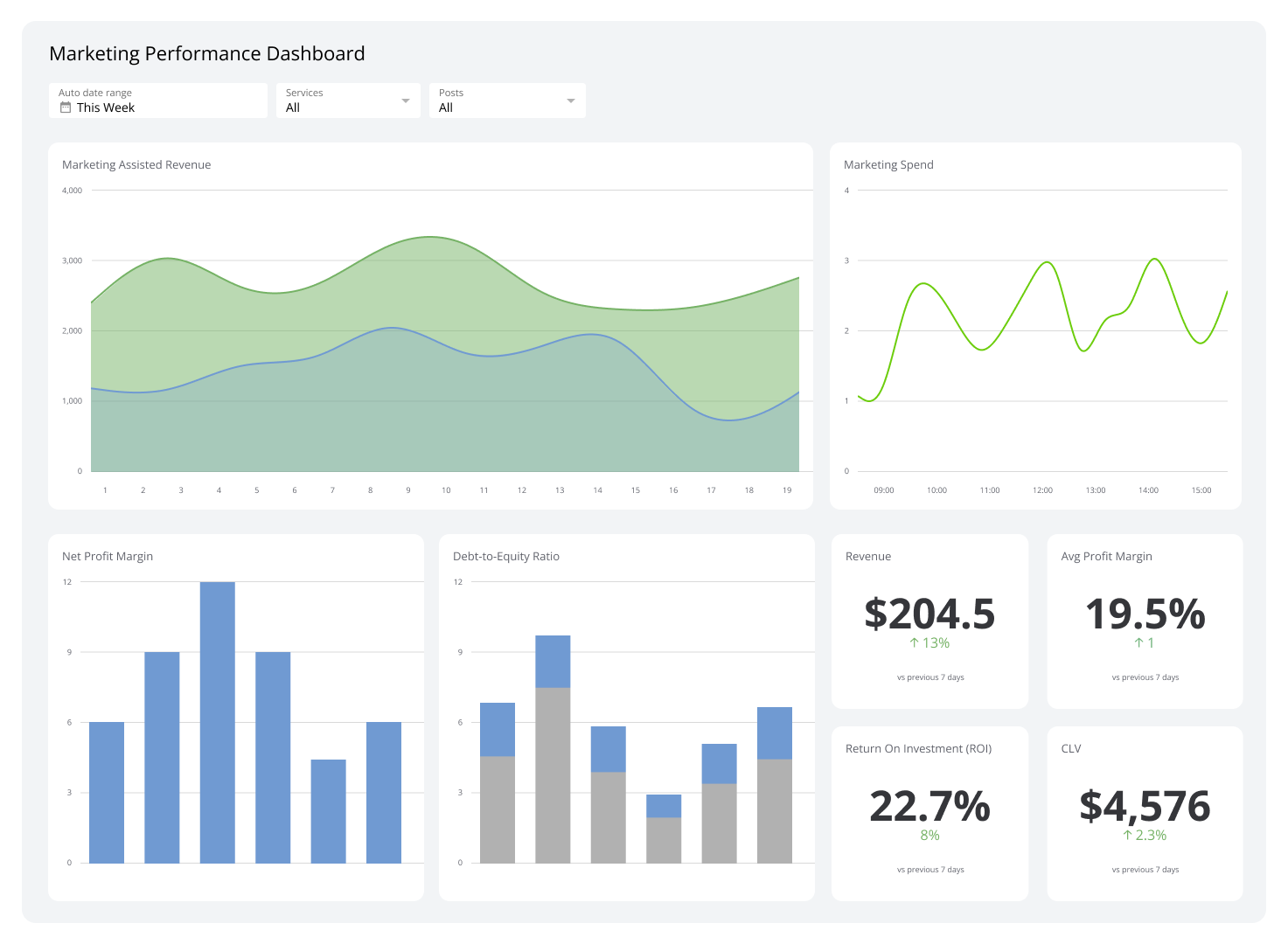
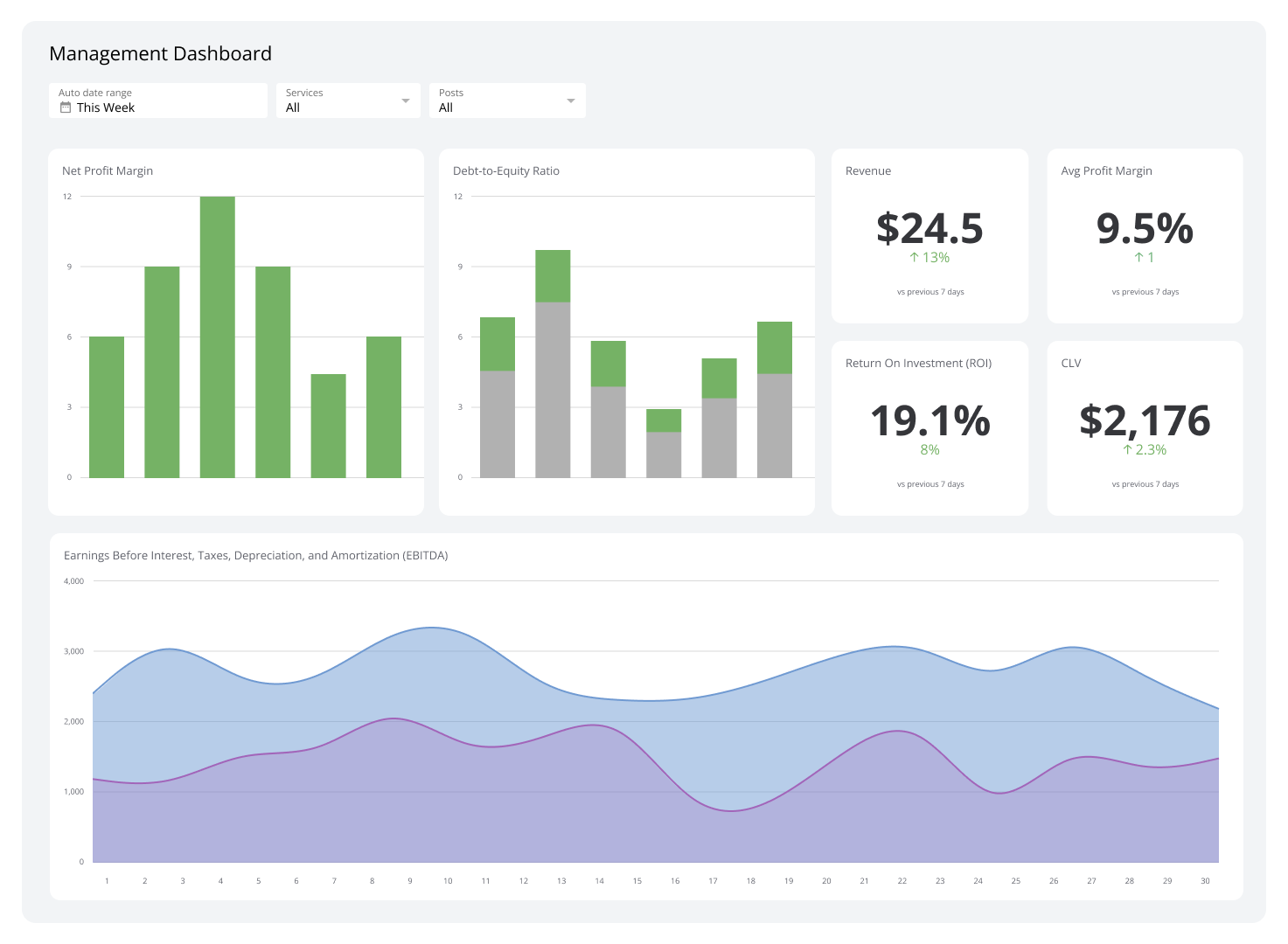
Routing accuracy is most actionable when it's visible in real time, not buried in a weekly report. A dashboard showing Interactions Routed Properly alongside First Contact Resolution, CSAT, and Abandoned Call Rate gives you the full picture of call centre health at a glance.
Automated alerts can flag when routing accuracy drops below your target, so your team can investigate and respond before a bad day becomes a pattern. When this metric lives in a shared dashboard, everyone from QA to operations sees the same numbers, and knows what needs attention next.