Call Volume
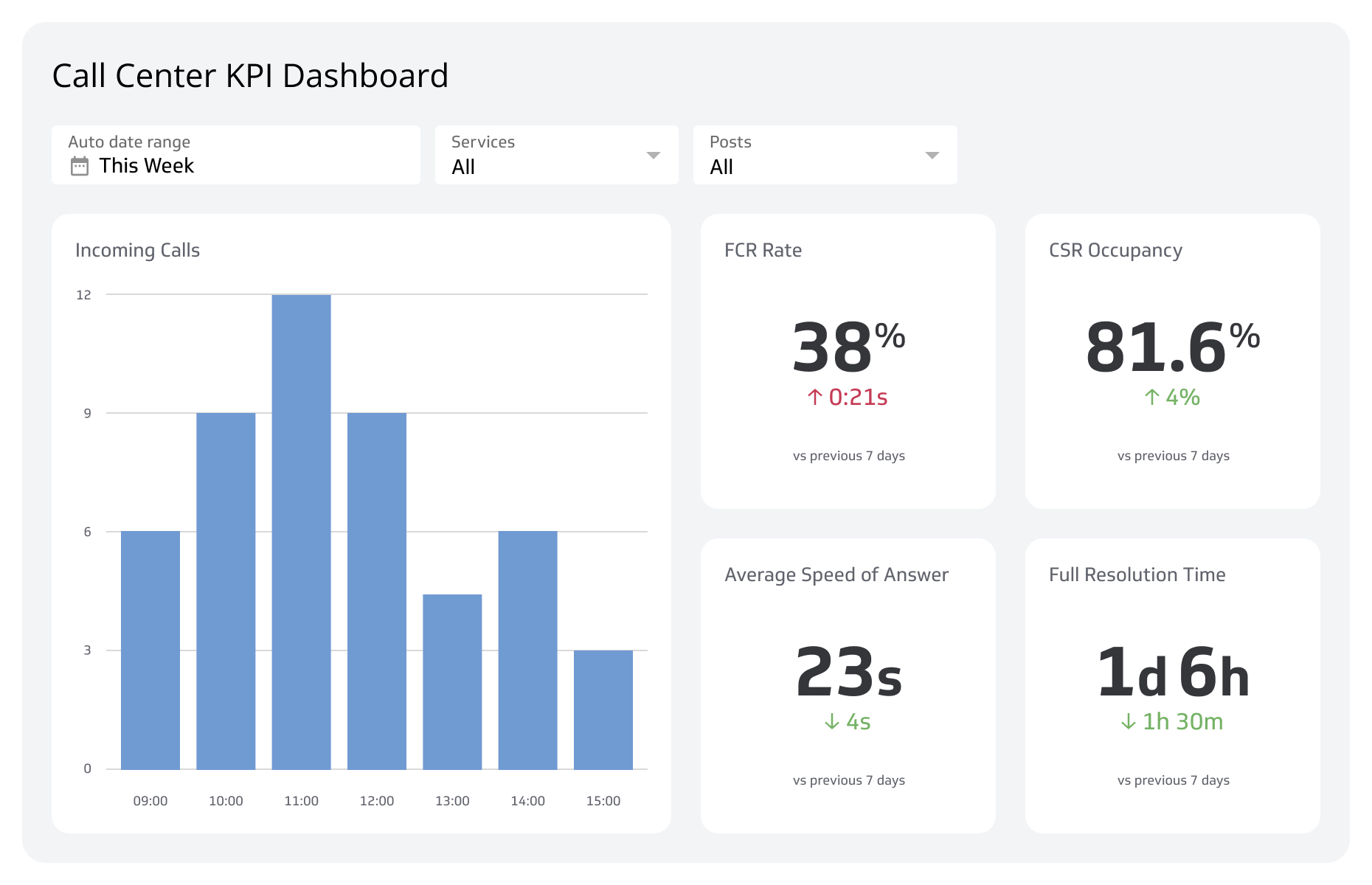
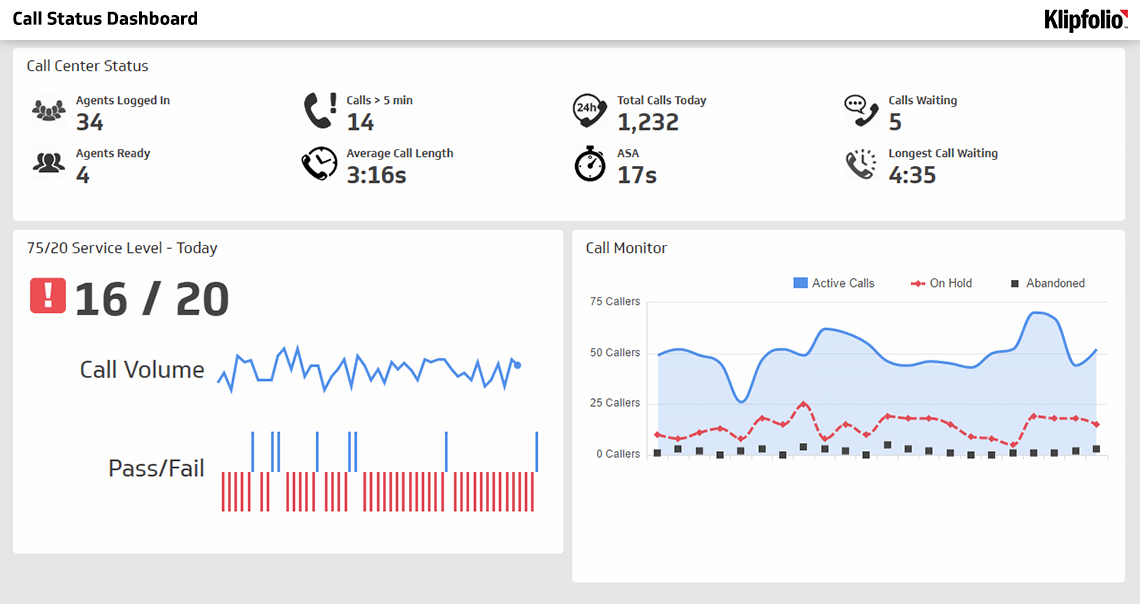
Monitor your team's capacity and workload by tracking the total number of calls handled.
Call Volume
What is Call Volume?
Call Volume is the total number of calls handled by your team over a specific period of time.
It's a foundational metric for understanding workload, capacity, and activity level. On its own, it tells you how busy your team is. Paired with outcomes like sales closed or support tickets resolved, it tells you how effective that busyness actually is.
Why Call Volume matters
A number without context is just noise. Call Volume becomes useful when it helps you answer real questions: Are your agents hitting their targets? Is your team overwhelmed or stretched too thin? Are you staffed for what's coming next week?
Leaders who track Call Volume consistently can spot patterns before they become problems. A spike on Monday mornings, a dip mid-month, a sudden surge after a product launch. These patterns shape hiring decisions, scheduling, and process changes. Without the number in front of you, you're guessing.
Generic AI tools and spreadsheets can summarize data you paste in, but they can't tell you what's happening right now or surface a trend you didn't think to ask about. That's the gap a live dashboard closes.
Who tracks Call Volume?
Call Volume is relevant across several functions:
- Sales development teams: Call Volume is a direct measure of prospecting activity. Managers use it to confirm reps are hitting outreach targets and to identify who needs coaching.
- Customer support teams: Volume data drives staffing forecasts and helps managers keep service levels stable without over-resourcing.
- Growing companies: A sudden spike in call volume is often the first signal that you need to hire, restructure a process, or rethink how customers reach you.
- Larger teams with call centres: At scale, Call Volume feeds resource planning, performance management, and Service Level Agreement (SLA) compliance.
How to calculate Call Volume
The formula is a simple count:
Total number of calls handled in a given time period
The time period matters. Daily volume tells you about today. Weekly and monthly trends tell you about your business rhythm. Comparing the same period year-over-year tells you whether you're growing.
How to get more from Call Volume
Counting calls is the starting point, not the finish line. These approaches turn raw volume into something actionable:
- Segment by type: Break volume into inbound vs. outbound, sales vs. support, or new prospect vs. existing customer. Knowing where your team's time goes is different from knowing how much time they're spending.
- Pair with outcome metrics: High volume means little if Customer Satisfaction (CSAT) or Net Promoter Score (NPS) is falling. Track them together to see whether activity is translating into results.
- Measure efficiency: Combine Call Volume with Conversion Rate to understand how many calls lead to a sale or resolved issue. Monitor Average Handle Time (AHT) alongside volume to catch quality problems before they compound.
- Watch for proactive signals: A well-configured dashboard doesn't wait for you to check in. It surfaces when volume crosses a threshold, so you know without having to look.
Create custom dashboards for you and your team.
Get started with KlipsHow to track Call Volume
The most reliable way to track Call Volume is on a live dashboard that pulls directly from your phone system or CRM, rather than waiting for a weekly export or pasting numbers somewhere manually. Real-time visibility means you can act on what's happening now, not what happened last Tuesday.
With Klipfolio Klips, you can connect your call data alongside other performance metrics in one place, share views with your team, and set up scheduled reports so everyone stays aligned without chasing down numbers.