Social Events
Monitor interactions on your social channels to understand audience engagement and grow your reach.
Social Events by platform
What are Social Events?
Social Events are interactions on your social media channels, including likes, shares, comments, and mentions, that show whether your audience is actively engaging with your brand.
Key terms
Social Events: Interactions that show your audience is actively engaging with your brand on a specific platform.
Engagement rate: The percentage of your followers or audience who interact with your content, calculated as total interactions divided by total followers.
Referral traffic: Visitors who arrive at your website by clicking a link shared on social media or another external site.
Conversions or goals: Marketing objectives you want your audience to complete, such as signing up for a newsletter, downloading a resource, or making a purchase.
Dark social: Shares and clicks that happen outside trackable channels, such as private messages, messaging apps, or copy-pasted links.
Why Social Events matter
Social Events are a leading indicator of brand awareness and audience connection. They show whether your content resonates and whether your audience is willing to amplify your message. High-quality social interactions often precede website visits, leads, and sales, making them valuable early signals of marketing success.
The real payoff isn't the number on the screen. It's knowing which interactions move the needle, so you can do more of what works and stop guessing. A post that drives shares and clicks tells you something actionable. A post that collects likes and nothing else tells you much less.
Social Events alone don't guarantee business results. A high number of likes or shares means little if they don't drive traffic, leads, or revenue. The value emerges when you connect social engagement to measurable business outcomes.
Success indicators
Consistent engagement growth over time, not just spikes around campaigns.
High-quality interactions (shares and comments) rather than passive likes alone.
Social traffic that converts into leads or customers.
Engagement that aligns with your content marketing and business objectives.
Calculating Social Events
The basic formula for total Social Events is:
Total Social Events = Likes + Comments + Shares + Mentions + Saves
For a weighted Social Events score, multiply each interaction type by its assigned weight:
Weighted Social Events = (Likes × 0.25) + (Comments × 0.75) + (Shares × 1.0) + (Mentions × 1.0)
Adjust the weights based on which interactions drive the most value for your business. Track these metrics weekly or monthly to identify trends and test what content and posting strategies deliver the best engagement.
Social Events by platform
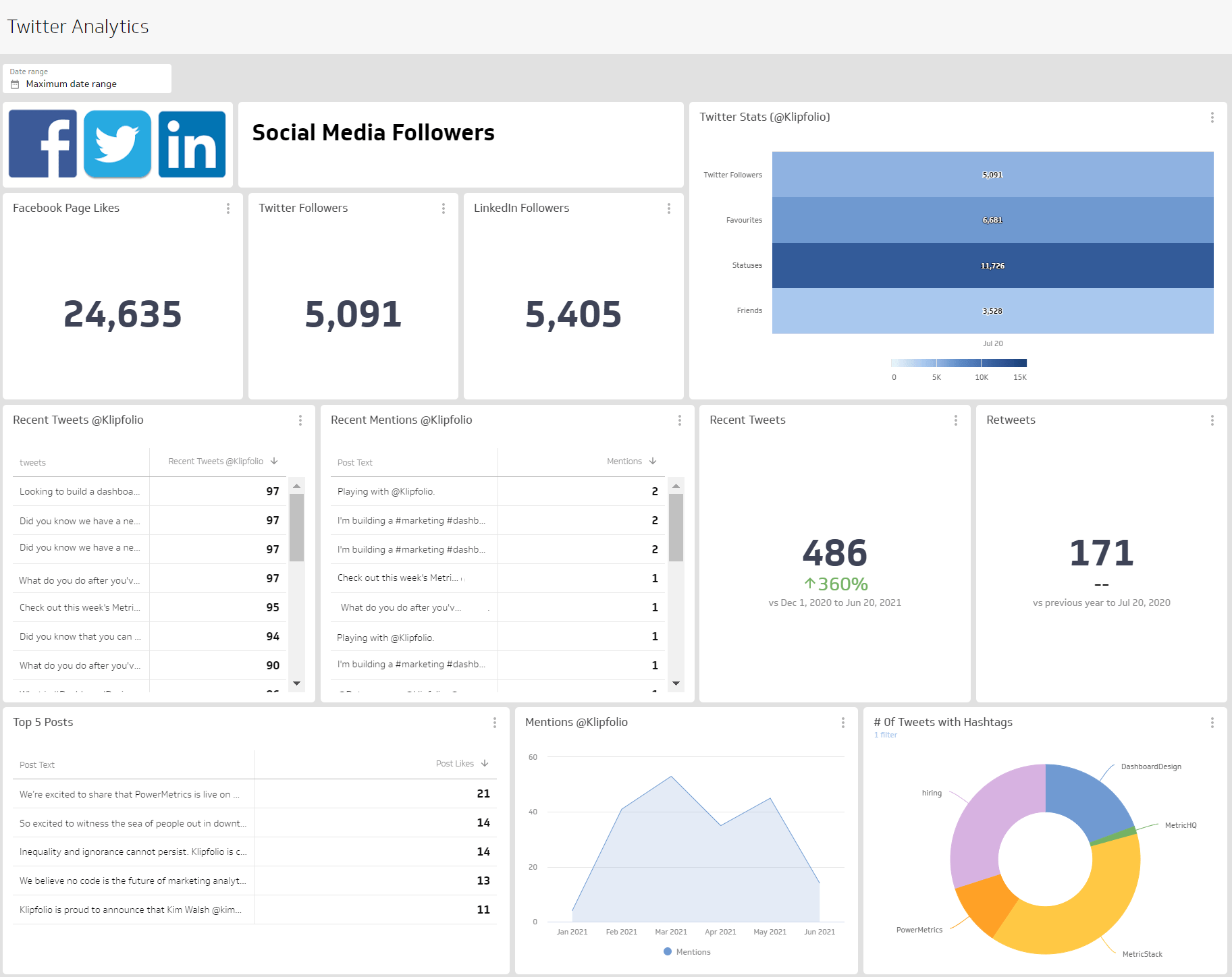
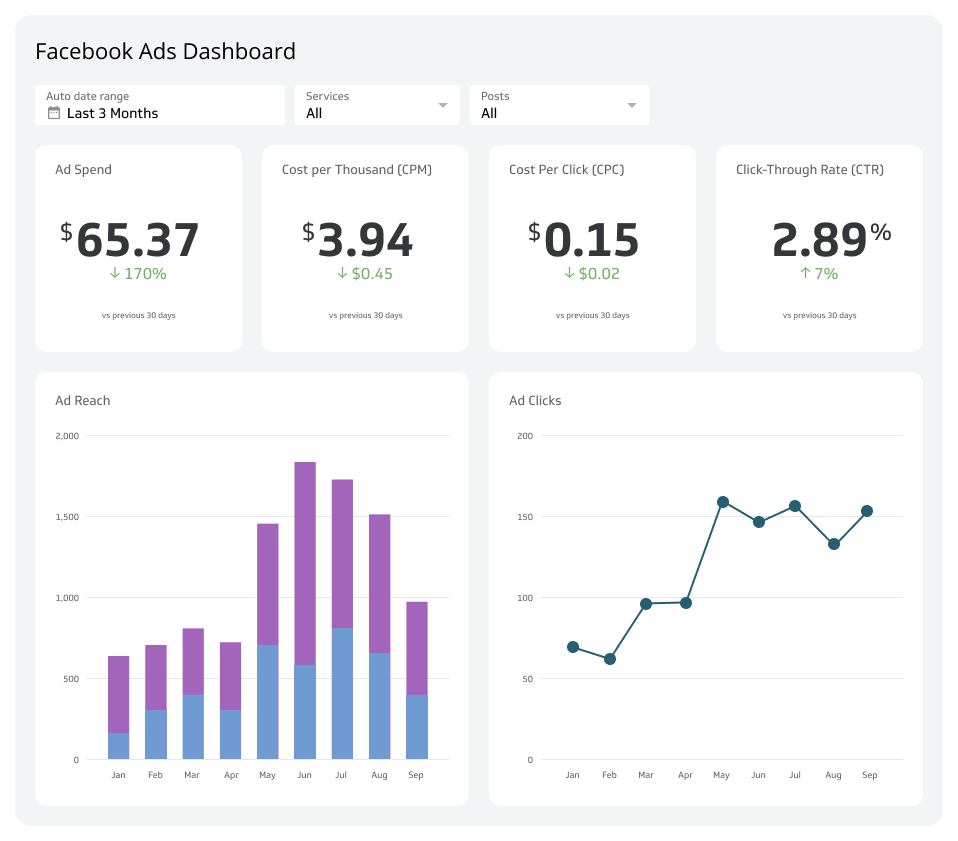
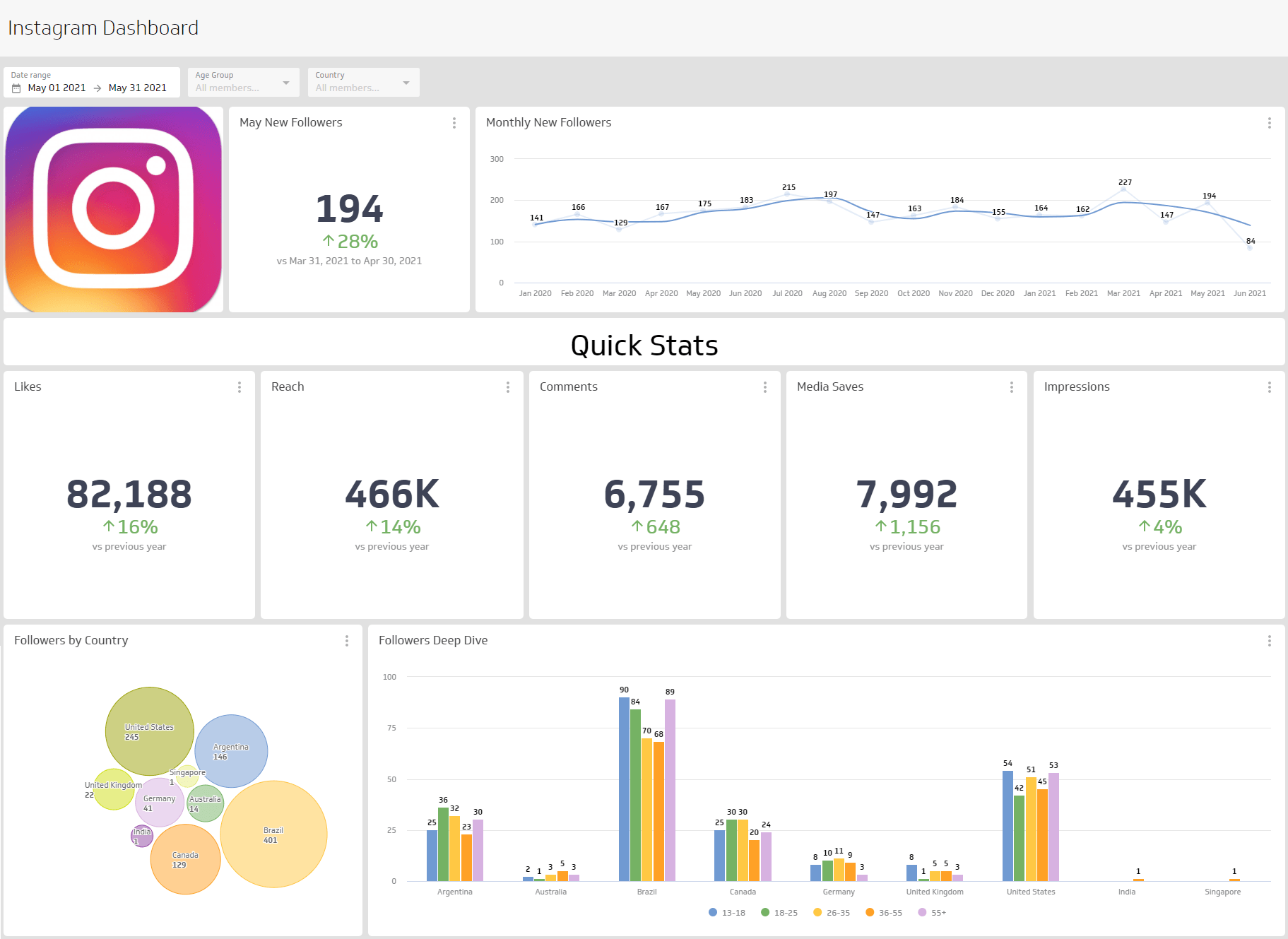
Each social platform has its own engagement patterns. X tracks likes, reposts, and mentions. Facebook measures likes and shares. LinkedIn features likes, comments, and shares. Instagram emphasizes likes, comments, and saves.
Each interaction carries different weight from a marketing perspective. A repost on X extends your message to a new audience and increases visibility. A like signals agreement but doesn't amplify reach the same way. Knowing the difference helps you set realistic targets on each platform and avoid comparing numbers that aren't comparable.
Social Events challenges
Dark social and attribution gaps
One of the biggest challenges in measuring social media impact is tracking engagement that happens outside visible channels. Mobile messaging apps, private messages, and copy-pasted links don't provide referrer data, making it difficult to credit social channels for traffic and conversions. This dark social problem has grown as more sharing happens through private channels rather than public posts.
Platform algorithm changes
Social platforms continuously update their algorithms, affecting which content gets shown and how engagement is counted. What worked last quarter may have limited reach today. This makes it harder to predict performance and compare results over time.
Vanity metrics vs. business impact
Follower counts and likes can be misleading. A brand might have thousands of followers but minimal engagement or conversion. A smaller, more engaged audience often delivers better business results. The challenge is distinguishing between metrics that look good and metrics that drive real decisions.
Create custom dashboards for you and your team.
Get started with KlipsSocial Events best practices
Align Social Events with business goals
Social Events and engagement must connect to your marketing and business objectives. Each interaction type should be evaluated based on its ability to contribute to your goals. One approach is to assign weighted values to different interaction types. For example, you might assign a share a value of "1," a comment a value of "0.75," and a like a value of "0.25." This weighting reflects the relative impact each interaction has on audience reach and engagement.
Every organization is different, so analyse which types of social interactions actually generate website traffic, leads, and revenue for your business.
Get your team aligned on definitions
Decide as a group what terminology you'll use before you start tracking. Agree that all promotional posts will be tagged as "CTA" (call-to-action), and define what counts as an "engagement" versus a "share." If your team uses different definitions, reporting becomes confusing and unreliable.
Focus on quality over quantity
The number of followers or likes does not equal success. What matters is whether your social activity results in traffic, leads, or revenue. Use this framework:
Landing Pages + Goals + Social Source Segments = Social ROI
When you view your landing pages combined with conversion goals and filter results to show only traffic from social platforms, you can determine your actual social return on investment. This approach also reveals which content types and platforms drive the best results, informing your content strategy.
Use high-performing referral sources as outreach signals
Once you identify social referrals that convert, treat them as outreach opportunities. Research the pages, accounts, or platforms sending you traffic and conversions, then consider how to increase your exposure there. You might pitch guest posts, request partnerships, or allocate more budget to advertising on those channels.
Pair social media with other marketing channels
Social media doesn't work in isolation. Ask: what channels does social media work with to improve results? Social media can amplify the effectiveness of email, content marketing, paid advertising, and other channels. Test how pairing social with other channels improves performance across both.
How to monitor Social Events in real time
Once you've established benchmarks and targets for Social Events, create processes to monitor this metric alongside other social media KPIs. Real-time dashboards are essential for staying on top of your social performance.
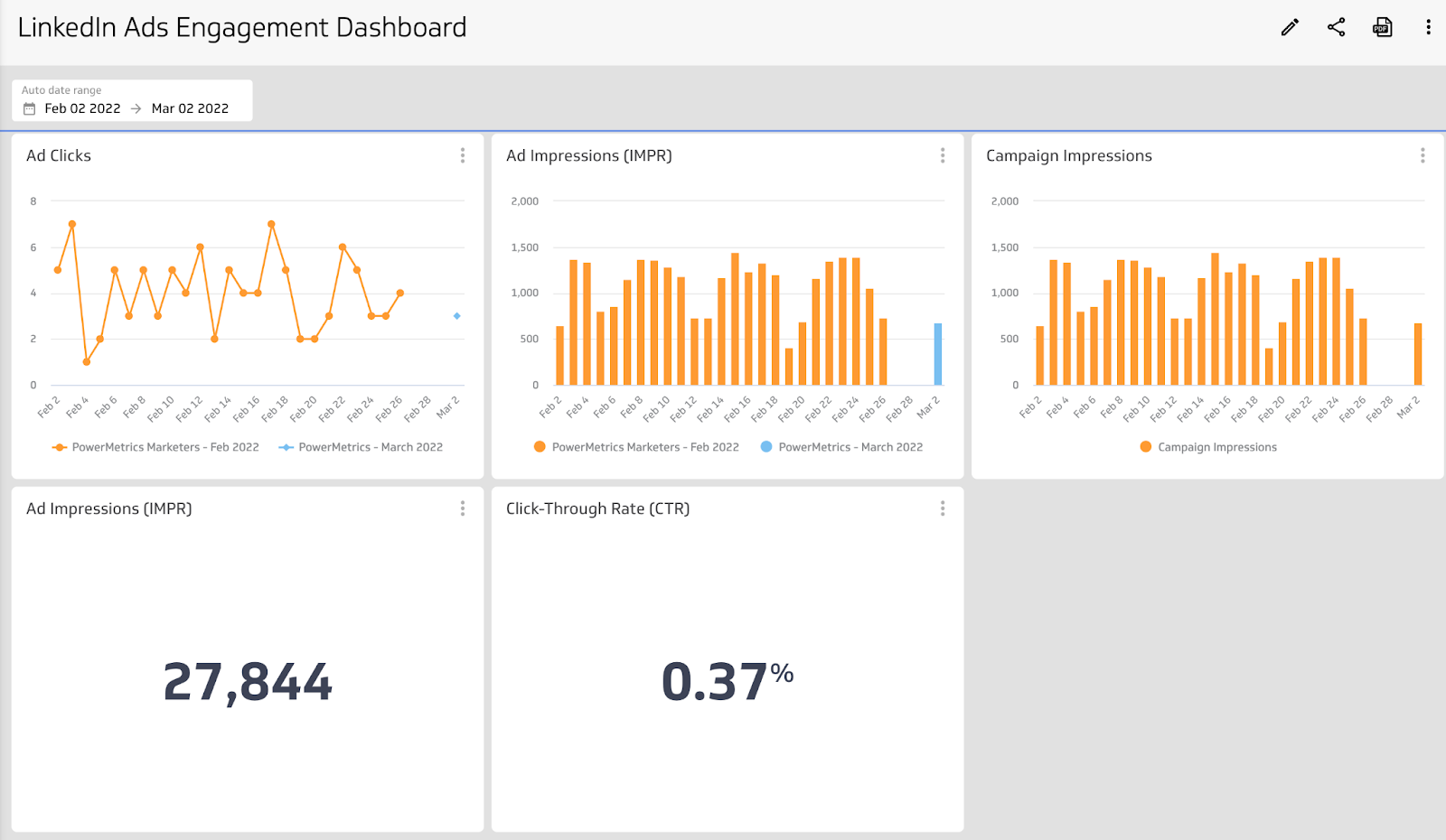
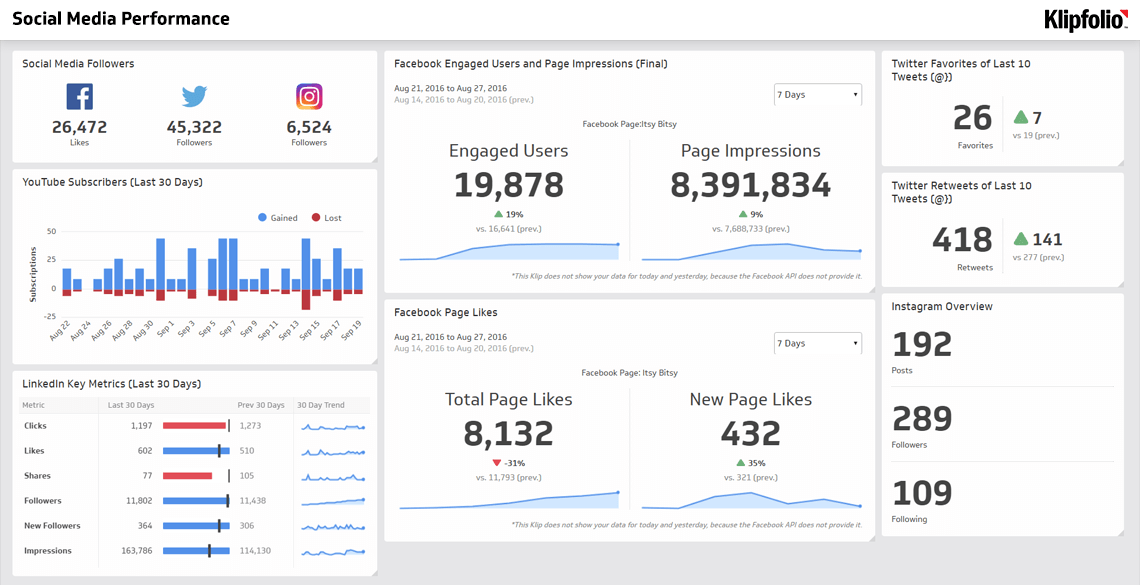
A social media dashboard centralizes data from all your platforms, including X, Facebook, Instagram, and LinkedIn, in one place. Instead of logging into each platform separately or pasting numbers into a spreadsheet, you see engagement trends, top-performing content, and channel comparisons in a single view. That means you spend less time pulling data and more time acting on it.
Dashboards also keep your team aligned. When everyone looks at the same numbers, decisions happen faster and with more confidence.
Social Events top resources
The metrics that matter for SEO and social media, Jon Henshaw
Content Marketing Goals You Should Have, Aaron Agius
How to Prove Your Social Media Impact, Brewster Stanislaw
Social Media ROI Tips, Cindy King