Social Interactions
Measure the engagement levels of your social media campaigns
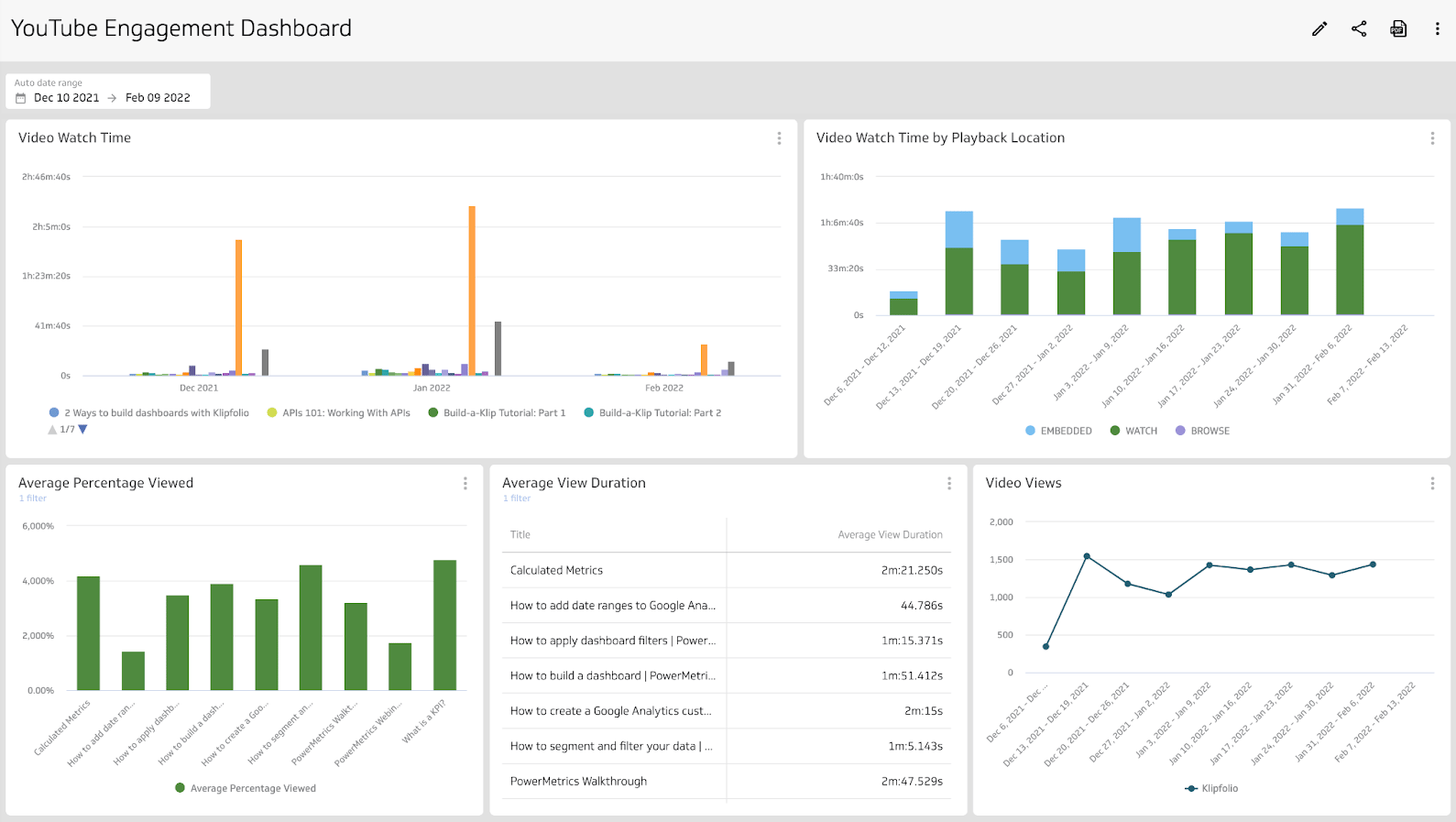
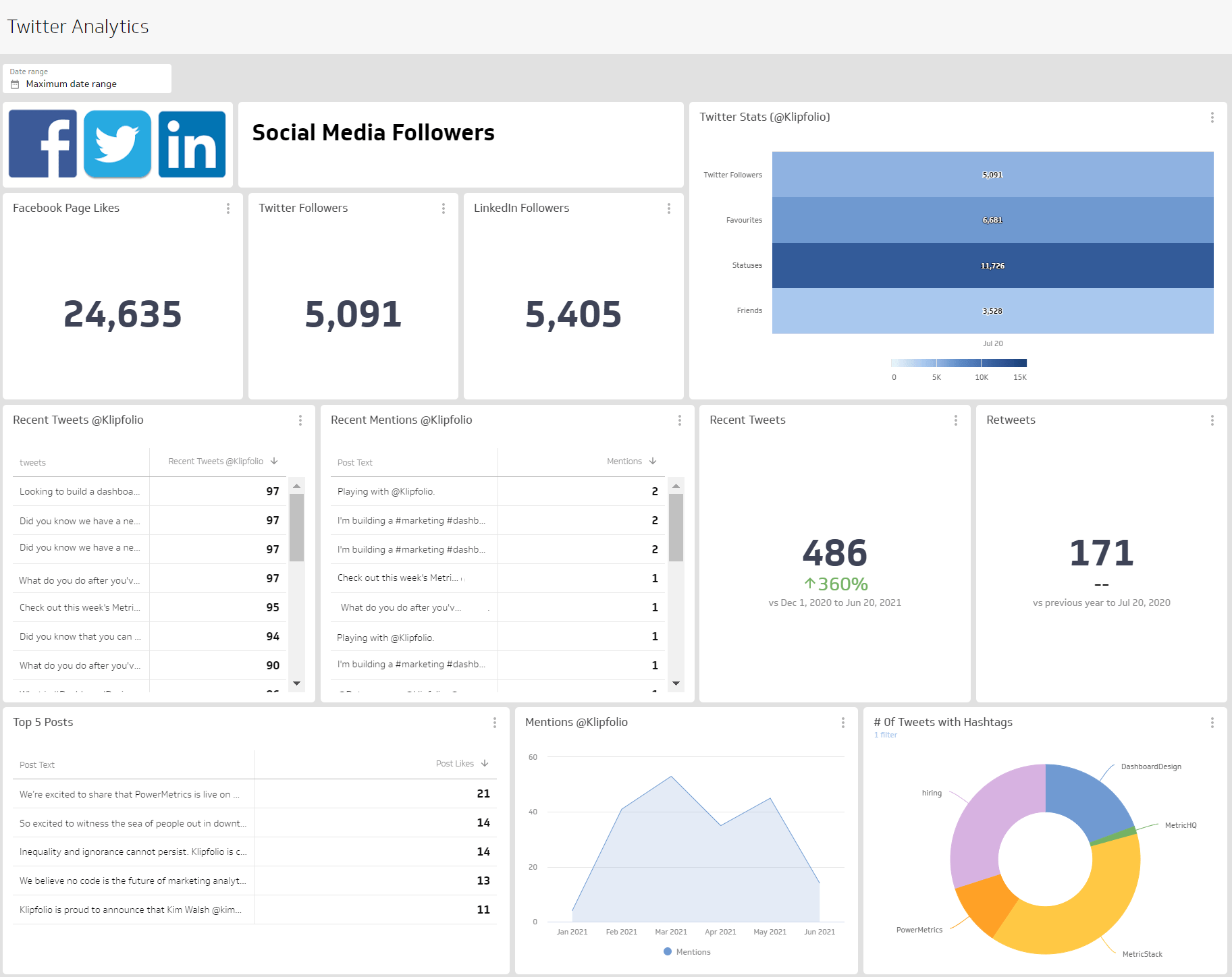
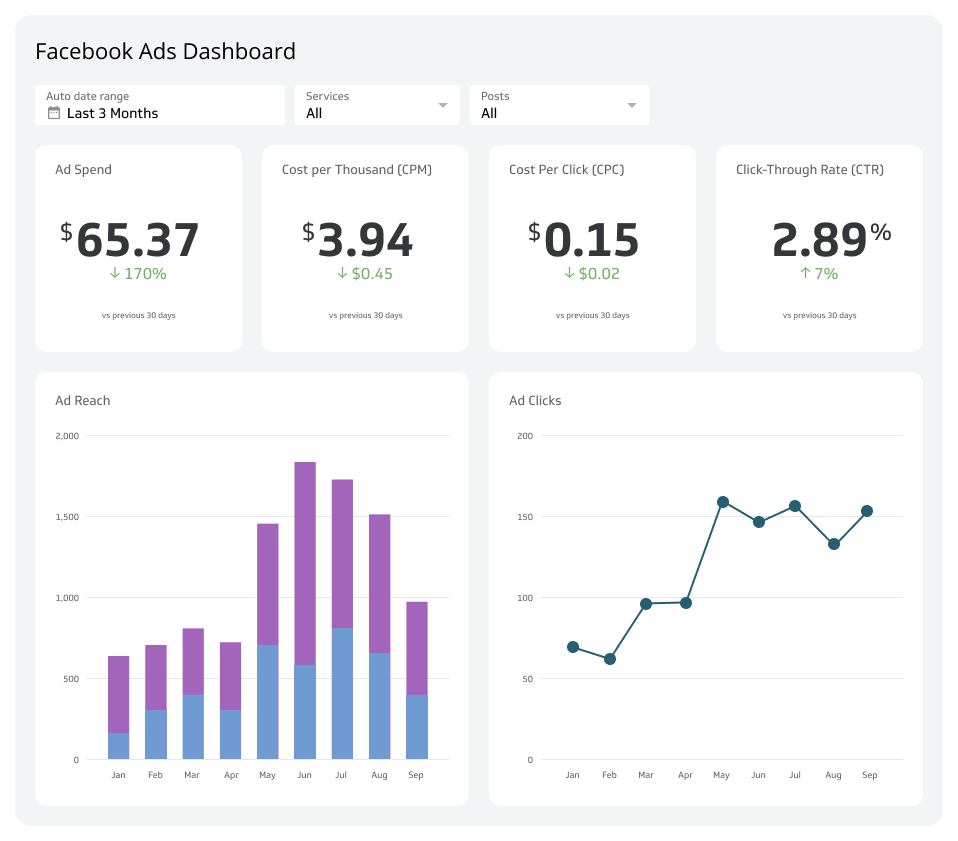
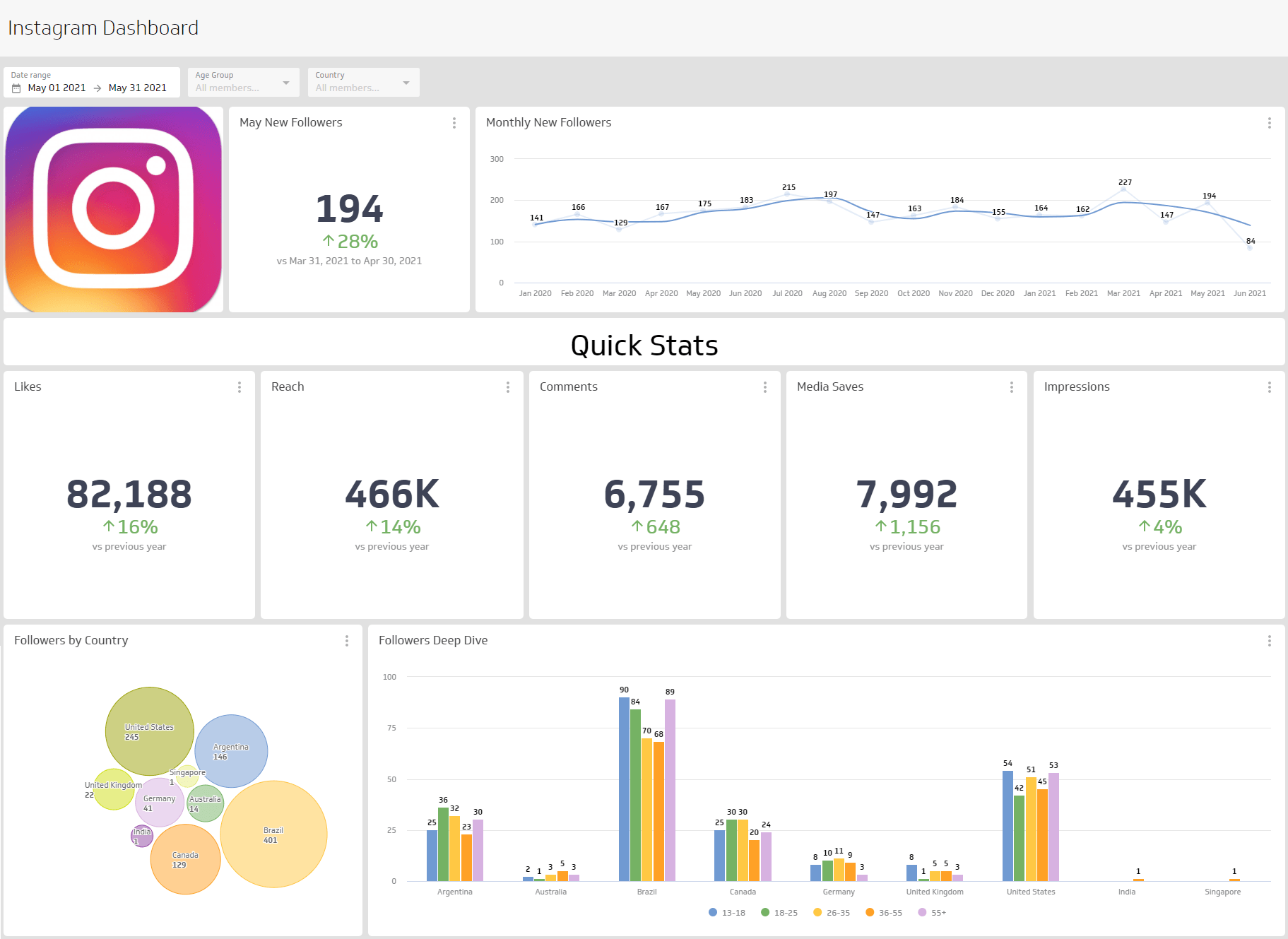
Social Interactions by platform
What is Social Interactions?
Social Interactions measures how effectively your social media campaigns generate engagement between your audience and your brand. It counts every communication an audience member has with your social profile: likes, shares, comments, mentions, reposts, and platform-specific actions.
A high Social Interactions count tells you people are responding to your content. A low count tells you something needs to change, whether that's your message, your timing, or your platform mix.
Why Social Interactions matter
Every interaction is a signal. When someone shares your post, they're extending your reach without any additional spend. When someone comments, they're opening a conversation. When someone mentions your brand, they're doing your marketing for you.
A strong social media measurement strategy connects these signals to real business outcomes: website visits, leads, and new customers. Social Interactions on its own tells you people are paying attention. Mapped to conversion data, it tells you whether that attention is worth anything.
For leaders running lean teams, this is the difference between guessing and knowing. You shouldn't have to dig through platform dashboards or paste numbers into a spreadsheet to understand whether your social presence is working.
What counts as a social interaction
Interactions vary by platform, but the most common types include:
- Likes and reactions: Quick signals of approval or resonance
- Comments: Active engagement that indicates real interest
- Shares and reposts: The highest-value interaction, because your content reaches a new audience at no cost
- Mentions: Audience members referencing your brand in their own posts
- Saves and bookmarks: Signals of intent, often overlooked but meaningful
Not all interactions carry equal weight. A repost keeps your content in circulation far longer than a like. A comment opens a dialogue. Tracking total Social Interactions gives you a volume number; breaking it down by type gives you the insight to act on it.
Challenges with this metric
The main limitation of Social Interactions as a single number is that it flattens meaningful differences. A thousand likes and a hundred shares might look similar in aggregate, but the shares are doing more work for your brand.
Platform weighting adds another layer of complexity. One brand's audience is active on LinkedIn; another's is on Instagram. Comparing raw interaction counts across platforms without accounting for audience size or platform norms leads to misleading conclusions.
The most useful approach is to track Social Interactions alongside platform-specific breakdowns and tie the data to outcomes you actually care about, like traffic, leads, or revenue.
What good looks like
Strong Social Interactions performance typically shows three characteristics:
- Engagement that maps to outcomes: High interaction rates correspond to completed marketing objectives, not just vanity numbers
- Content that travels on its own: Posts that get reshared without requiring ongoing nurturing from your team
- Sustained engagement over time: Consistent interaction across weeks and months, not just spikes around campaigns
How to increase Social Interactions
The consistent finding across social media research is straightforward: brands that engage get engaged with. Responding to comments, asking questions, and inviting participation all drive higher interaction rates.
Hootsuite frames it this way: the best approach is building relationships, not broadcasting content. When your audience feels heard, they interact more, and those interactions compound over time.
Practically, this means:
- Responding quickly to comments and mentions, especially in the first hour after posting
- Asking for participation directly: polls, questions, and calls to share experience
- Posting consistently so your audience knows when to expect content from you
- Testing formats across platforms to find what your specific audience responds to
How to track Social Interactions
Tracking Social Interactions in one place is harder than it sounds. Each platform has its own analytics, and pulling numbers manually every week is the kind of work that either doesn't get done or gets done inconsistently.
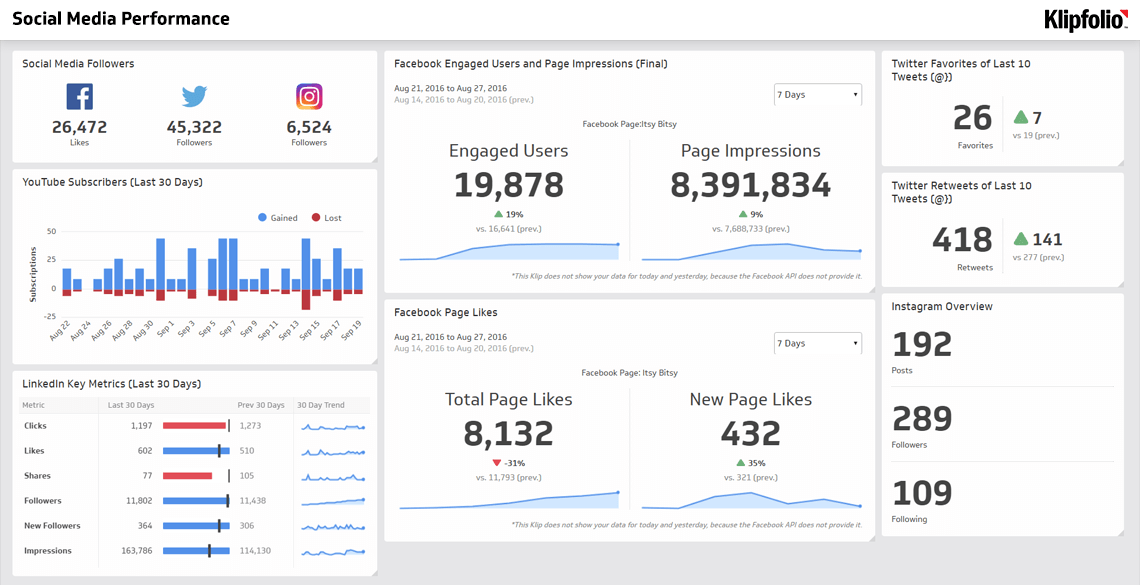
A Social Media Dashboard consolidates your interaction data across platforms into a single view, updated automatically. Instead of checking five dashboards or waiting for someone to pull a report, you see what's happening the moment you need to know. Klips connects to your social platforms directly, so the numbers your team is making decisions on are always current and consistent.
Create custom dashboards for you and your team.
Get started with KlipsAdditional resources
- How to Use Social Media to Understand and Engage Your Customers, Connie Sklar
- The Power of Social Media Interaction, Michael Becerra
- Brewing Up Excitement for Events with Social Media Marketing, Sam Milbrath
- How to Stand Out with Social Selling, Reid Robinson