Agent Performance
Measure the performance of help desk agents according to key metrics.
Agent Performance Score
| Agent | Calls handled | FCR rate | CSAT score |
|---|---|---|---|
| Sarah Chen | 287 | 89% | 4.6/5 |
| Marcus Rodriguez | 264 | 84% | 4.3/5 |
| Jamie Patel | 251 | 76% | 4.1/5 |
| Alex Kim | 298 | 81% | 4.2/5 |
| Team average | 275 | 83% | 4.3/5 |
What is Agent Performance?
Agent Performance is a KPI that measures how well help desk agents handle customer interactions, using metrics like calls handled, First-Contact Resolution, and customer satisfaction scores.
Strong agent performance means customers get fast, accurate answers. Weak performance shows up as callbacks, complaints, and a growing backlog. Tracking this KPI tells you who needs coaching, who is excelling, and whether your scorecard is built to reward the right behaviours.
What Agent Performance measures
A single number rarely captures the full picture. Agent Performance is a composite KPI, built from several metrics that together describe both efficiency and quality.
Calls or tickets handled: Volume completed within service standards, a baseline measure of capacity and pace.
First-Contact Resolution (FCR): The percentage of issues resolved in a single interaction. High FCR means customers are not coming back with the same problem.
Average Handle Time (AHT): Total time spent on a ticket, including talk, hold, and after-call work.
Customer Satisfaction (CSAT) or quality score: Direct feedback on the experience, not just the outcome.
Adherence and attendance: Time on schedule and ready to serve.
Escalation rate: Transfers and reopens that signal an issue was not fully resolved at the first touch.
How to build a fair scorecard
A scorecard only works if agents trust it. Arbitrary targets or opaque formulas undermine the whole exercise.
Set goals by queue. Sales, support, and billing teams handle different interactions. Applying the same targets across all three creates unfair comparisons.
Weight outcomes over speed. Reward FCR and quality scores so agents are not incentivized to rush calls and generate callbacks.
Set floors and caps. Prevent any single metric from dominating the composite score.
Show the formula. Publish the calculation and sample outputs. When agents understand how their score is built, they are more likely to trust it and act on it.
Success indicators
A high-performing agent consistently scores well across the full set of metrics, not just the easiest ones to game. Look for:
High FCR paired with strong CSAT scores
AHT that stays stable without a spike in escalations or callbacks
Consistent adherence and low escalation rates over time
If an agent is fast but generates callbacks, speed is not actually the win it looks like.
Track Agent Performance in Klips
Pulling agent data from your phone system and ticketing tool manually takes time and introduces errors. A Klips dashboard connects those sources automatically, calculates per-agent metrics using your own scoring weights, and keeps the view updated without anyone having to ask.
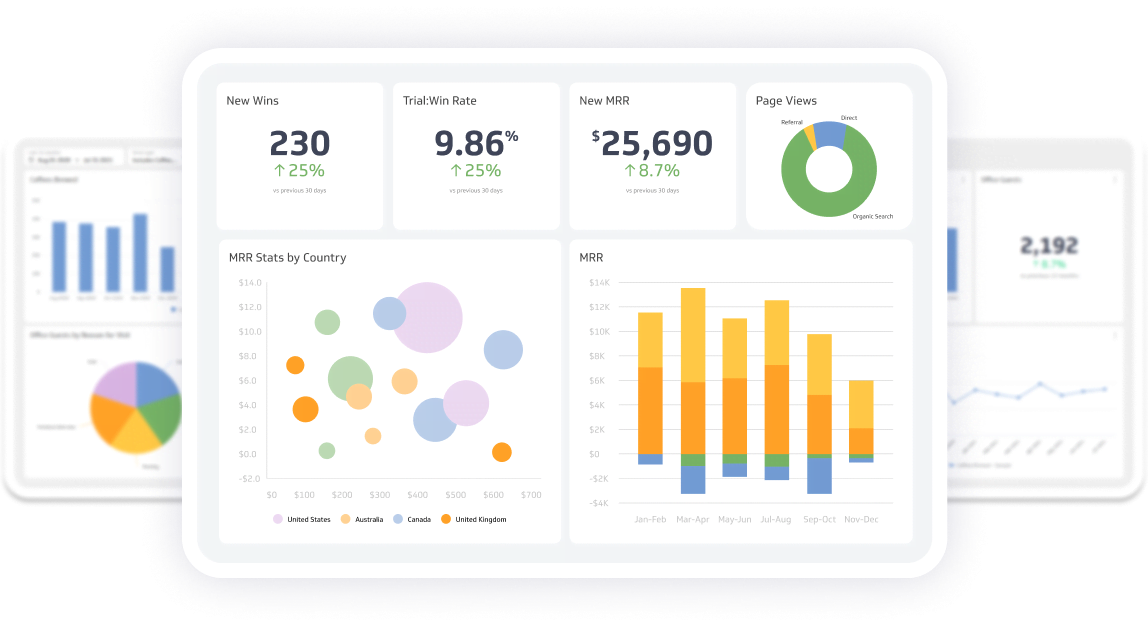
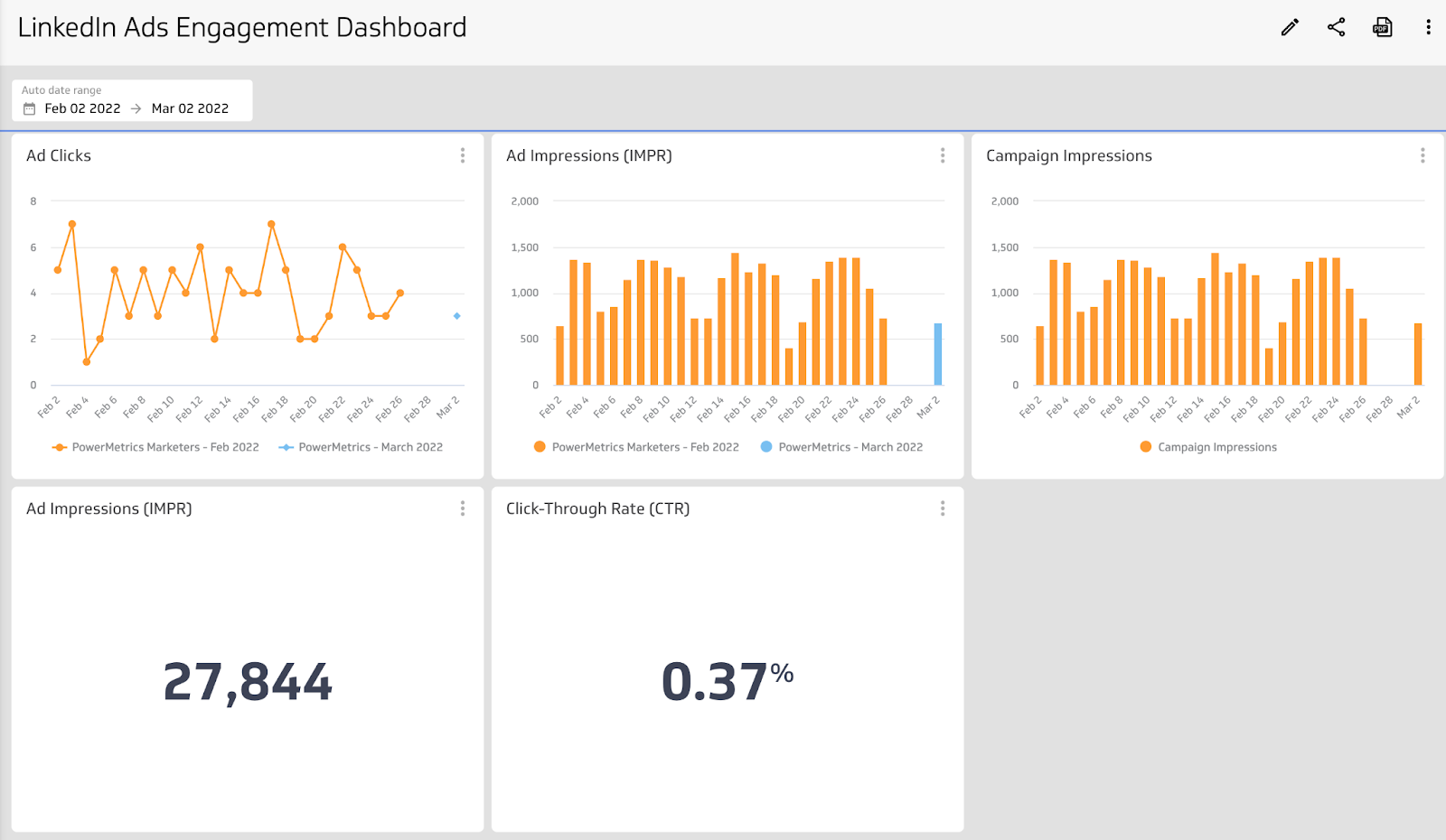
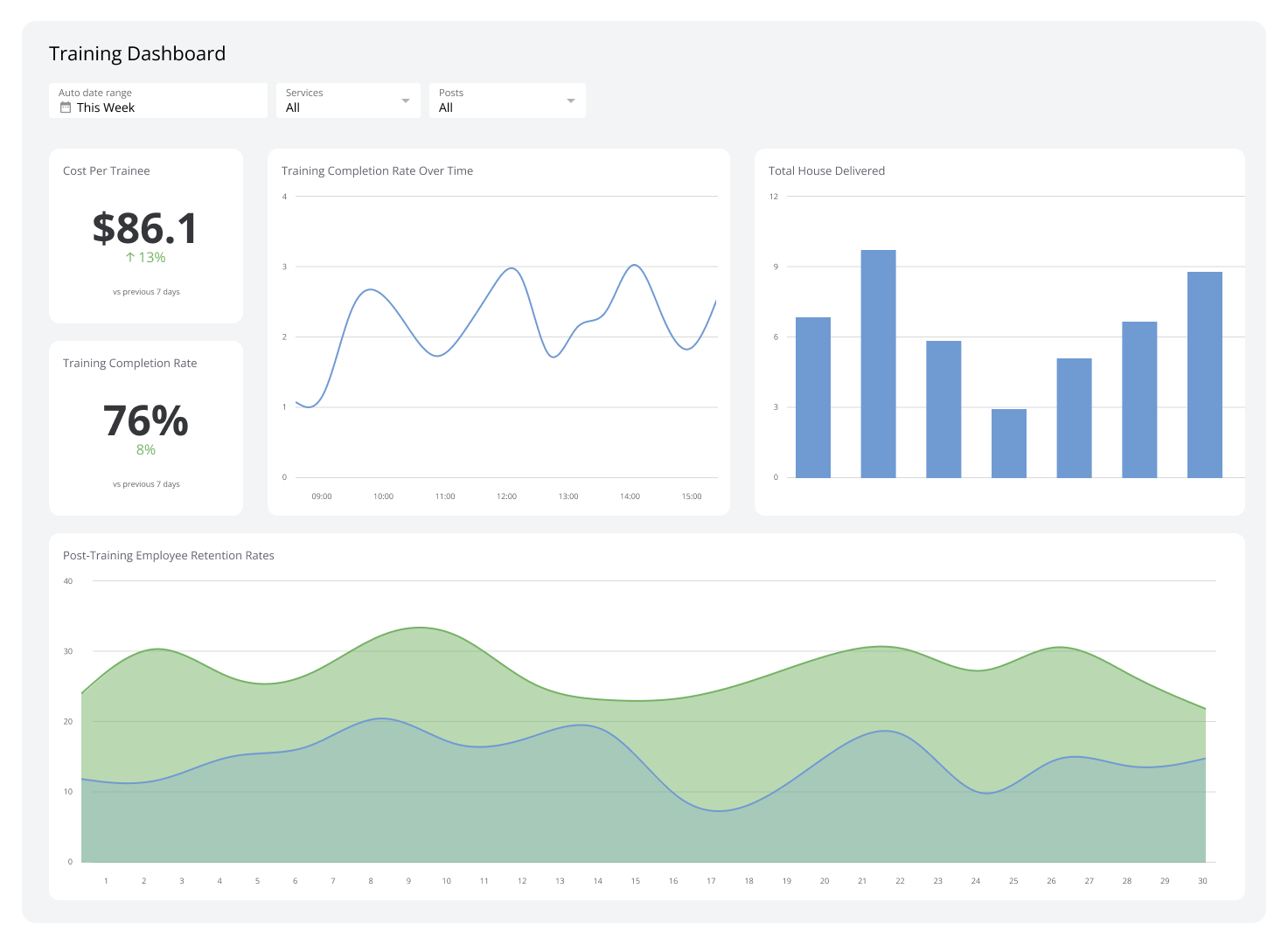
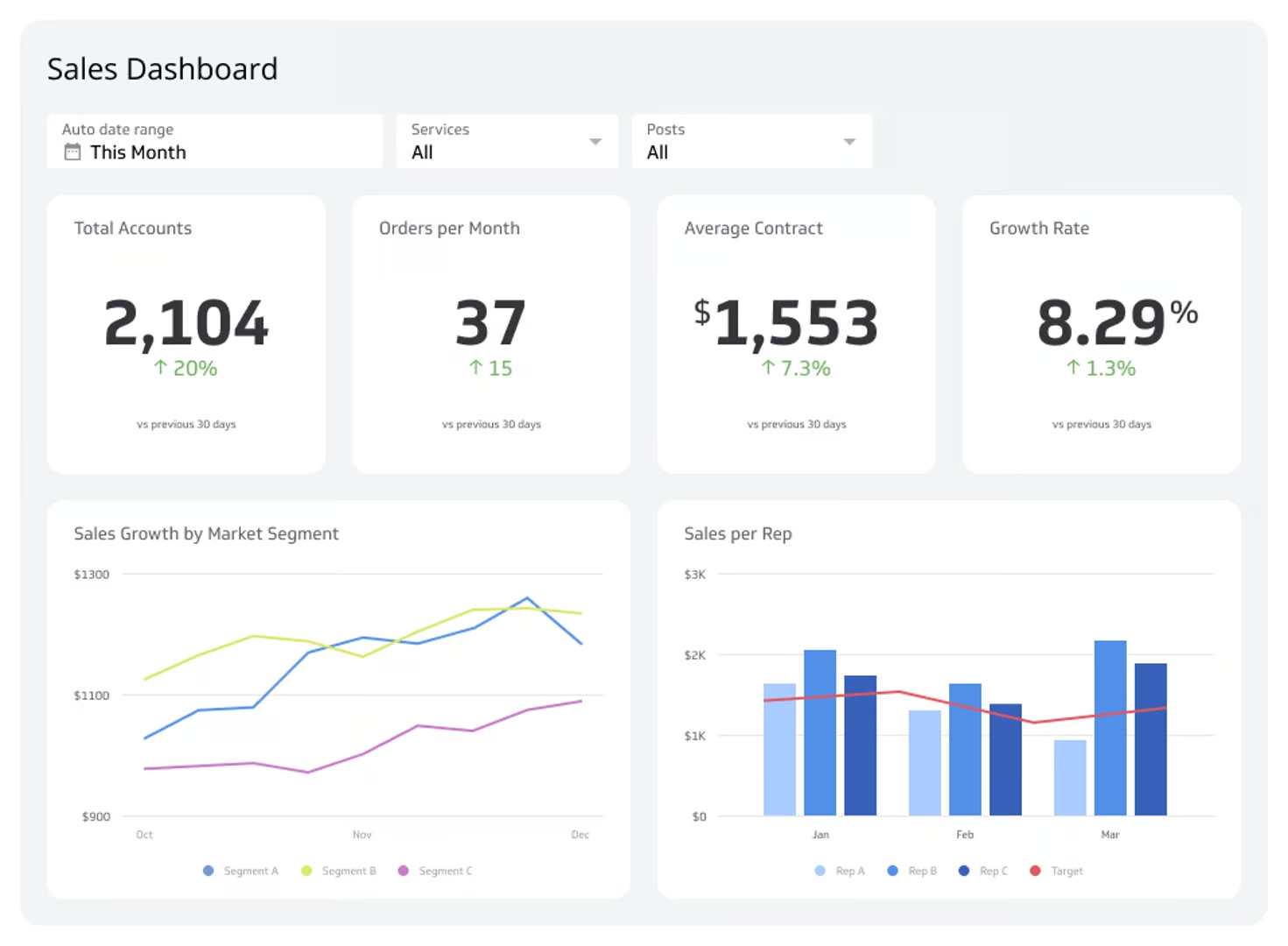
From one dashboard, managers can see a leaderboard ranked by composite score, trend lines for each metric, and a distribution chart that highlights who needs coaching and who is ready to mentor others. Filters by queue, topic, and date range let you drill into the context behind any number.
You can share a weekly scorecard with managers and a personal view with each agent, so everyone knows where they stand without waiting for a report to be pulled.
Coaching with Agent Performance data
Data tells you where to focus. These practices turn that focus into improvement.
Review a small call sample each week. Listening to three to five interactions per agent is enough to spot patterns without becoming a full-time audit.
Pair top agents with new hires. Side-by-sides transfer tacit knowledge that no training deck can capture.
Script the hard moments. Opening, discovery, recap, and next steps are the four points where interactions most often go sideways. Give agents a framework for each.
Create custom dashboards for you and your team.
Get started with KlipsCommon pitfalls
Scorecards that reward speed only. Optimizing for handle time without tracking FCR or CSAT drives callbacks and complaints, the opposite of what you want.
Undefined metrics. If agents do not know how a metric is calculated, the scorecard loses credibility fast. Unclear definitions invite gaming, not improvement.
One-size-fits-all targets. Tenure and queue type both affect what is achievable. Set goals that reflect the actual work, not a universal benchmark.