After Call Work Time
Measure the total amount of time it takes to complete post-call work.
After Call Work Time
After Call Work Time (ACW) is the total time an agent spends completing tasks after a customer call ends, including documentation, updating records, scheduling follow-ups, and processing orders.
Why After Call Work Time matters
Every call generates administrative work. Without tracking it, ACW quietly expands: agents spend more time on paperwork than on conversations, and your team's capacity shrinks without anyone knowing why.
Monitoring After Call Work Time tells you how long the full customer interaction actually takes, not just the call itself. That's the number you need to staff accurately, set realistic targets, and spot where the process is breaking down.
High ACW is often a symptom of something fixable:
- Complex documentation: Too many fields, unclear templates, or inconsistent standards slow agents down.
- Weak tool integration: When systems don't connect, agents re-enter data manually after every call.
- Inadequate training: Agents who struggle during a call spend longer cleaning up after it.
- Excessive follow-up work: Some call types generate disproportionate post-call tasks, which may point to upstream process gaps.
Knowing which of these is driving your numbers tells you exactly where to act, instead of guessing.
How to calculate After Call Work Time
After Call Work Time is calculated by summing post-call task time across all calls, then dividing by the total number of calls handled:
(ACW for Call 1 + ACW for Call 2 + ... + ACW for Call N) / Total number of calls
Example:
Your team handles 100 calls in a day. Total post-call work across all calls: 5,250 minutes.
5,250 minutes / 100 calls = 52.5 minutes per call
On average, each agent spends 52.5 minutes on after-call work per completed call. That's well above typical benchmarks, which means your team is losing significant capacity to administrative tasks rather than customer conversations.
Benchmark targets and context
Industry benchmarks for ACW typically fall between 20 and 40 minutes per call, though the right target depends on your call type and complexity:
- Technical support: 30 to 50 minutes (complex issues require thorough documentation)
- Sales: 15 to 25 minutes (order entry and scheduling)
- Customer service: 20 to 35 minutes (standard documentation and follow-ups)
A target of 35 minutes is reasonable for most call centres, but your benchmark should reflect your specific workflows. Chasing a number that doesn't fit your environment leads to rushed documentation and agent burnout, both of which cost more to fix than the time saved.
How to reduce After Call Work Time
Track it regularly. Monitor ACW daily or weekly depending on call volume. Consistent tracking surfaces trends before they become problems.
Find the root cause. Rising ACW is a signal, not a verdict. Investigate whether agents are struggling with the CRM, whether certain call types generate more follow-up, or whether the documentation process itself is the bottleneck.
Simplify documentation. Streamlined templates, auto-populated fields, and standardized note formats reduce the cognitive load of post-call work. Less friction means faster completion.
Invest in training. Agents who handle calls confidently tend to complete after-call work faster. Better call handling reduces rework.
Integrate your tools. When your phone system, CRM, and ticketing platform share data automatically, agents stop re-entering the same information across three systems.
Set targets that reflect reality. Unrealistic ACW targets produce poor documentation and stressed agents. Accuracy and speed both matter.
How After Call Work Time connects to other metrics
After Call Work Time feeds directly into Average Handle Time, which includes call duration plus ACW. If your Average Handle Time is high, ACW is often where the time is going.
High ACW also compresses Agent Occupancy Rate: agents in post-call work aren't available for new calls, which reduces effective capacity even when staffing looks adequate on paper.
There's a quality dimension too. When agents rush through after-call work to hit a time target, they miss details. That increases callbacks, which drives up First Contact Resolution failures and creates more work downstream than the saved minutes were worth.
Create custom dashboards for you and your team.
Get started with KlipsTracking After Call Work Time on a dashboard
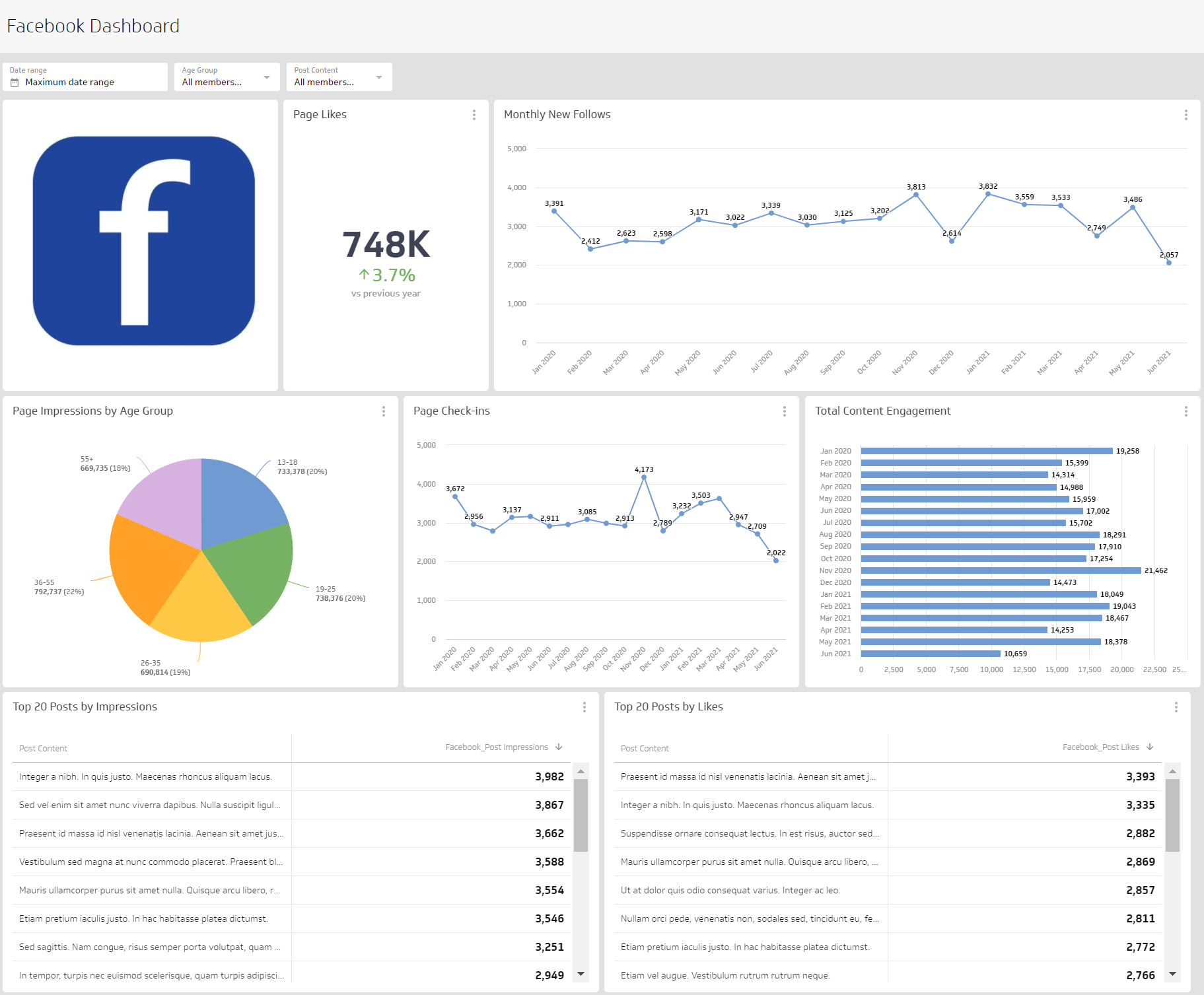
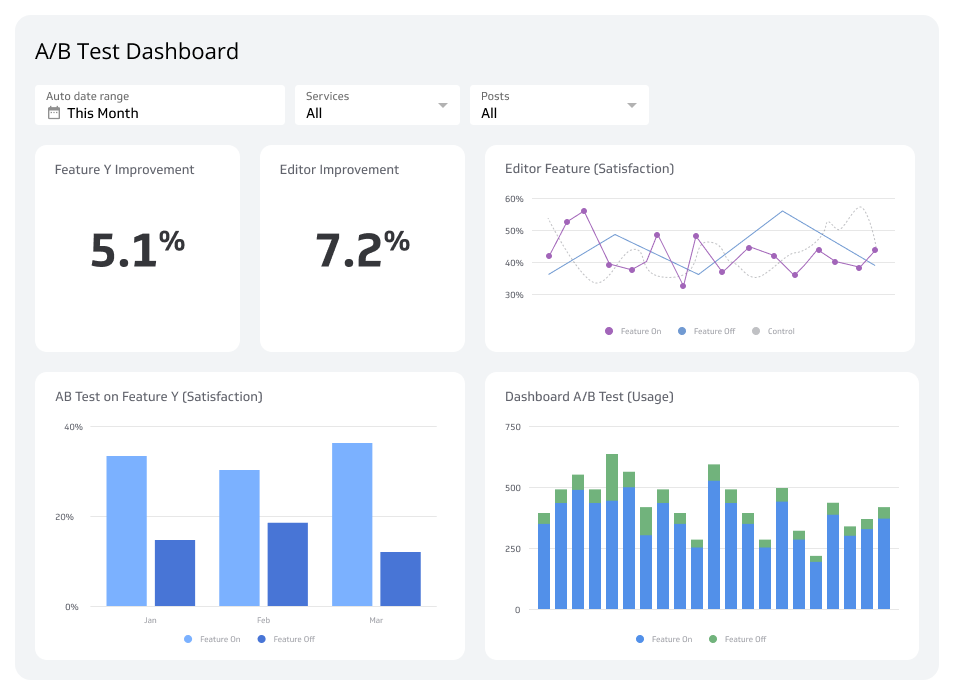
A real-time dashboard gives managers the visibility to act on ACW without waiting for a weekly report or asking someone to pull the numbers. Useful views include:
- Daily or weekly average ACW compared to your target
- Trends over time to spot improvements or deterioration
- ACW by agent or team to identify coaching opportunities
- ACW by call type to understand which interactions generate the most post-call work
When this data is centralized and current, you know where things stand without having to chase it. That's the difference between managing reactively and staying ahead of the problem.