Repurchases of Services Following Project Completion
Measure the percentage of clients who hire you again after a project ends, and what that tells you about service quality, loyalty, and growth.
Repurchase Rate Following Project Completion
What is Repurchases of Services Following Project Completion?
Repurchases of Services Following Project Completion measures the percentage of clients who hire you again after a project ends. It tells you whether your work earns the next engagement.
Overview
When a project wraps up, a client makes a quiet decision: come back, or move on. Repurchases of Services Following Project Completion captures how often they choose to come back.
For service businesses, that number matters more than most. Winning a repeat client costs far less than acquiring a new one, and a high repurchase rate signals that your delivery, communication, and outcomes are landing the way they should. A low rate is worth investigating before it compounds.
This metric is especially relevant for professional services firms: consultancies, agencies, accounting practices, and anyone whose work is structured around discrete projects rather than subscriptions.
Reporting frequency: Monthly
Example of KPI target: 42% repurchases
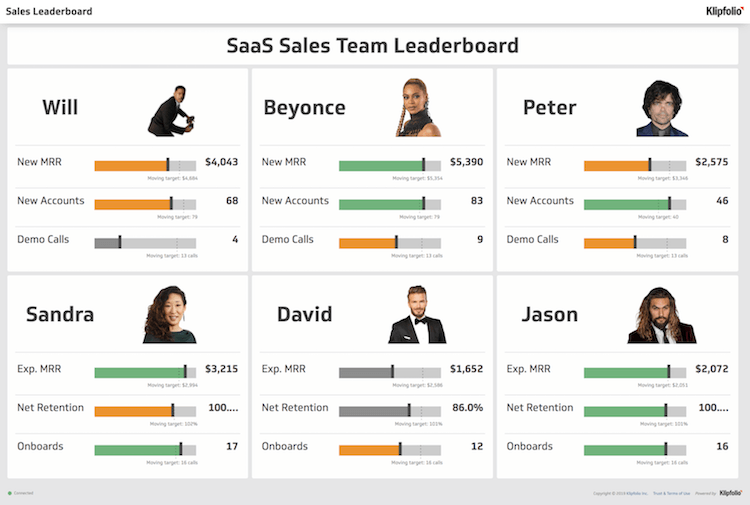
Audience: Sales Manager, Sales Team
Variations: Increase in repurchases following project execution
How to calculate Repurchases of Services Following Project Completion
The formula is straightforward:
Repurchase Rate = (Clients who purchased again / Total clients with completed projects) × 100
Example: If 80 clients completed a project in a given period and 34 returned for another engagement:
34 / 80 × 100 = 42.5% repurchase rate
Track this monthly to spot trends. A rising rate confirms your delivery is creating loyalty. A falling rate is an early signal that something in the client experience needs attention.
Why this metric matters
Repurchase rate is one of the clearest signals of whether your service actually delivers on its promise. A client who returns has made a deliberate choice: they trusted you once, got value, and decided it was worth doing again.
That has direct business implications:
- Lower acquisition costs. Repeat clients require less selling. You skip the prospecting, the pitch, and much of the trust-building that new business demands.
- Higher lifetime value. A client who returns two or three times generates significantly more revenue than a one-time engagement, without proportional increases in cost.
- Stronger referral potential. Clients who come back tend to talk. Repeat business and word-of-mouth often move together.
- A reliable read on service quality. Unlike surveys or satisfaction scores, repurchase behaviour is revealed preference. Clients vote with their next project.
If you are relying on a steady stream of new clients to replace ones who never return, your growth is harder and more expensive than it needs to be.
What influences repurchase rate
Several factors shape whether a client returns after a project closes:
- Outcome quality. Did the work deliver what was promised? Clients who feel the project moved their business forward have a clear reason to return.
- Communication during delivery. Clients who felt informed and involved throughout the project are more likely to trust you with the next one.
- Handoff and wrap-up. How a project ends matters as much as how it goes. A clean close, clear documentation, and a forward-looking conversation about next steps make returning easy.
- Proactive follow-up. Clients rarely reach back out on their own. A timely check-in after project completion, before a need becomes urgent, keeps the relationship warm.
- Perceived value relative to cost. Clients compare what they got against what they paid. If the return feels strong, the decision to re-engage is easy.
How to improve repurchase rate
Improving this metric starts with understanding why clients do not return. Exit conversations, post-project surveys, and win/loss analysis all surface the patterns that aggregate data cannot show.
From there, a few practices tend to move the number:
- Build a structured post-project process. A consistent close, including a debrief, a summary of outcomes, and a conversation about what comes next, turns a finished project into the start of the next one.
- Follow up at the right moment. Timing matters. Reaching out 30 to 60 days after completion, when the value of the work is still fresh, is more effective than waiting until a client has already found someone else.
- Track clients by segment. Repurchase rates often vary significantly by industry, project type, or account size. Knowing where your rate is strongest helps you focus retention efforts where they will have the most impact.
- Make re-engagement easy. Clients who have worked with you before should not have to start from scratch. Familiarity with your process, your team, and your pricing is a genuine advantage; make sure they feel it.
Create custom dashboards for you and your team.
Get started with KlipsHow to track Repurchases of Services Following Project Completion
Tracking this metric well requires connecting your project management data to your CRM. You need to know when projects close, which clients they belong to, and whether those clients appear again as active buyers.
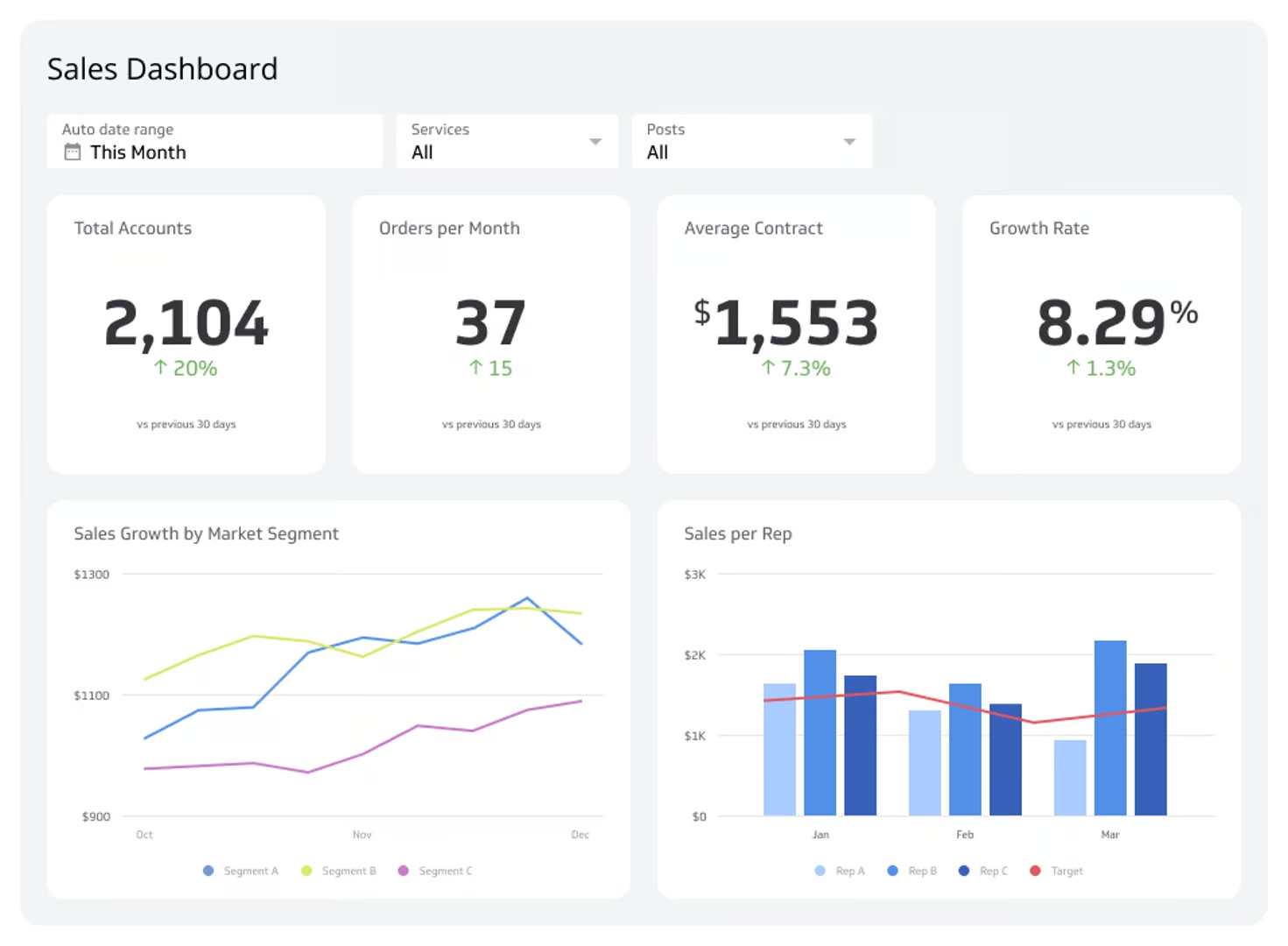
Pulling that together manually is slow and error-prone. A dashboard that connects your data sources and updates automatically means you always have a current view, without waiting for someone to compile a report or paste numbers into a spreadsheet.
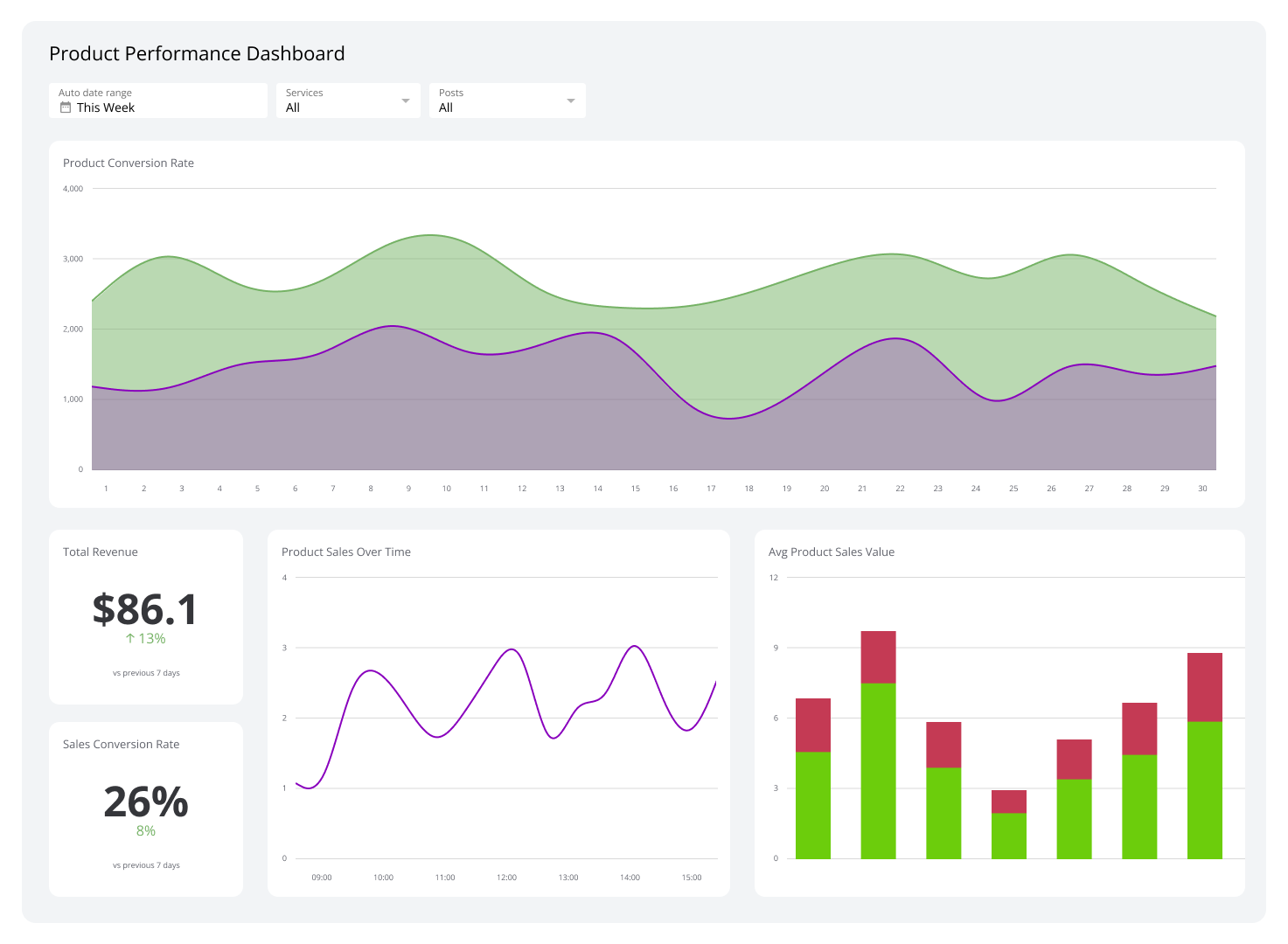
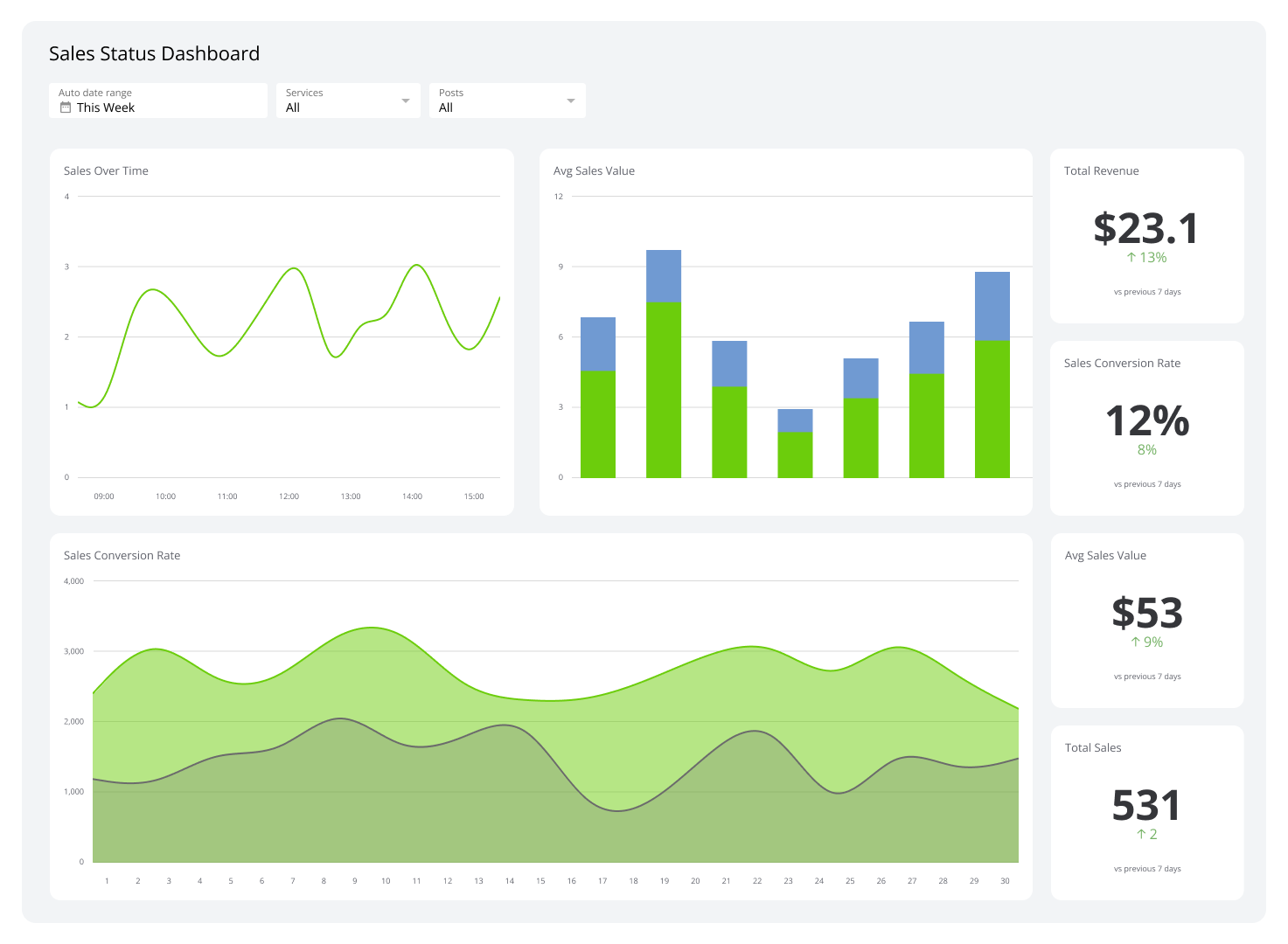
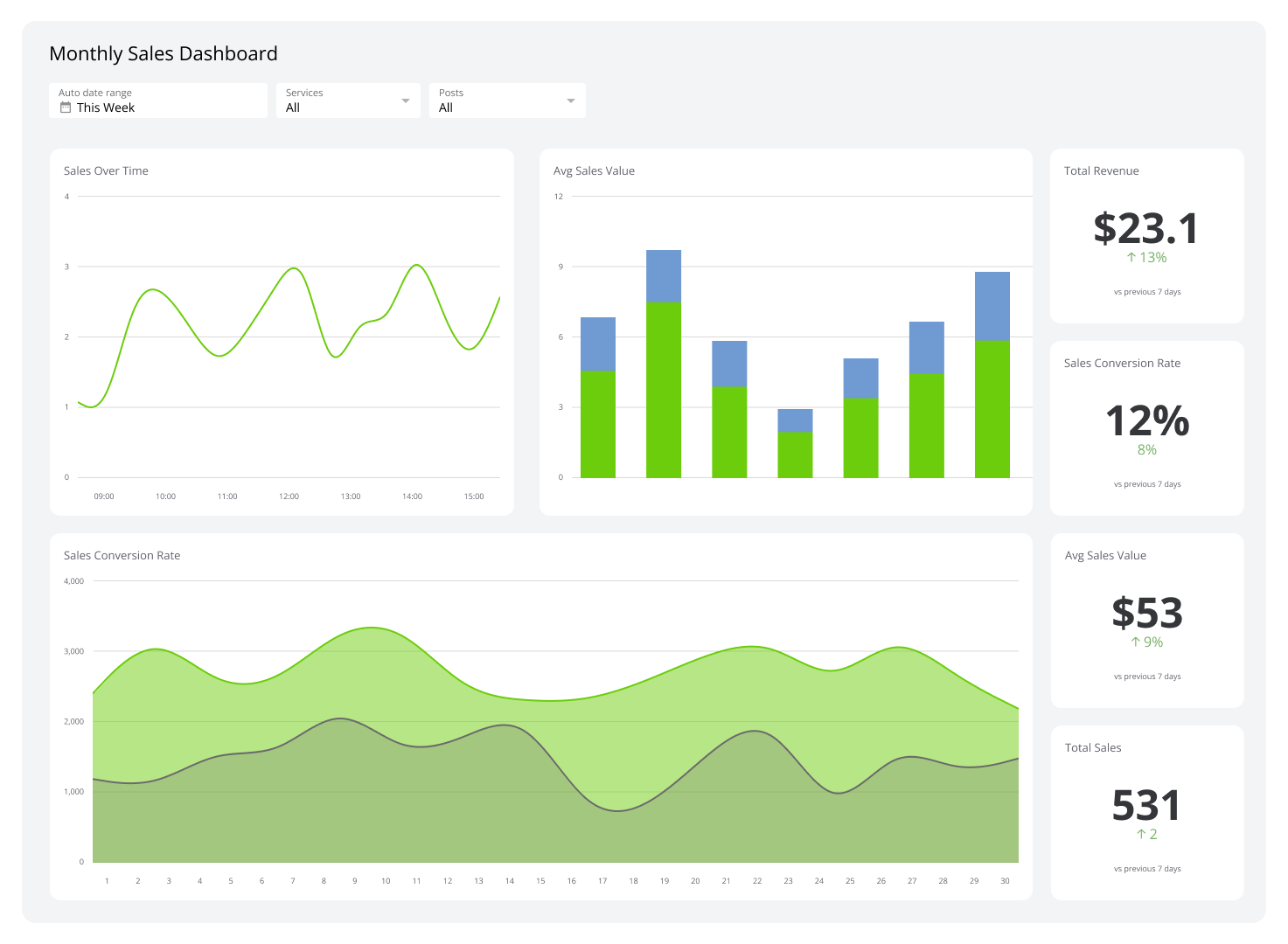
Klips connects to the tools your team already uses and lets you build a dashboard that surfaces repurchase rate alongside the other metrics that tell you whether your client relationships are healthy: lifetime value, churn, and revenue from existing clients. The numbers stay current, stay consistent, and are visible to everyone who needs them.