SEO Keyword Ranking
Measure and analyze your keyword rankings to drive search traffic to your website.
Top keywords by search volume and ranking position
| Keyword | Position | Traffic |
|---|---|---|
| Rompers | 1 | 12,024 |
| Bomber jacket | 2 | 8,947 |
| Halter top | 3 | 7,632 |
| Summer dresses | 5 | 6,284 |
| Cargo pants | 4 | 5,891 |
| Linen shirts | 7 | 4,156 |
| Denim jackets | 6 | 3,742 |
| Casual blazers | 9 | 2,518 |
What is SEO Keyword Ranking?
SEO Keyword Ranking is the position your website holds on a search engine results page (SERP) for a specific search query. Higher positions mean more visibility and more organic traffic.
For search engine marketing, Keyword Ranking is the foundational KPI. It shows whether your website is visible where your potential customers are looking. The top three results capture the majority of clicks, with the first result taking the lion's share.
Why Keyword Ranking matters for your business
Ranking well means your content reaches the right people without paid promotion. But Keyword Ranking alone tells you what is happening, not why. A drop in rankings might signal lost backlinks, a content gap, or a technical issue. You need context.
Track Keyword Ranking alongside other SEO Metrics and KPIs to understand the full picture. Ranking is a leading indicator of organic traffic, and organic traffic is a leading indicator of pipeline.
How to improve SEO Keyword Ranking
Improving your rankings starts with tracking the right keywords. Many teams waste effort monitoring terms that do not connect to business outcomes. Before doing anything else, confirm that the keywords you are tracking align with what your customers actually search for.
Target long-tail keywords. Long-tail keywords are longer, more specific phrases. They offer two clear advantages:
Less competitive: Fewer sites compete for these terms, so ranking is more achievable.
More targeted: Specific phrases signal clearer intent, making it easier to serve the right content to the right searcher.
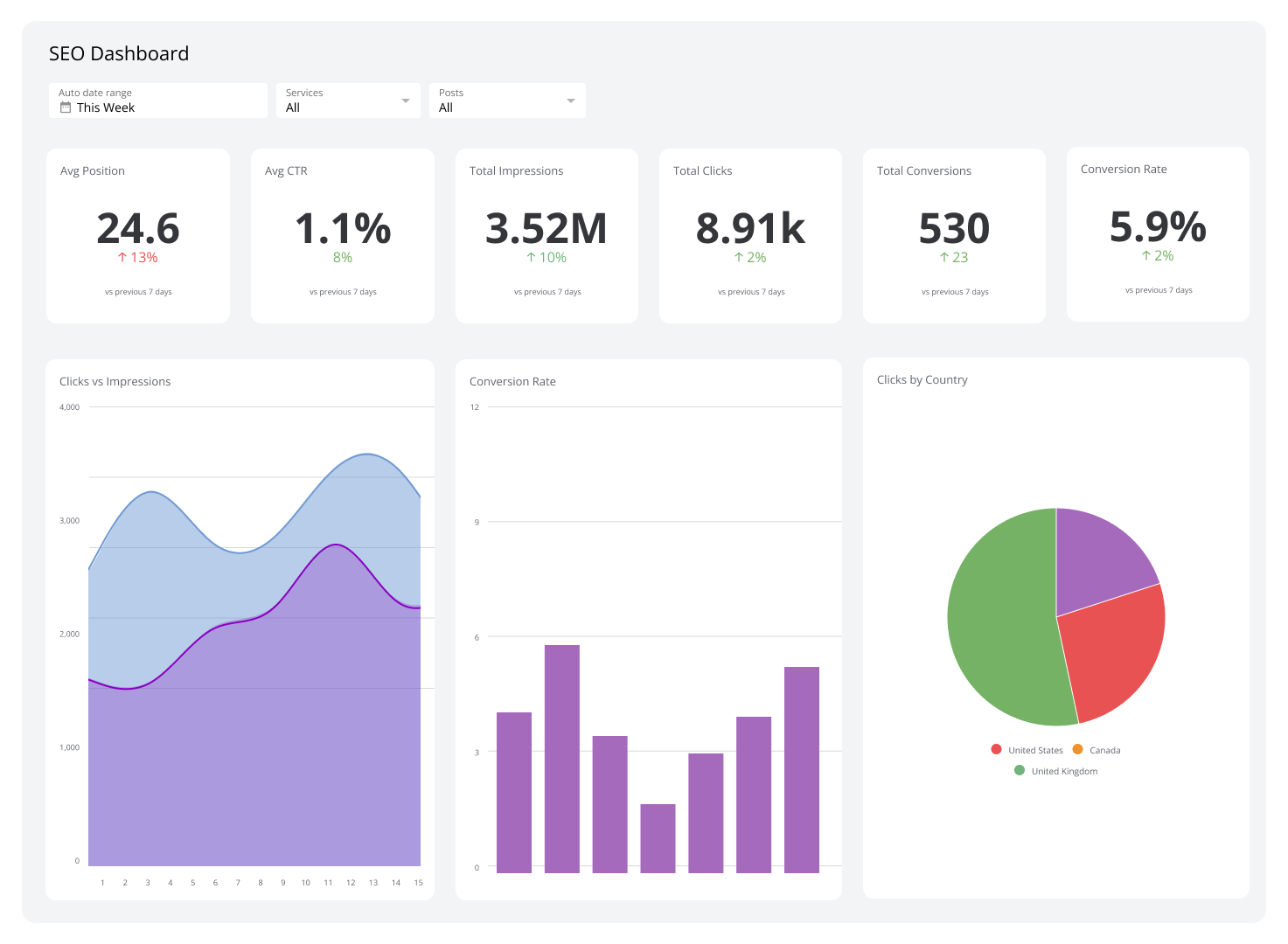
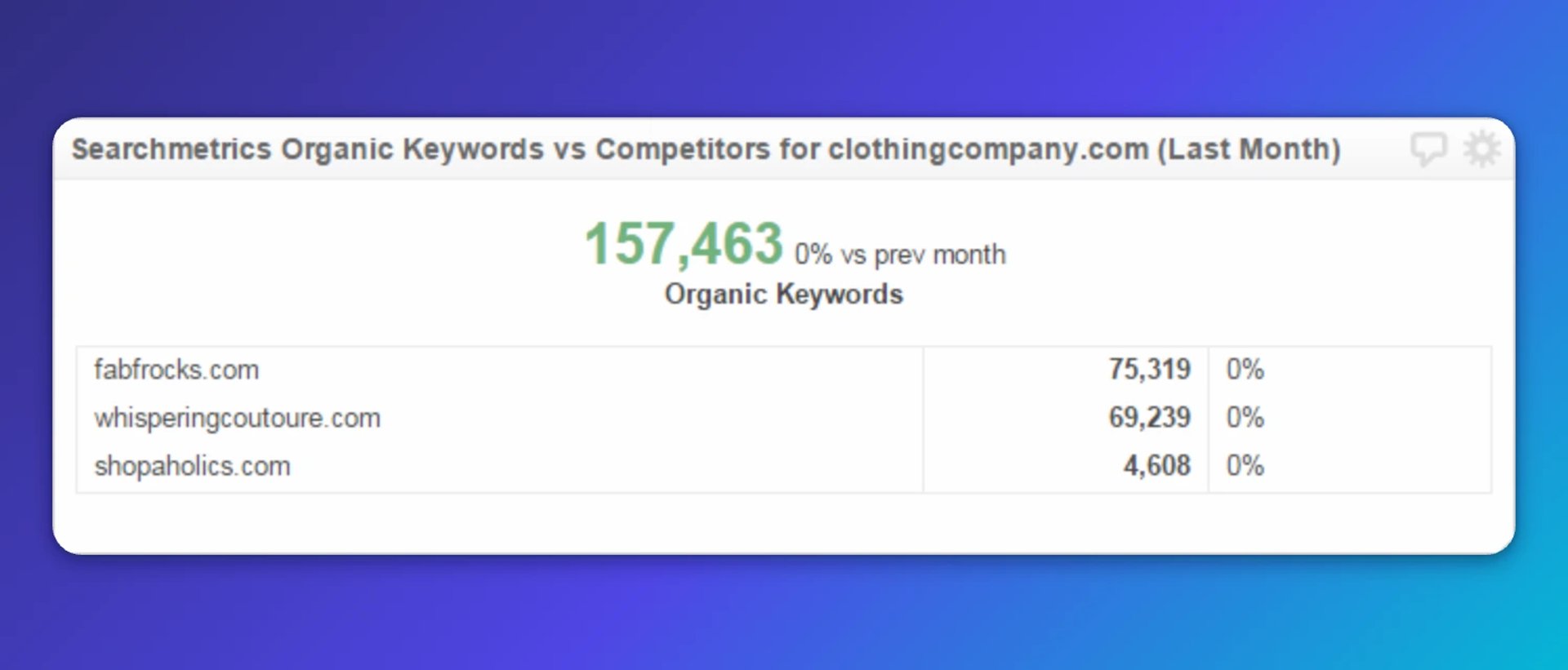
Organise your keywords by purpose. Group keywords by campaign, business goal, or audience segment. An SEO dashboard helps you see which keyword clusters are performing and which need attention. Do not track everything at once. Focus on what moves the needle.
Put keywords in your content. Meta tags matter, but they are not enough. Rankings follow content that earns links, shares, and citations. Write for your reader first. Content that genuinely answers questions tends to rank better and stay ranked longer, which drives sustained SEO traffic.
SEO Keyword Ranking best practices
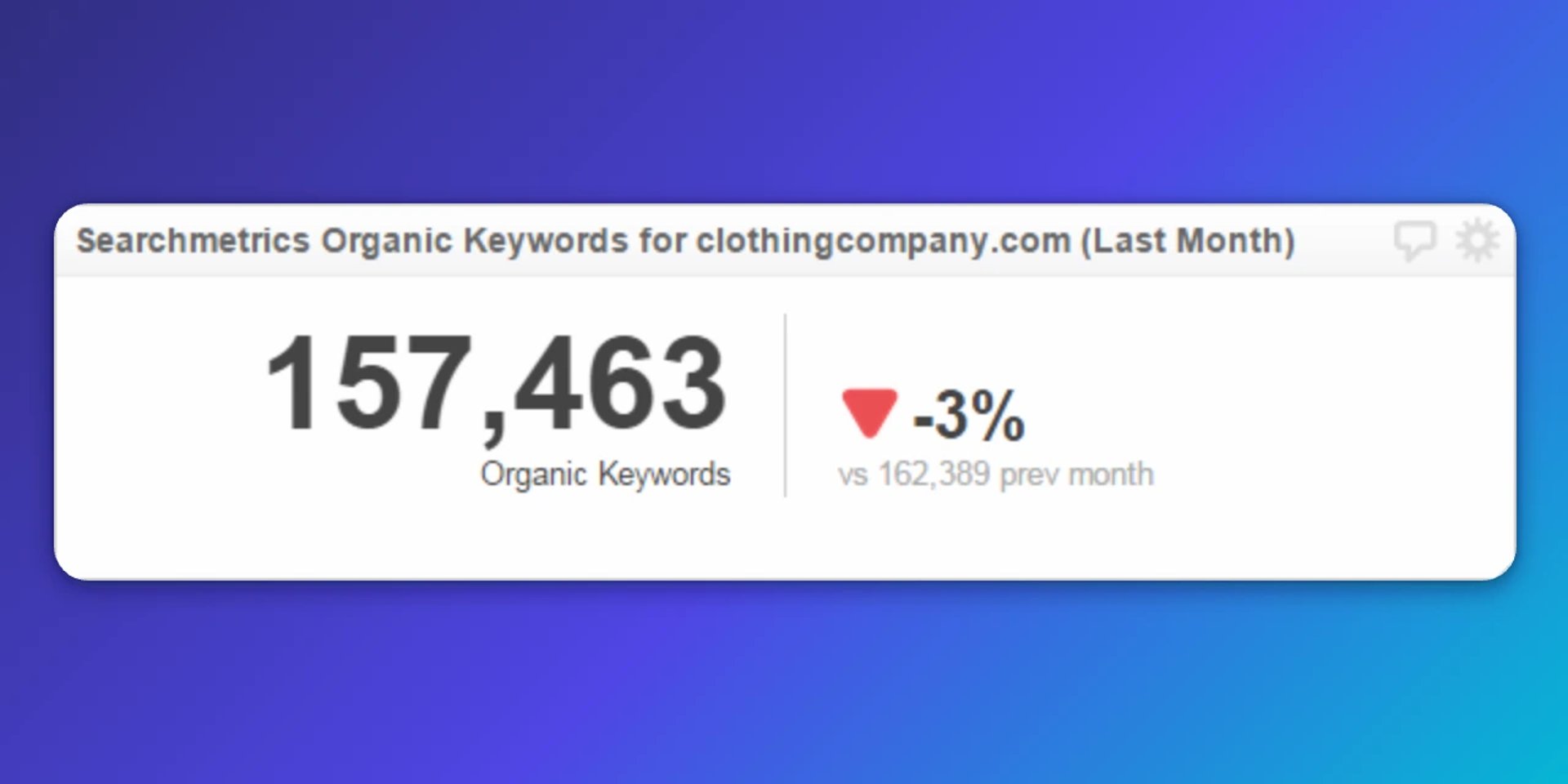
Keyword Ranking requires ongoing monitoring. A decline over several weeks often signals a specific problem, such as lost backlinks or devalued anchor text, that you can diagnose and fix early if you are watching.
The following expert guidance applies whether you are managing rankings for a single site or a portfolio:
From Elisa Gabbert, Content Marketing Manager, Wordstream:
Build site authority over time. The longer your site has been earning links and following technical best practices, the stronger its foundation. Start with Google's Search Essentials if you are unsure where to begin.
Grow a distribution network. Ranking quickly for a keyword is easier when you have an audience to share new content with, whether that is an email list, a blog following, or connections on LinkedIn or X (platform). Think of link building as relationship building.
Research before you commit. Choose keywords with meaningful volume, but not so much competition that ranking is unrealistic.
Evaluate the competition. Know who ranks above you and what they are doing differently.
From Ankit Singla, Founder, BloggerTipsTricks:
Place your primary keyword early. Include it within the first 100 words and reference it again in the conclusion.
Check keyword difficulty before targeting. Assess how many pages rank for the term, how many advertisers bid on it in paid search, what clicks cost, and what the monthly search volume looks like.
Be careful with internal linking when rankings drop. Do not suddenly add internal links to a page that is losing ground. Instead, try linking from pages that already reference the declining page, rather than forcing new links.
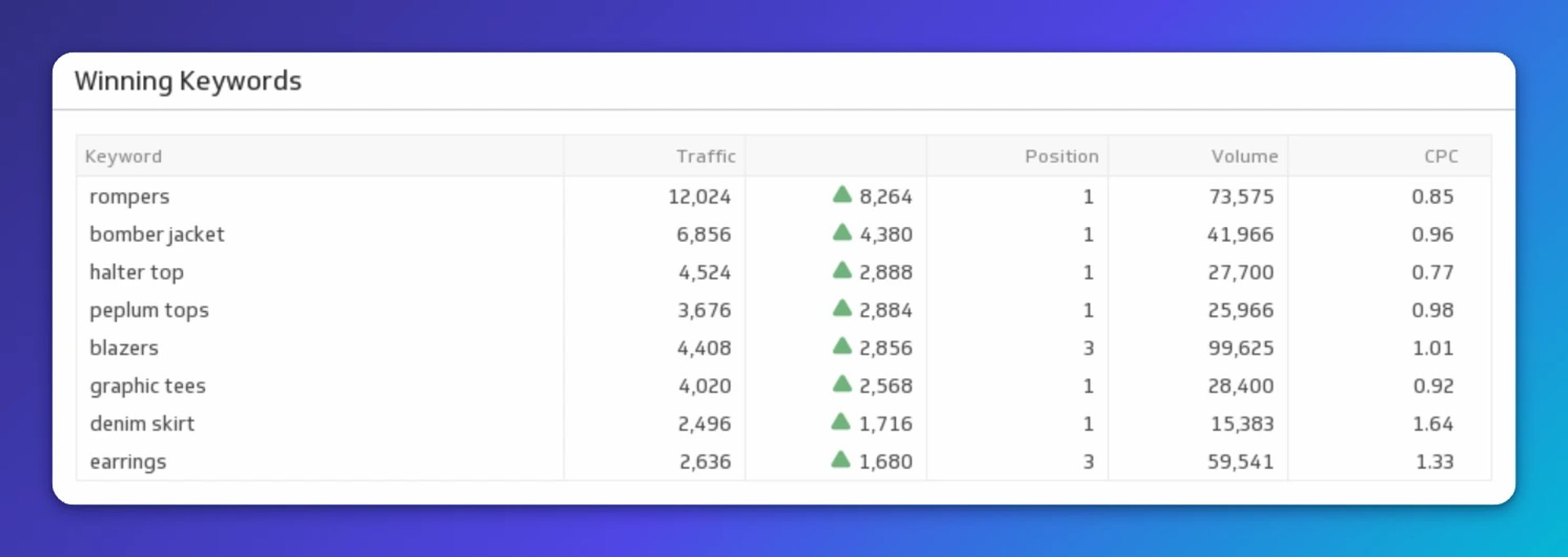
How to monitor SEO Keyword Ranking
Keyword Ranking is more useful when you see it alongside the metrics it influences. A keyword moving from position 8 to position 3 should show up in your click-through rate. A page ranking well but converting poorly points to a content or offer problem, not an SEO one.
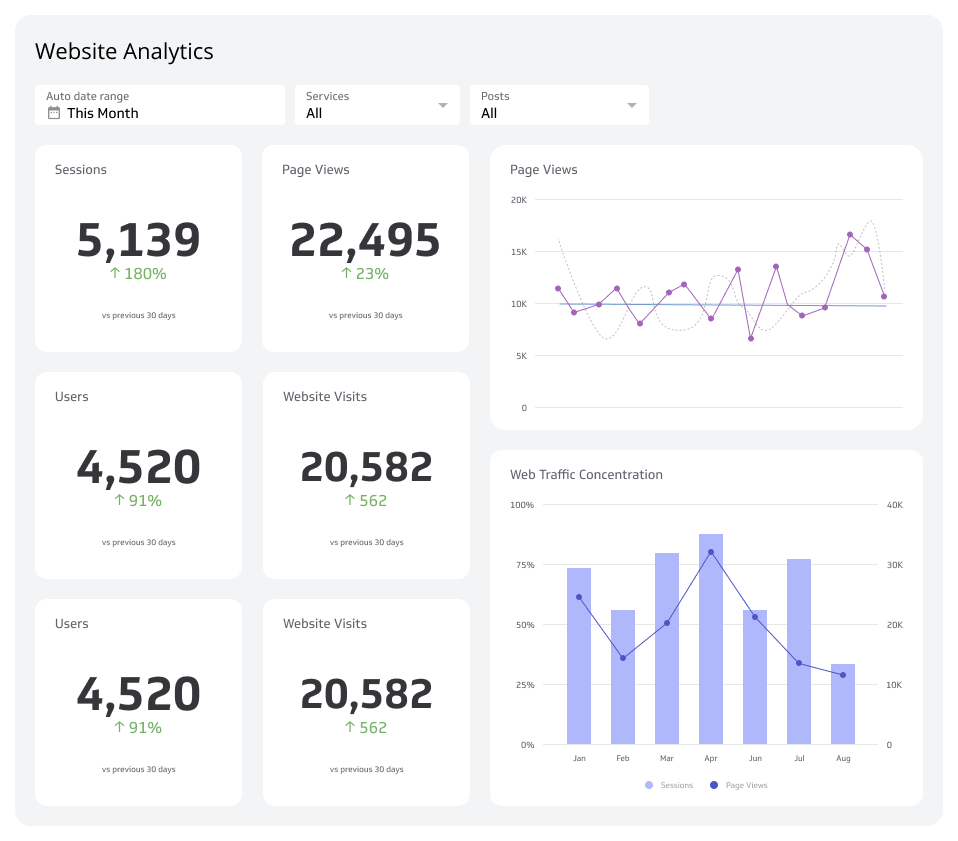
Monitor Keyword Ranking alongside click-through rates, link-building metrics, and marketing return on investment to connect rankings to real business outcomes. A Marketing Dashboard in Klipfolio brings these metrics together in one view, so you know what changed, why it matters, and what to do next, without pulling numbers from five different tools.
Create custom dashboards for you and your team.
Get started with KlipsSEO Keyword Ranking resources
How to rank for a keyword in 10 steps, Elisa Gabbert
9 tips to improve keyword ranking in Google easily, Mohit Chabria