
How Food-Tech Pioneer Drove Early-Stage Growth and Impact
Determined to maximize its impact on global food waste, Karma needed better visibility into how their product was being used. To do this, they turned to Klipfolio’s real-time dashboard solutions, Klips, to refine their product strategy and scale with greater purpose.

- Industry
- Food Services and Restaurants
- Use case
- Real-time Performance Visibility
Without clear visibility into user behaviour, feature adoption, and key growth metrics, early-stage companies can easily miss valuable opportunities. This was the challenge Karma, a forward-thinking food-tech startup on a mission to reduce food waste, faced. To stay on top of their growth, Karma started using Klipfolio’s real-time dashboard solution, Klips, to consolidate their scattered data and turn it into clear, actionable insights.
Introducing Karma
Karma is a food-tech startup from Stockholm, launched in November 2016 by Hjalmar Ståhlberg Nordegren, Elsa Bernadotte, Ludvig Berling, and Mattis Larsson. Their mission is simple but powerful: fight global food waste by connecting restaurants, grocery stores, and cafés with people looking for great food at lower prices. In just a few years, Karma had grown to over 1.4 million app users and partnered with more than 9,200 food sellers across 150+ cities.
In its early days, Karma wasn’t always sure where it fit in the market. The app offered a variety of promotions (such as clothing and food deals), but the team struggled to pinpoint what truly resonated with their users.
To understand the ‘why,’ they spoke directly with the restaurants and shops using the app. That’s when the real problem became clear: they found that a lot of food produced goes to waste. Even the most efficient restaurants and supermarkets weren’t immune. The team realized their biggest opportunity and biggest impact was in tackling surplus food. So they made a bold pivot: Karma would focus entirely on saving food from going to waste.
The shift paid off; retention tripled, and the company secured €600k in impact funding. But with success came a new challenge: more users meant more data. Keeping up with custom behaviour and feature performance through manual Excel exports was no longer sustainable. They needed a smarter way to track and analyze behaviour. That’s when they turned to Klipfolio Klips.
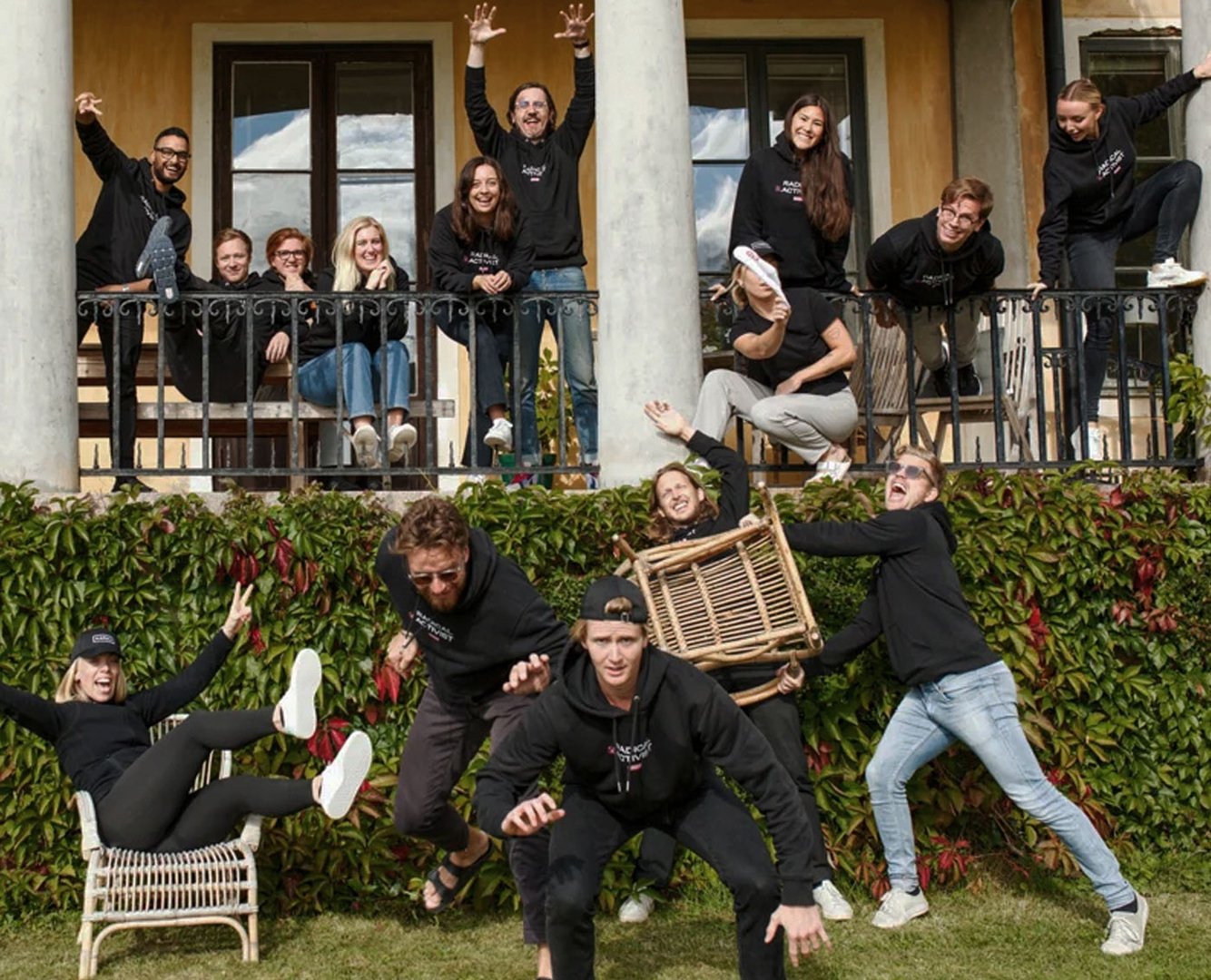
Karma has built a product that not only scales but truly makes a difference.
Want to see what real-time insights can do for your team?

Automating Data Insights with Klipfolio Klips
Klipfolio Klips allowed Karma to automate their data tracking. By connecting directly to their data sources, Klips turned raw numbers into live, visual dashboards. This meant they could track key metrics on the fly, measure the impact of product changes, and spot trends as they emerged.
"It's a 'marriage' between an efficient dashboard and a powerful data management tool." Hjalmar Ståhlberg, CEO & Co-founder of Karma
At first, Karma tracked everything they could but over time, the team realized that more data wasn’t always better.
"At the beginning, we started to measure everything we could. Yet, you grow out your number of metrics more and more and then at some point you have to say ‘which are the 10 most important metrics?’ and strip away the rest. Then you start growing again, and you have to stop and strip away again."
Fortunately, with Klips, they could easily adjust their dashboards as priorities changed, whether that meant narrowing in on key daily KPIs or shifting focus during a new growth phase.
Today, every team at Karma has a dedicated dashboard displayed on a TV screen in their workspace. Each one shows the specific KPIs that the team is responsible for. The sales team, for example, monitors a rolling 30-day view of their numbers to keep performance top-of-mind and take action quickly.
Building a Data-Aware Culture
While the company leans heavily on data, CEO Hjalmar notes they haven’t gone fully ‘data-driven’. Instead, they aim to strike a balance between hard numbers and human insight. For decisions like how much to spend on paid ads, the team relies on data from past campaigns. For others, like addressing seasonal slowdowns, they combine data insights with intuition about customer behaviour.
“It’s very hard to make informed decisions and actions only based on data. Often it’s a bit of a guessing game mixed with data. For example, we saw our sales slow down during Easter, then we guess that we have to do something when people leave town, so they remember that Karma exists.”
Scaling with Impact
Karma had found its momentum, raising €3.4 million in funding from firms like e.ventures and eQuity. A year later, they secured an additional $12 million in Series A funding, with notable support from Kinnevik, an investment firm known for backing high-potential startups.
Along with the funding, co-founders Elsa, Ludvig, and Hjalmar earned a spot on the Forbes 30 Under 30 list for their work tackling global food waste.
Today, Karma partners with over 6,300 businesses and serves more than 890,000 users. Their expansion into the UK includes 1,700+ partner locations in London, and they’ve also launched operations in Paris.
But Karma’s impact goes beyond business growth. So far, the platform has helped rescue 650 tonnes of food, prevented 980 tonnes of CO2 emissions, and offset the equivalent of 65,000 days of car use.
By staying focused on real-time data and continuously learning from their users, Karma has built a product that not only scales but truly makes a difference.
Unlock Growth with Data-Driven Decision Making
Karma’s journey highlights a challenge many growing businesses face: how to move beyond surface-level metrics and uncover the real drivers of success. Manual reporting and scattered spreadsheets work for a while, but they quickly become a bottleneck. To make timely decisions, teams need clear, real-time insights they can trust and act on.
By adopting Klipfolio Klips, Karma was able to automate its data analysis, focus on important KPIs, and build a culture of continuous improvement.