Cost Of Goods Sold (COGS) Vs. Operating Expenses
Cost of Goods Sold (COGS) and Operating Expenses (OPEX) both reduce your profit, but they measure different things. Knowing the difference keeps your pricing accurate, your margins meaningful, and your cost-cutting aimed at the right line.
COGS vs. Operating Expenses
Knowing your numbers is one thing. Knowing which numbers tell which story is another.
Cost of Goods Sold (COGS) and Operating Expenses (OPEX) both reduce your profit, but they measure different things. Confuse them and your pricing is off, your margins are misleading, and your cost-cutting targets the wrong line.
COGS vs. OPEX: the core difference
COGS covers the direct costs of producing what you sell. OPEX covers the indirect costs of keeping the business running. Both appear on your income statement, but they answer different questions and require different responses when they climb.
COGS: direct costs of producing goods and services
Cost of Goods Sold (COGS) is the total of every direct cost tied to producing a product or delivering a service. Raw materials, production labour, and overheads like factory utilities or machinery maintenance all belong here.
COGS directly sets your gross profits. Lower COGS means more margin left over before you've spent a dollar on rent, salaries, or marketing. That's why founders and finance leaders watch it closely: it tells you whether the core business model is working, before overhead enters the picture.
When COGS rises, the right response is usually operational: negotiate better material prices, reduce waste, or improve production efficiency. The goal is to protect margin without cutting quality.
OPEX: indirect costs of running a business
Operating expenses (OPEX) are the costs that keep the lights on, independent of how much you produce or sell. Rent, salaries, insurance, software subscriptions, marketing, and administrative overhead all fall here.
A small retail store might see rent and staff compensation dominate OPEX. A scaling SaaS company might carry significant R&D and customer success costs. The mix changes by industry and growth stage, but the principle is the same: OPEX is what it costs to operate, not to produce.
Monitoring OPEX tells you whether your cost structure is sustainable as revenue grows. If OPEX scales faster than revenue, margins compress even when COGS stays flat.
Why tracking COGS and OPEX matters
Tracking both gives you a complete view of where money is going and why profit moves the way it does.
Accurate profit calculation
COGS and OPEX feed into different profit lines. COGS determines gross profit. OPEX, subtracted from gross profit, determines operating profit. If you only track total expenses, you lose the ability to diagnose which part of the business is under pressure.
A company with strong gross margins but high OPEX needs a different fix than one with low gross margins and lean operations. Separating the two tells you where to focus.
Identifying cost reduction opportunities
When costs rise, knowing whether the increase sits in COGS or OPEX points you toward the right response.
Rising COGS might mean raw material costs have increased, production is inefficient, or a supplier relationship needs renegotiating. Rising OPEX might mean headcount has grown ahead of revenue, or fixed costs like rent are eating into margin. Each problem has a different owner and a different solution.
Tracking both consistently means you catch these shifts early, before they compound.
How COGS and OPEX shape your pricing strategy
Your cost structure sets the floor for pricing. Understanding COGS and OPEX tells you where that floor is and how much room you have above it.
A business with low COGS can price competitively and still protect margin. That's a meaningful advantage in price-sensitive markets.
A business with high OPEX driven by premium service, specialist staff, or prime locations needs to price accordingly. The higher price isn't arbitrary; it reflects real operational investment. Customers paying for quality, service, or convenience are often willing to pay for it, as long as the value is clear.
Pricing strategy is ultimately about positioning, not just covering costs. But you can't position confidently without knowing your numbers at both levels.
Calculating COGS and OPEX
COGS: Beginning Inventory + Purchases & Expenses - Ending Inventory
The COGS formula captures the direct cost of what you actually sold during a period, not everything you produced.
Example: Company A sells handmade candles.
- Beginning inventory: $10,000 in wax and supplies
- Purchases and labour during the month: $5,000 in supplies + $2,500 in labour = $7,500
- Total cost of goods available for sale: $10,000 + $7,500 = $17,500
- Ending inventory (unused supplies): $7,500
- COGS: $17,500 - $7,500 = $10,000
That $10,000 represents the direct cost of the 800 candles sold, not the 1,000 produced. The unsold inventory carries forward to the next period.
OPEX: Total Expenses - COGS
OPEX is what remains after you strip out COGS from total expenses on the income statement.
Example: A company's total annual expenses are $100,000. COGS is $40,000.
OPEX = $100,000 - $40,000 = $60,000
That $60,000 covers rent, salaries, insurance, marketing, and other indirect costs of running the business, none of which are tied directly to producing a specific unit.
Create custom dashboards for you and your team.
Get started with KlipsPutting COGS and OPEX to work
Knowing these numbers is the starting point. Acting on them is where the value shows up.
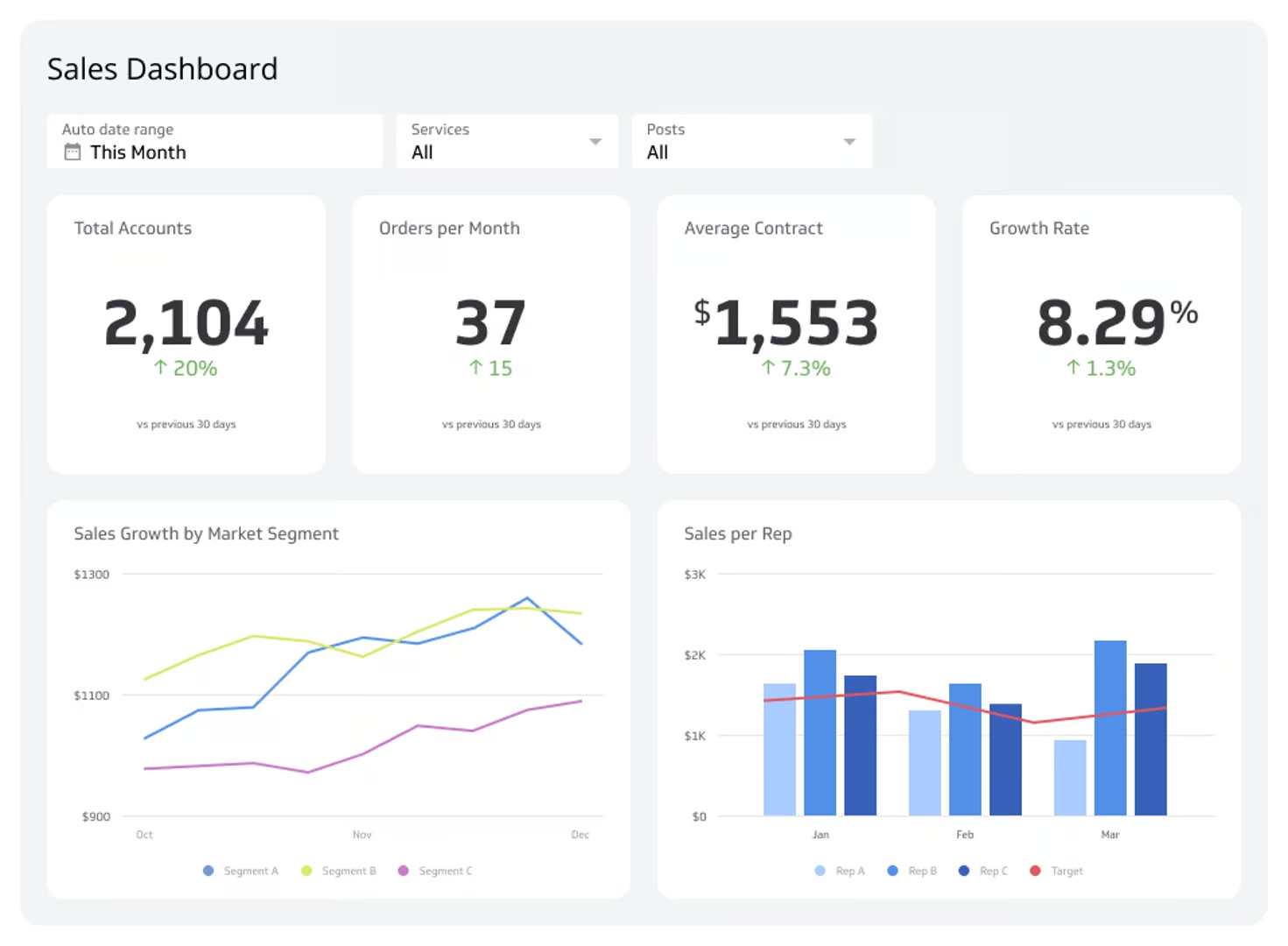
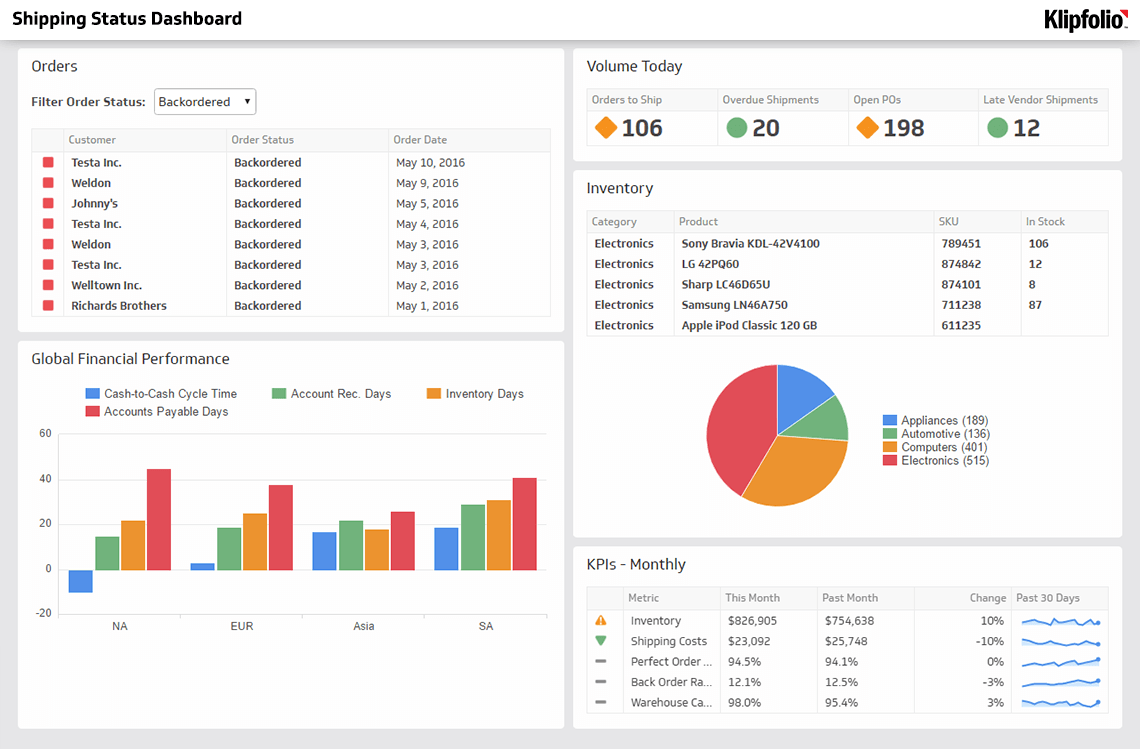
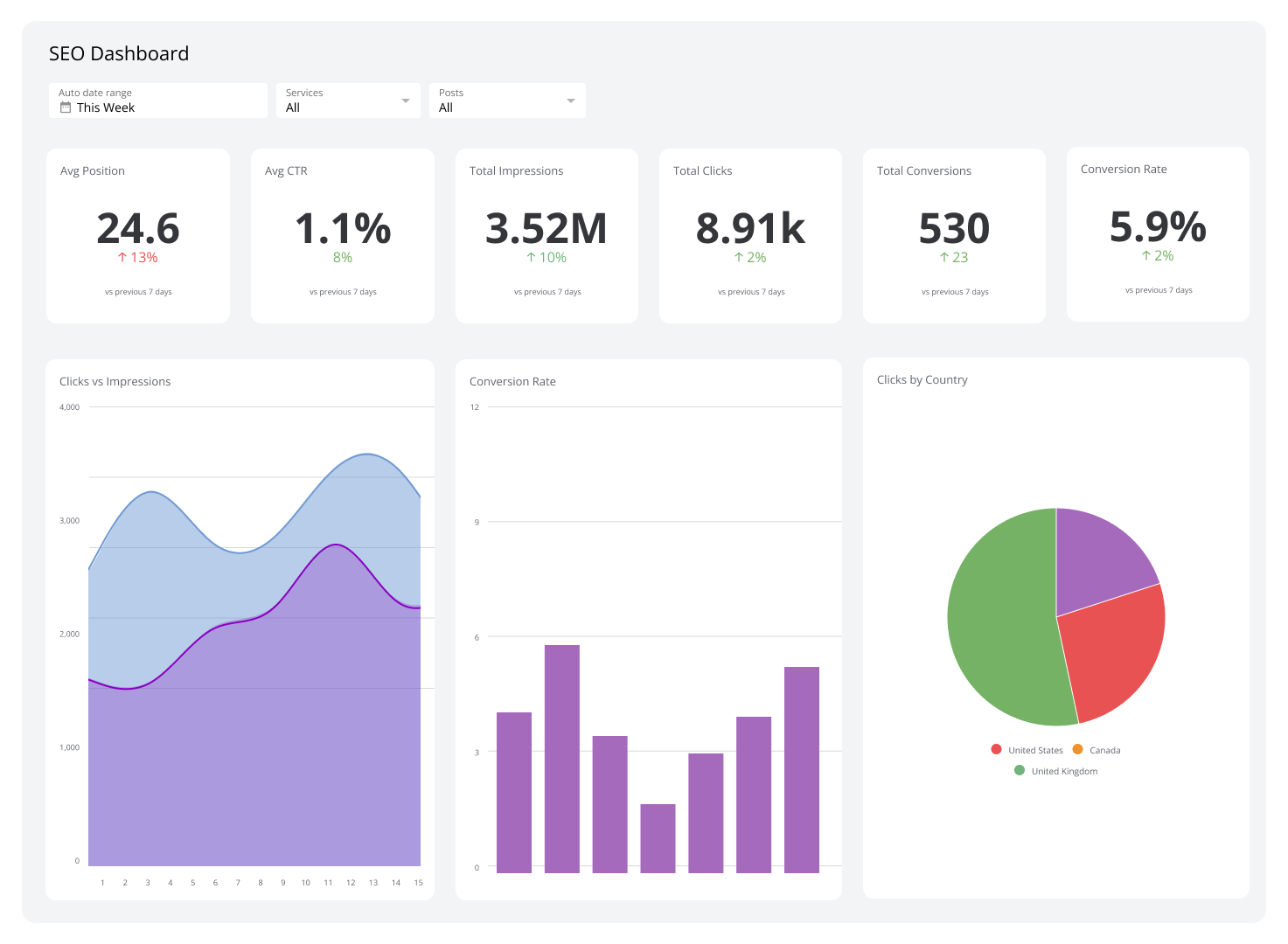
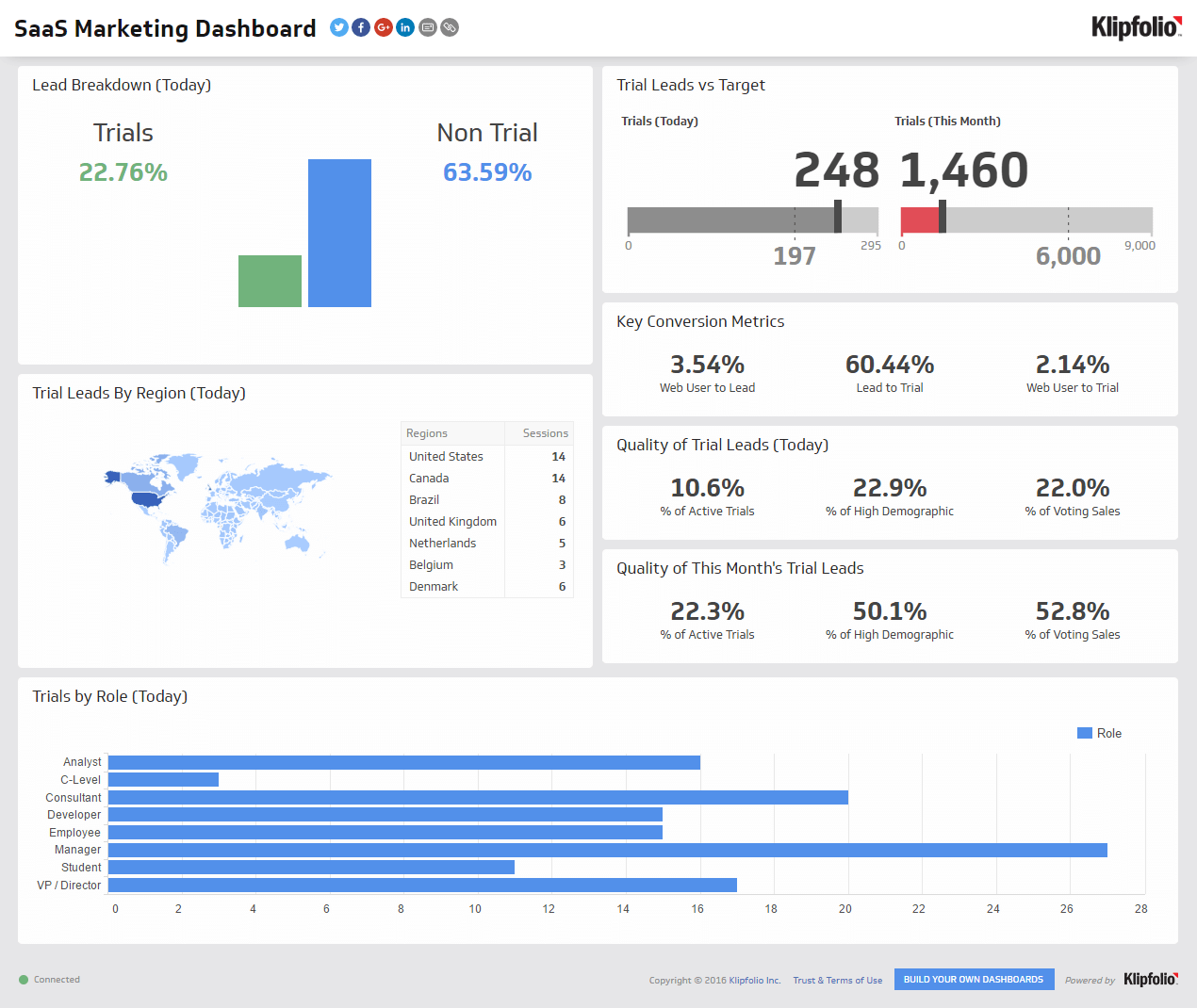
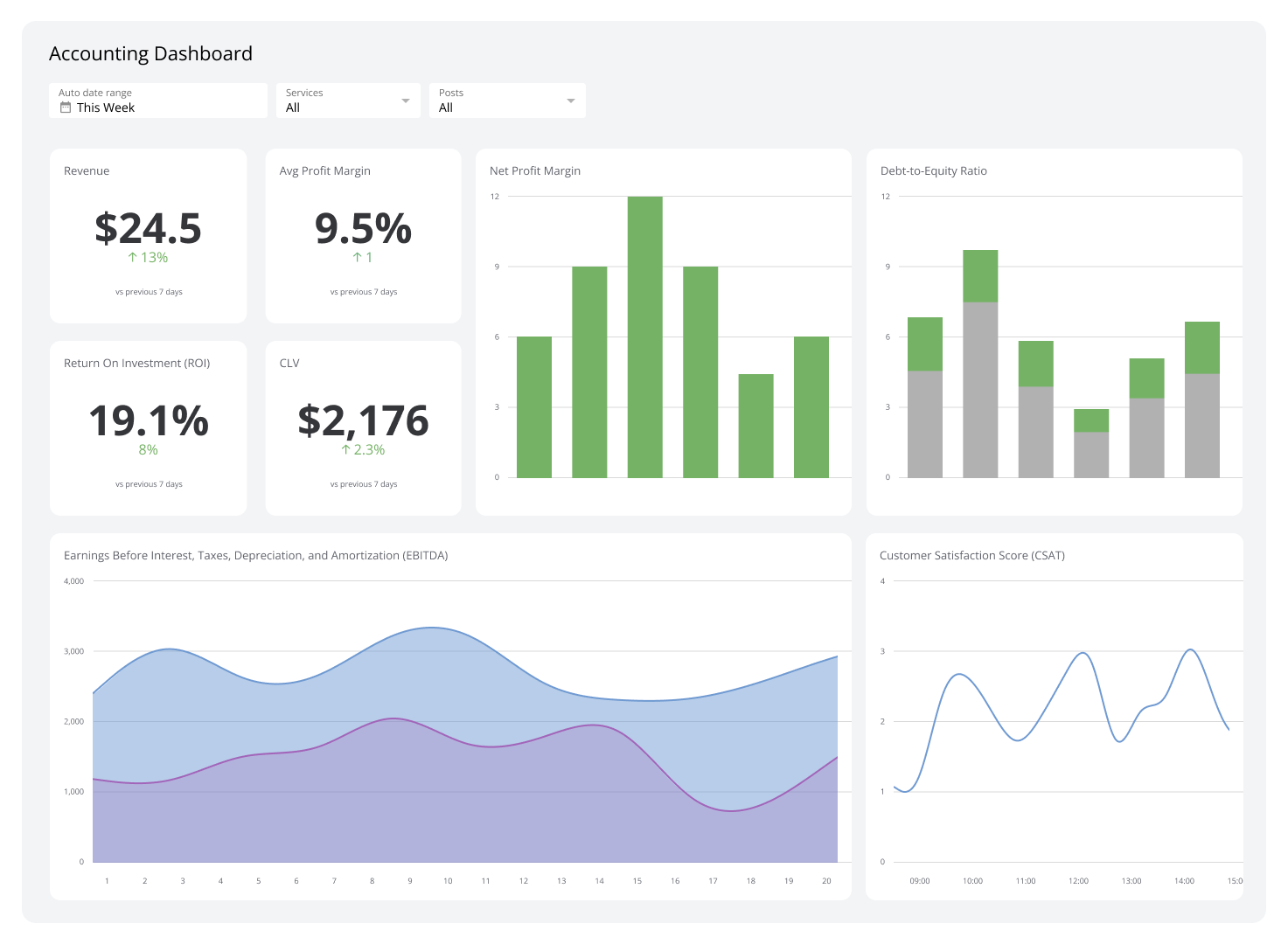
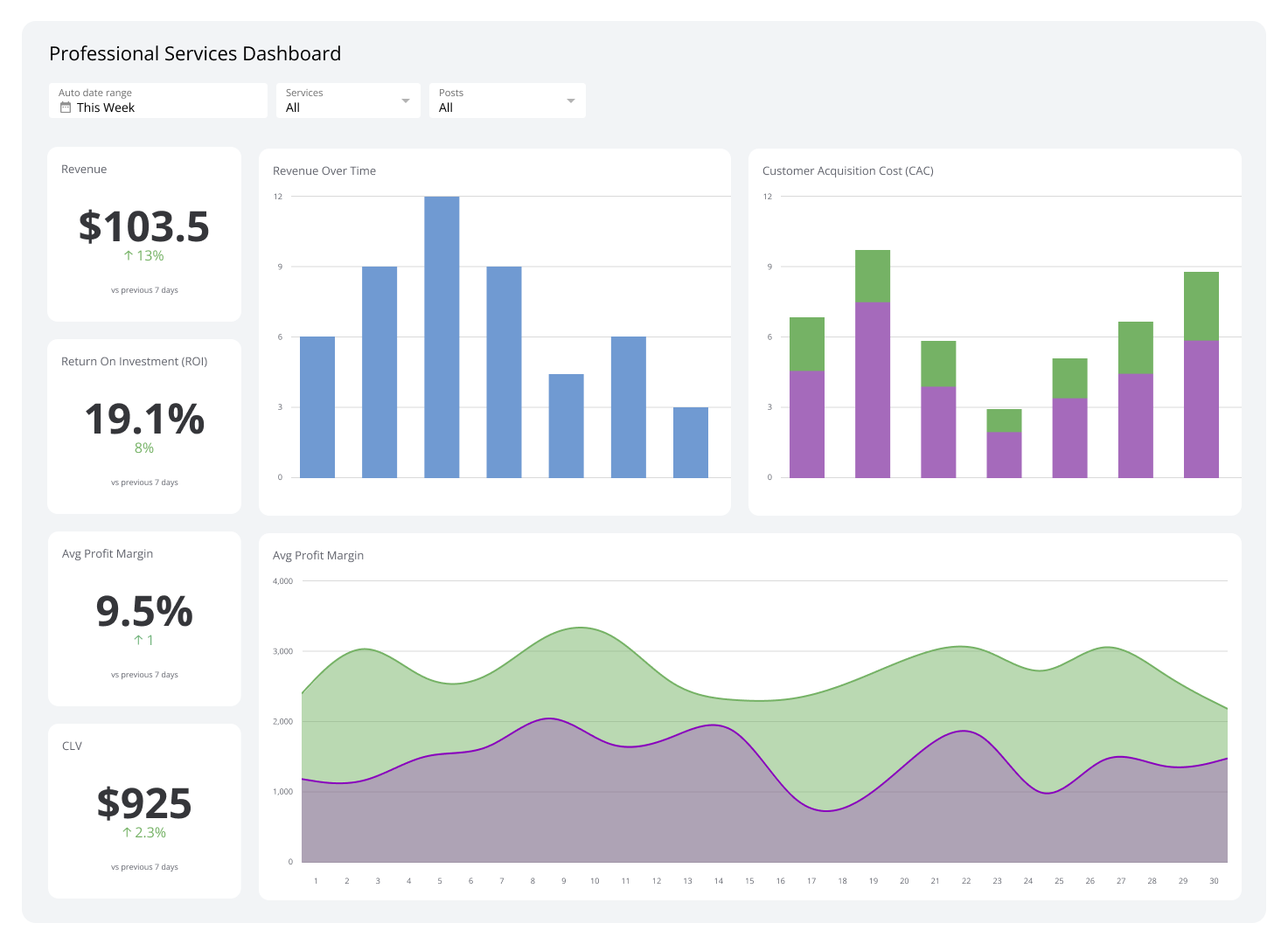
A dashboard that tracks both COGS and OPEX alongside gross profit and net income gives you a live view of your cost structure, not a monthly surprise when the income statement lands. You see margin shifts as they happen, not after the fact.
That's the difference between managing your financials and just reporting them.