Operating Expenses (OPEX)
Operating expenses, or OPEX, are the costs a business incurs to keep daily operations running: rent, salaries, utilities, office supplies, maintenance, and more. Knowing what they are, and keeping them in check, is one of the clearest levers you have on profitability.
Operating Expenses
- Payroll and benefits812k
- Sales and marketing396k
- Facilities238k
- Software and IT184k
- Professional services112k
- Travel58k
Operating expenses, or OPEX, are the costs a business incurs to keep daily operations running: rent, salaries, utilities, office supplies, maintenance, and more. Knowing what they are, and keeping them in check, is one of the clearest levers you have on profitability.
What are Operating Expenses?
Operating Expenses (OPEX) are expenditures a business incurs as part of its normal day-to-day operations, such as rent, travel, utilities, salaries, office supplies, maintenance and repairs, property taxes, and depreciation.
These costs appear on the income statement and reflect what it takes to keep the business running, separate from capital investments or one-time expenditures.
Fixed, variable, and semi-variable operating expenses
Operating expenses fall into three categories, each behaving differently as your business grows or contracts.
Fixed operating expenses stay constant regardless of production or sales volume. Rent, property taxes, and insurance premiums are typical examples. You pay the same amount whether revenue is up or down.
Variable operating expenses move in direct proportion to output. When production increases, utility bills and material costs rise with it. When output drops, so do these costs.
Semi-variable operating expenses have both a fixed floor and a variable ceiling. Staffing costs are a common example: base salaries are fixed, but overtime pay during peak periods adds a variable layer on top.
Understanding which category each expense falls into helps you forecast more accurately and spot where you have room to cut.
Why managing operating expenses matters
Every dollar you spend on operations is a dollar that doesn't reach your bottom line. Keeping Operating Expenses in check directly improves profit margins, and it gives you more capital to reinvest in growth.
Beyond the numbers, tracking Operating Expenses consistently gives you something more valuable: confidence in your decisions. When you know where the money is going, you can make staffing, marketing, and budget calls based on facts, not gut feel. A small team that monitors OPEX closely can operate with the discipline of a much larger organization.
That kind of clarity is hard to get from a spreadsheet you update manually or a report you wait on someone else to pull. The leaders who stay on top of operating costs are the ones who know their numbers without having to ask.
Examples of operating expenses
The following are common operating expenses businesses incur in day-to-day operations.
Rent and lease payments
Rent and lease payments cover the cost of office space, equipment, or other assets required to operate. These are typically fixed costs. A business leasing office space for $3,000 per month pays that amount regardless of whether it was a strong revenue month or a slow one.
Wages and salaries
Wages and salaries are the compensation paid to employees across all levels, from frontline staff to executives. Payroll is often the largest single operating expense for service-based businesses, which makes it worth reviewing regularly against output and revenue.
Utilities and maintenance costs
Utilities and maintenance include electricity, water, gas, and the upkeep of equipment and facilities. Energy-efficient practices, such as LED lighting or addressing heating and cooling inefficiencies, can meaningfully reduce these costs over time without affecting operations.
Marketing and advertising expenses
Marketing and advertising cover online ads, social media campaigns, direct mail, and other promotional activity. Tracking Return on Investment by channel tells you which spend is working. If social advertising consistently outperforms print, that's a signal to reallocate, not just a data point.
Create custom dashboards for you and your team.
Get started with KlipsOffice supplies and inventory
Office supplies and inventory include paper, printer consumables, filing materials, and other day-to-day items. An inventory tracking system helps you monitor usage in real time, reduce waste, and reorder before you run out, keeping these costs predictable and within budget.
How to manage operating expenses
Managing Operating Expenses well is less about cutting everything and more about spending deliberately. Here are five approaches that work.
Conduct regular expense audits
Review your operating expenses on a set cadence, quarterly at minimum. Look at each category: rent, salaries, utilities, marketing, supplies. Identify what's growing faster than revenue and what's generating return. A regular audit surfaces patterns you'd miss if you only look when something goes wrong.
Cut costs without cutting quality
Cost-cutting measures work best when they target waste, not value. Before reducing any expense, ask whether it directly supports revenue or customer satisfaction. Cuts that compromise either tend to cost more in the long run than the savings they generate.
Renegotiate vendor contracts
Suppliers want to keep your business. If your purchasing volume has grown, or if you're willing to commit to a longer contract, use that as leverage to negotiate better rates. Even modest discounts on recurring expenses, like marketing agency retainers or software subscriptions, compound significantly over a year.
Reduce energy consumption
Lowering your utility bills is one of the more straightforward ways to reduce Operating Expenses without touching headcount or quality. Switching to energy-efficient equipment, addressing air leaks, and shifting to renewable energy sources where feasible all reduce costs over time. Around 70% of consumers say a company's environmental practices factor into their purchasing decisions, so the brand benefit is real too.
Outsource selectively
Outsourcing functions like IT support or accounting to specialized providers can reduce the need for additional office space, equipment, and full-time headcount. The key is being clear about service level expectations before you sign anything. Weigh the total cost of an external provider against what it would take to do the same work in-house, including management time, before deciding.
Tracking Operating Expenses with a dashboard
Monitoring Operating Expenses manually, whether through spreadsheets or pasting figures into a report, creates lag and leaves room for error. By the time you notice a cost category trending up, you've already spent the money.
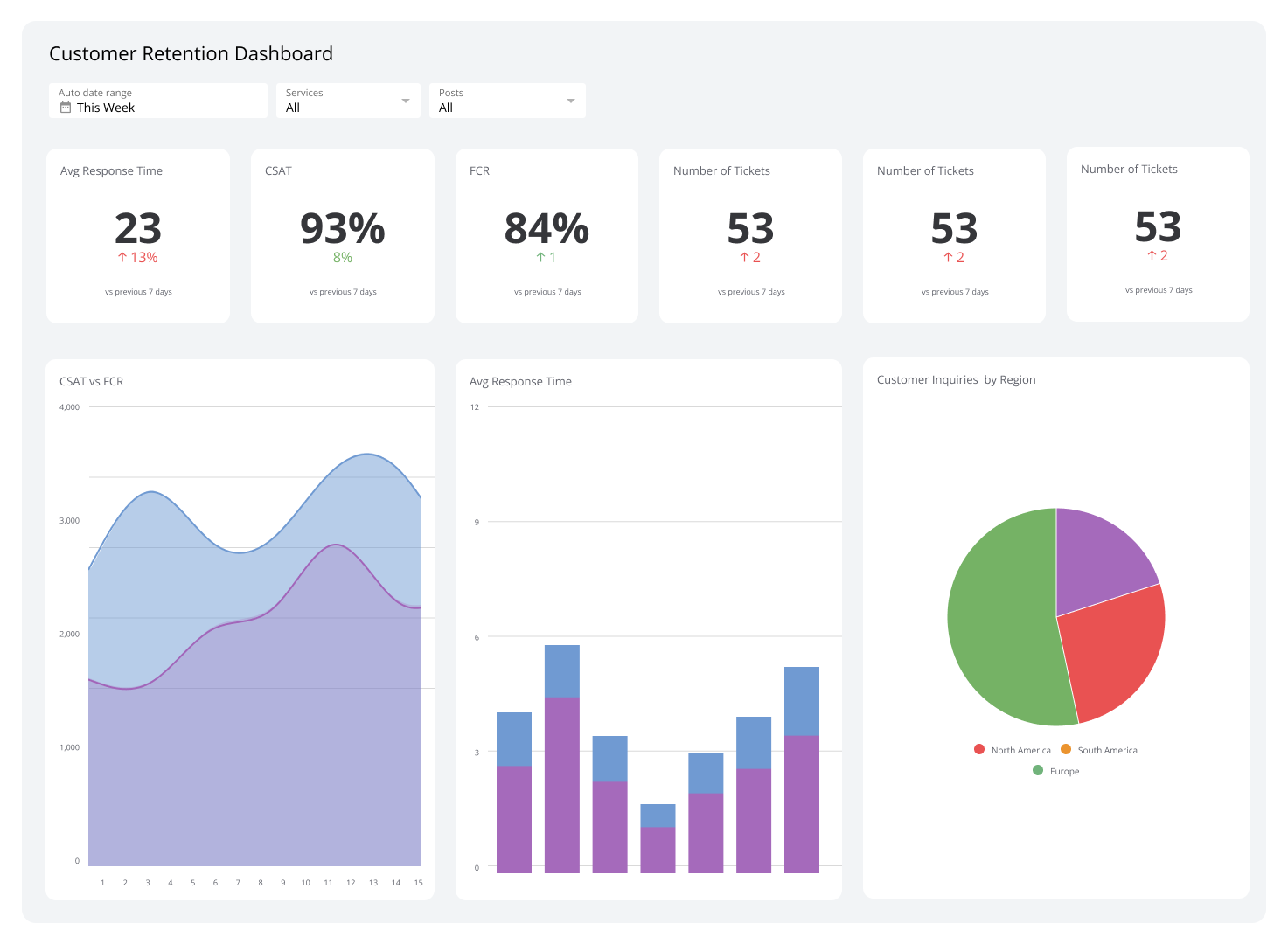
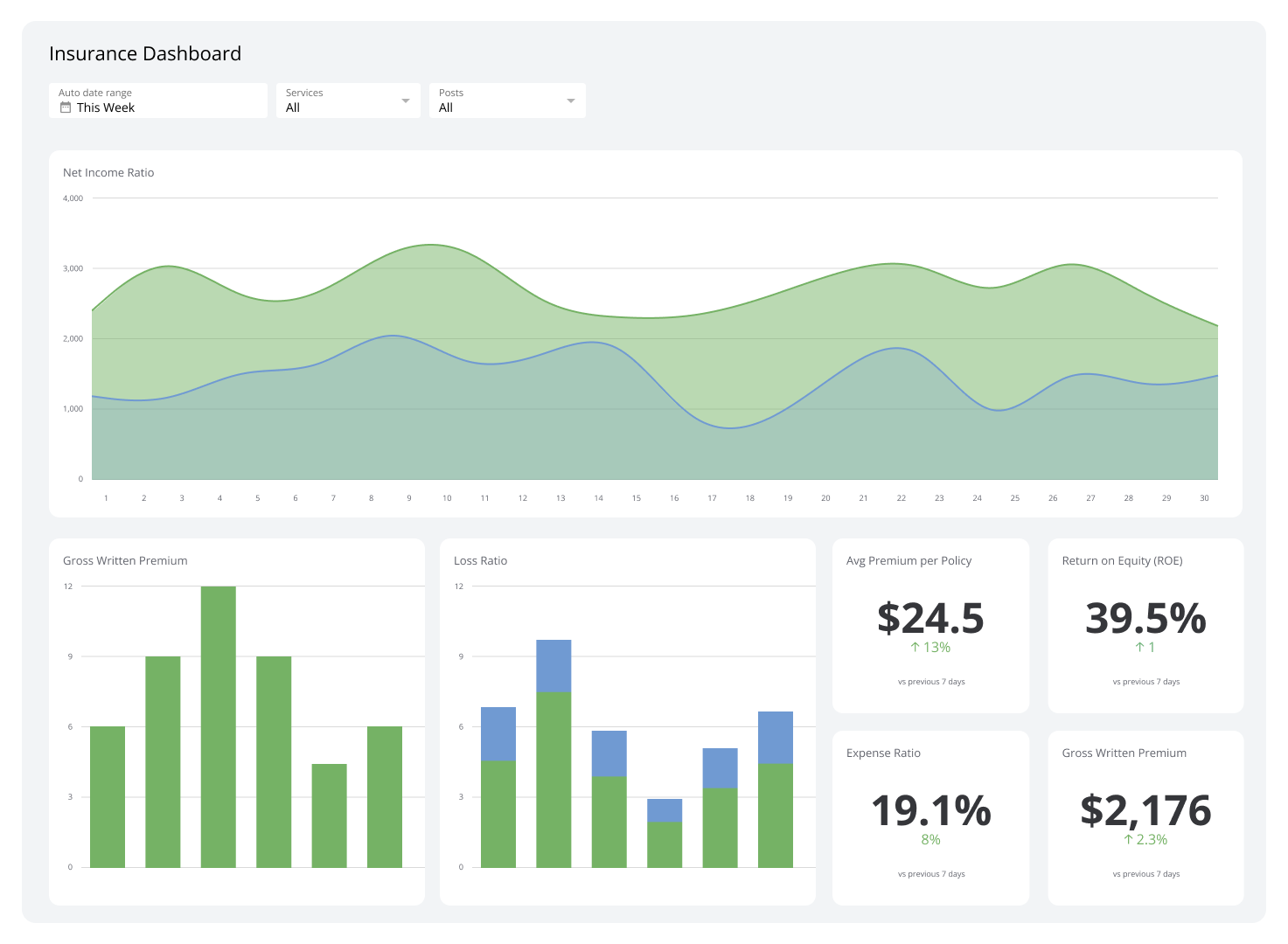
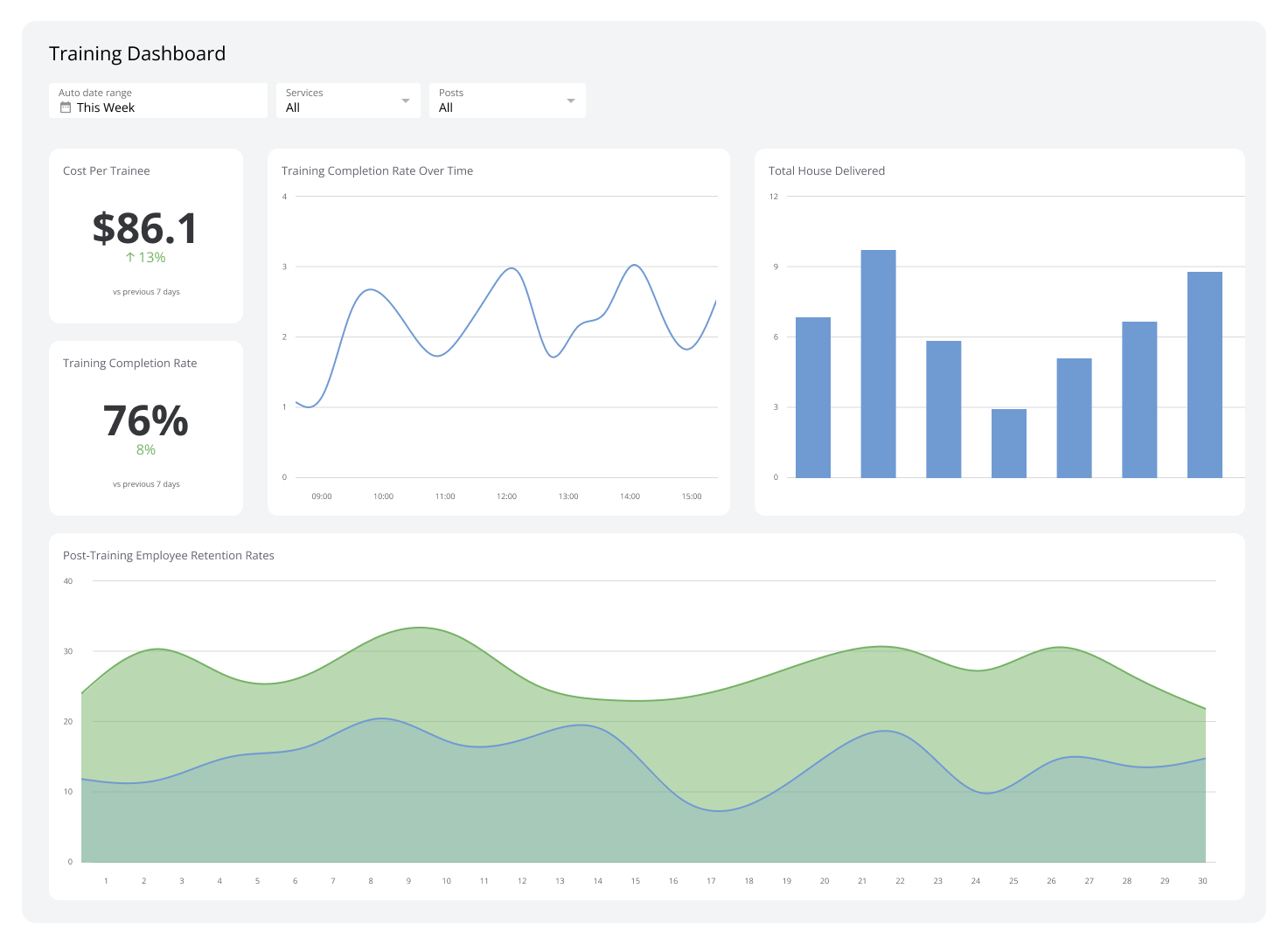
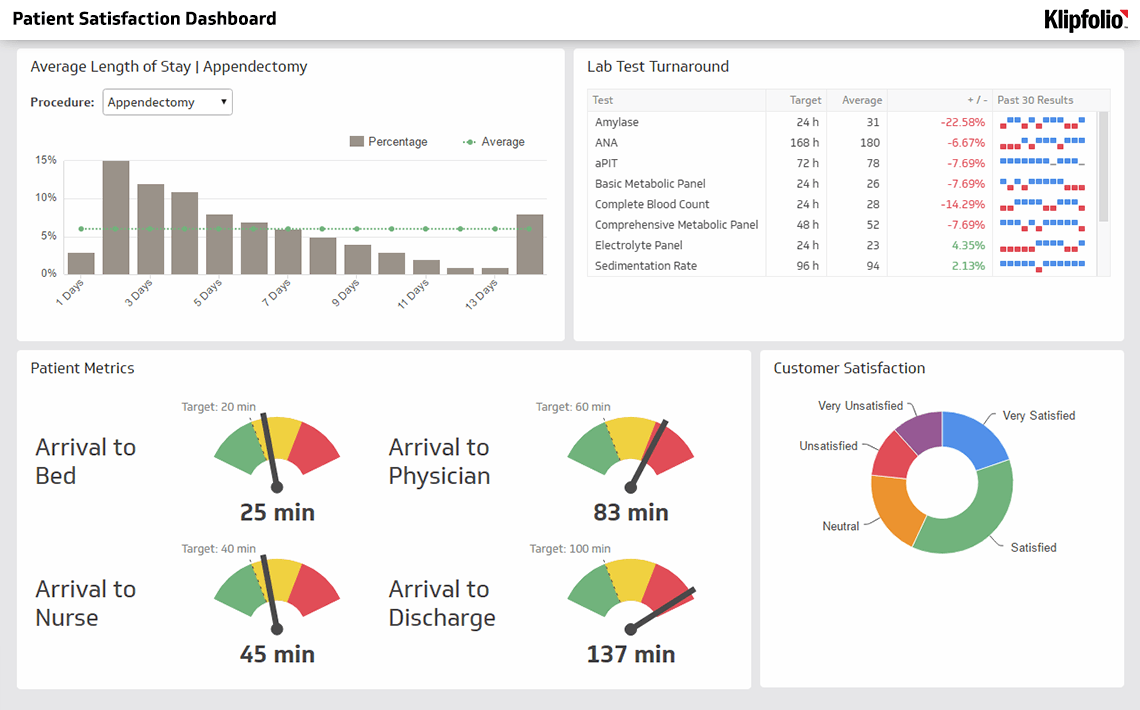
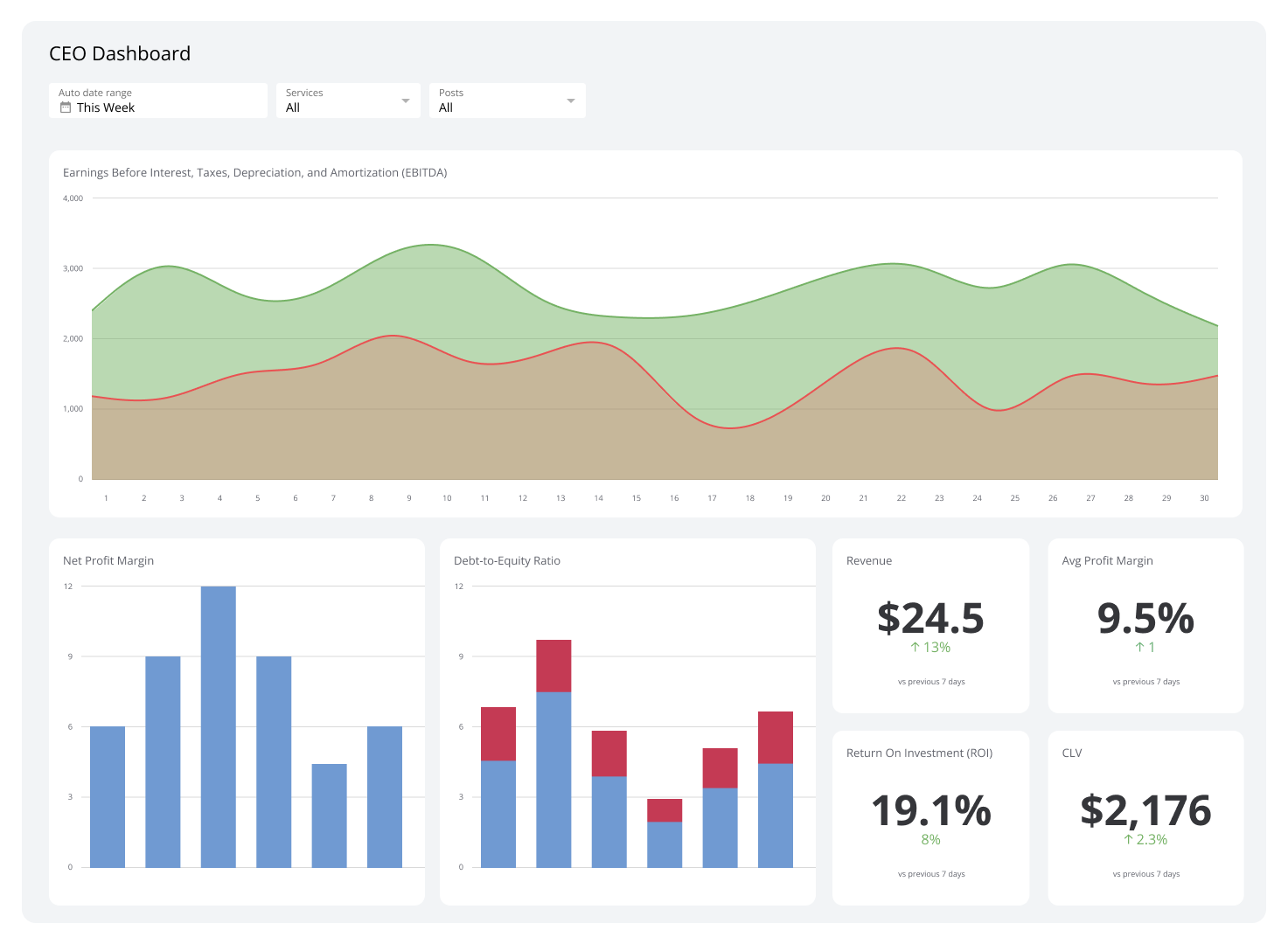
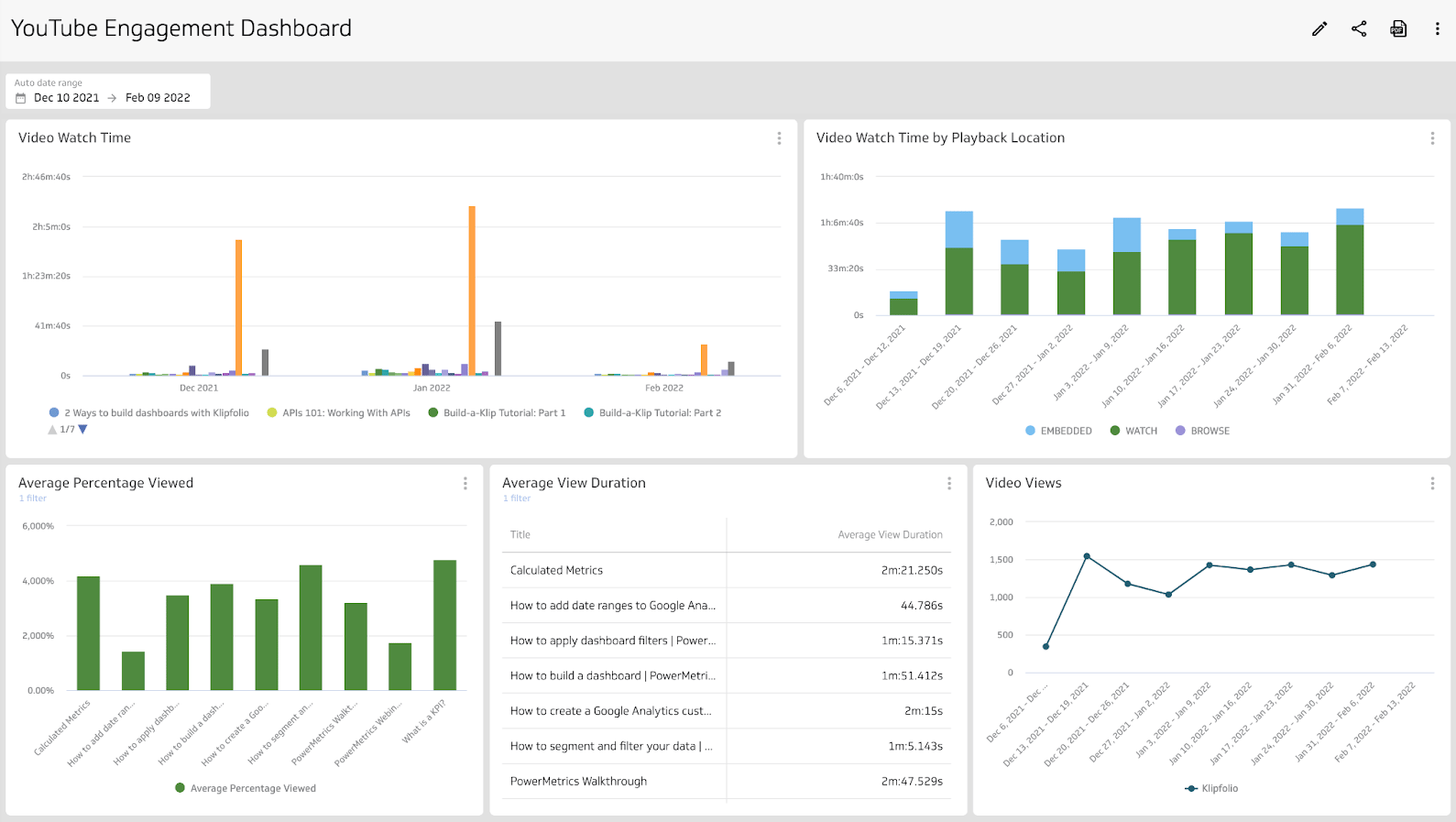
A dashboard built in Klips connects directly to your financial data sources and keeps your Operating Expenses visible in real time. You can see where costs are trending, compare actuals against budget, and share a consistent view with your leadership team without anyone having to pull a number on request. When the data is always current and always in front of you, you spend less time chasing information and more time acting on it.
Operating Expenses: the bottom line
Keeping Operating Expenses under control is one of the most direct ways to protect your margins and fund growth. Regular audits, deliberate cost-cutting, vendor negotiation, and real-time visibility into your numbers all contribute. The businesses that manage OPEX well don't just spend less; they spend smarter, and they know the difference.