Current Accounts Receivable and Accounts Payable
Easily track your accounts receivable and payable for the month
Accounts Payable vs Accounts Receivable
| Metric | Current | Change |
|---|---|---|
| Accounts Receivable | $9,195 | +8.2% |
| Accounts Payable | $8,387 | +5.1% |
Accounts Payable vs Accounts Receivable: What's the difference?
Accounts Payable (AP) and Accounts Receivable (AR) are two sides of the same coin: money your business owes, and money owed to your business. Understanding both is essential for knowing where you stand financially at any point in time.
What is Accounts Payable?
Accounts Payable is the money your company owes to suppliers, vendors, or creditors for goods and services purchased on credit. On your balance sheet, AP is a liability: an obligation you must settle within the timeframe agreed upon with each creditor.
Managing Accounts Payable well protects supplier relationships, prevents late fees, and gives you a clear picture of upcoming cash obligations. Most businesses use software to track outstanding invoices, schedule payments, and keep financial records accurate.
What is Accounts Receivable?
Accounts Receivable is the money customers owe your business for goods or services delivered on credit. On your balance sheet, AR is an asset: revenue you've earned but haven't yet collected.
Keeping Accounts Receivable under control is one of the fastest ways to protect cash flow. When AR is managed well, you reduce the risk of bad debt, collect faster, and always know how much working capital is actually available, not just what's been invoiced.
Why both metrics matter together
AP tells you what's going out. AR tells you what's coming in. Tracking them side by side gives you a real-time view of your liquidity position, not a lagging snapshot from last month's report.
When AP and AR are out of balance, the consequences are immediate: you may owe more than you're collecting, or you may be sitting on uncollected revenue while expenses pile up. Leaders who monitor both metrics together can spot cash flow problems before they become crises and make confident decisions about spending, hiring, or investment.
Monitoring AP and AR on a financial dashboard
Once you've set targets for Accounts Payable and Accounts Receivable, the next step is making sure those numbers are always in front of the people who need them, without anyone having to pull a report or chase down a figure.
A financial dashboard brings AP, AR, and related KPIs into one view, updated automatically, so you know where you stand without having to ask. Read more
Related dashboard examples
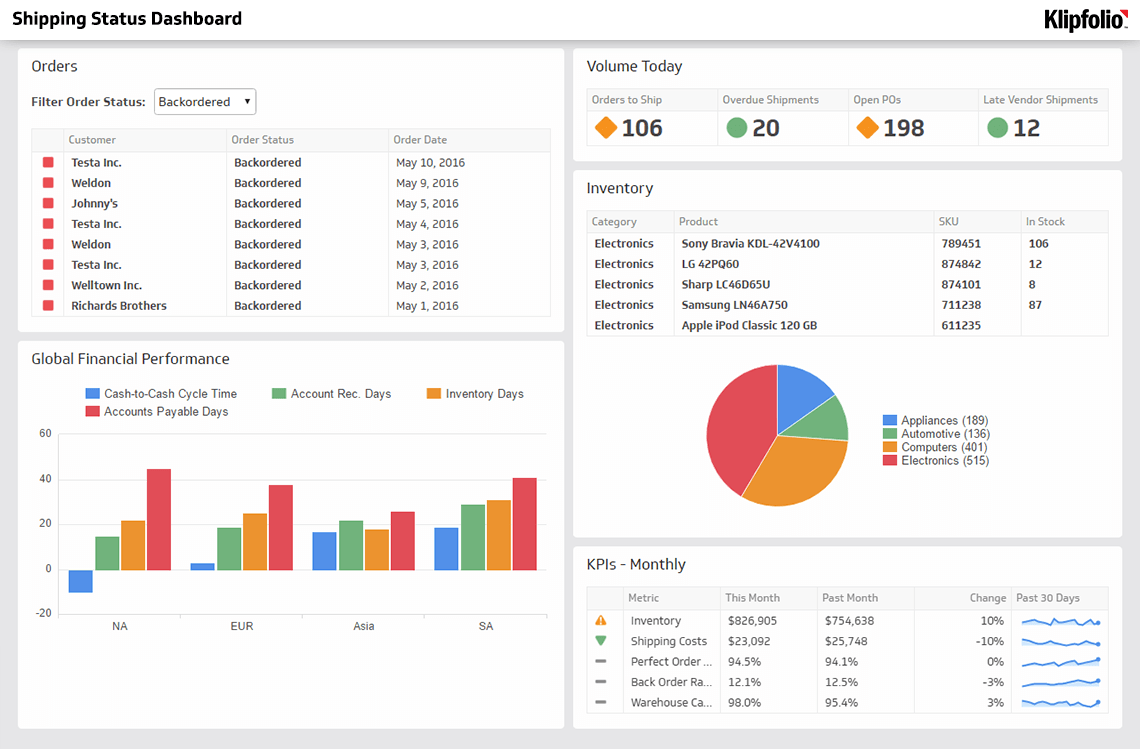
Shipping Status Dashboard
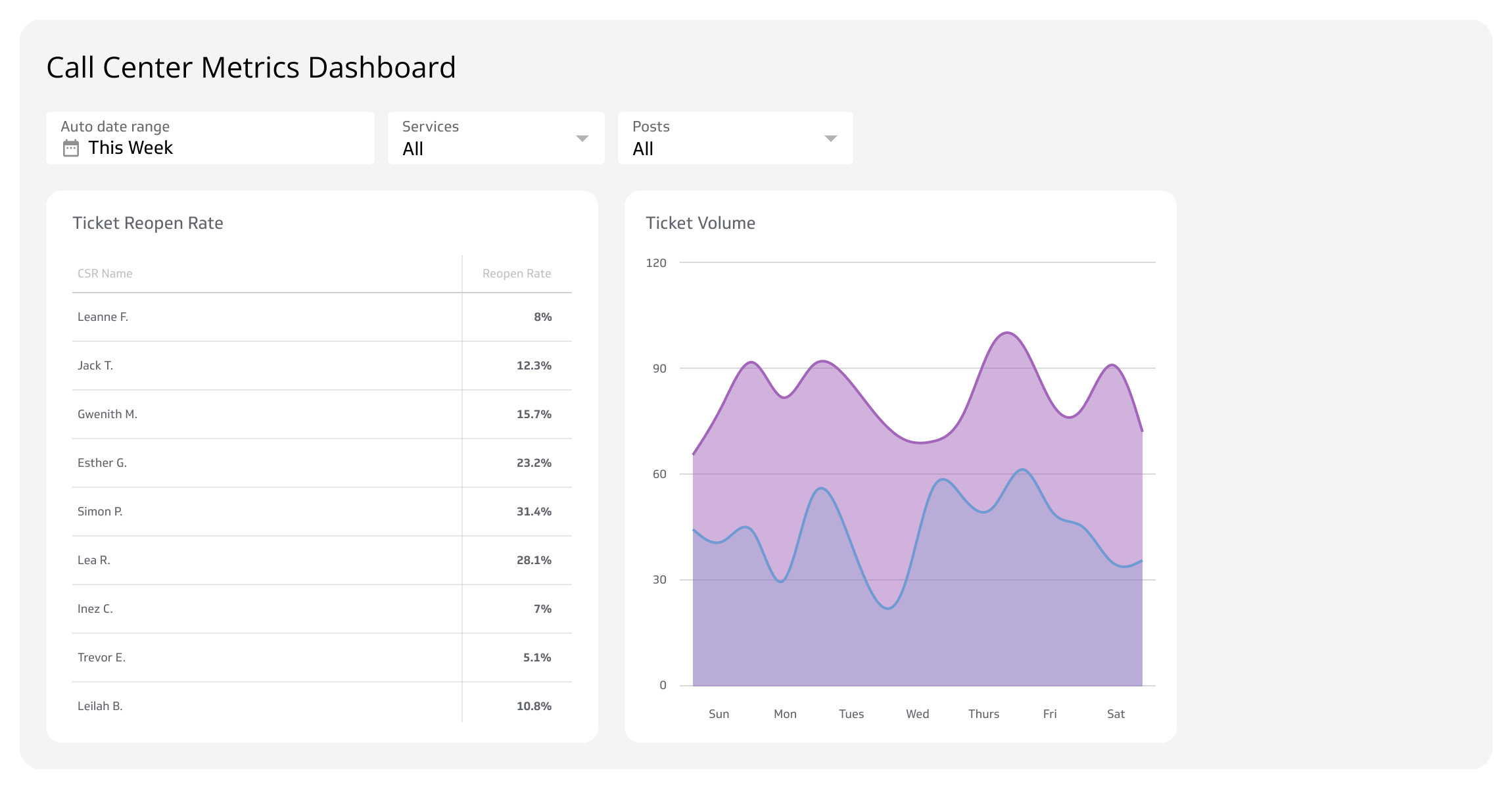
Call Center Metrics Dashboard
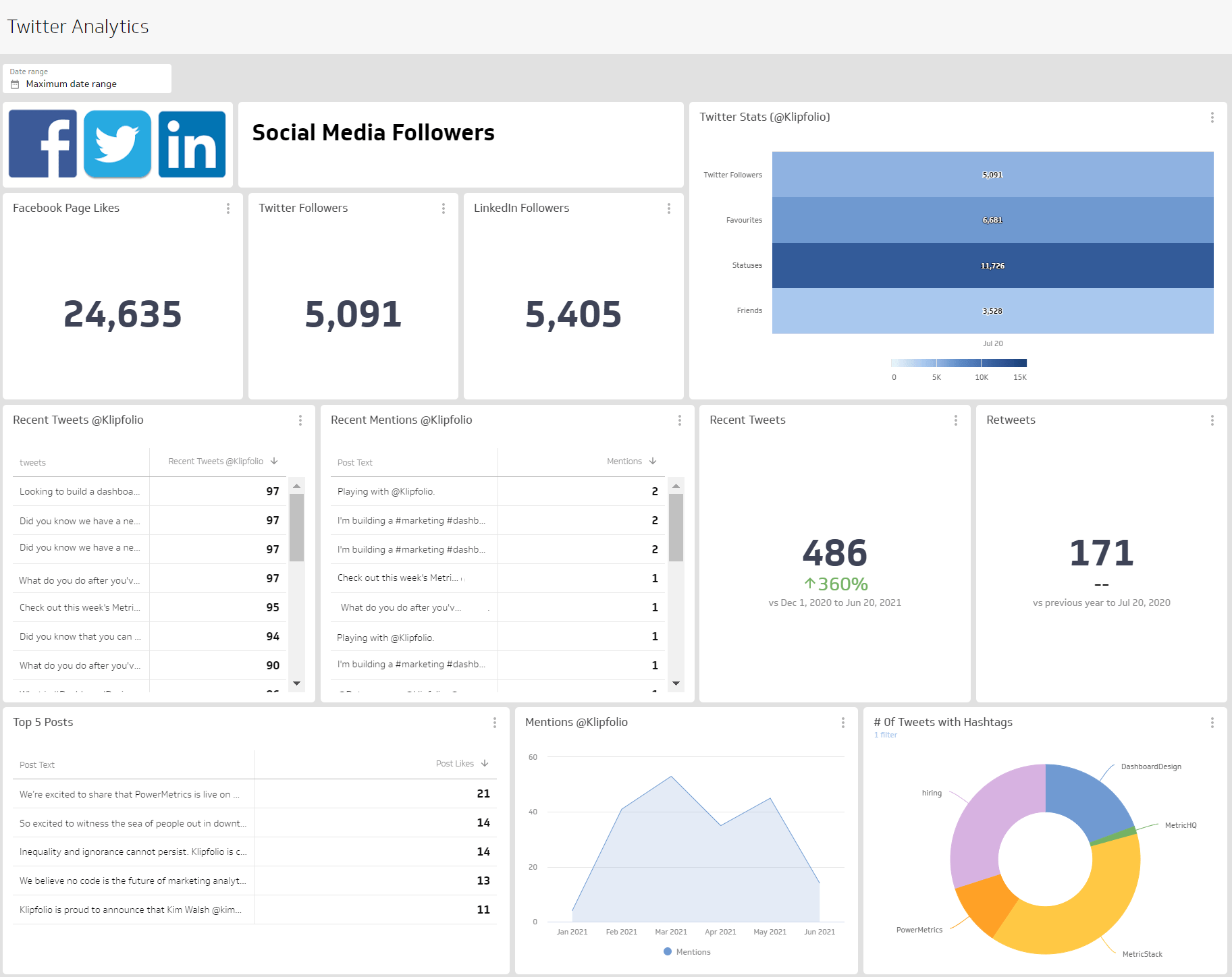
X analytics dashboard
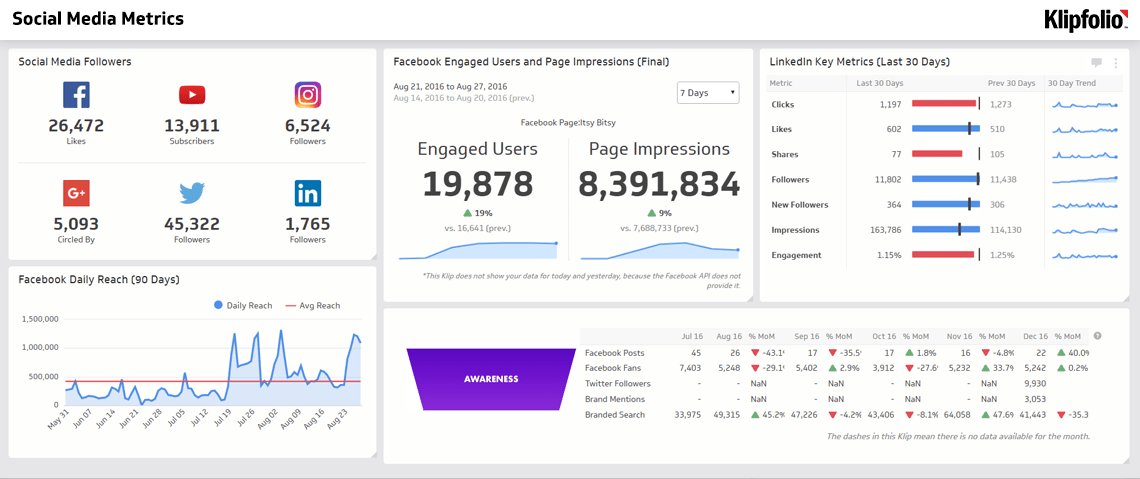
Social Media Metrics Dashboard
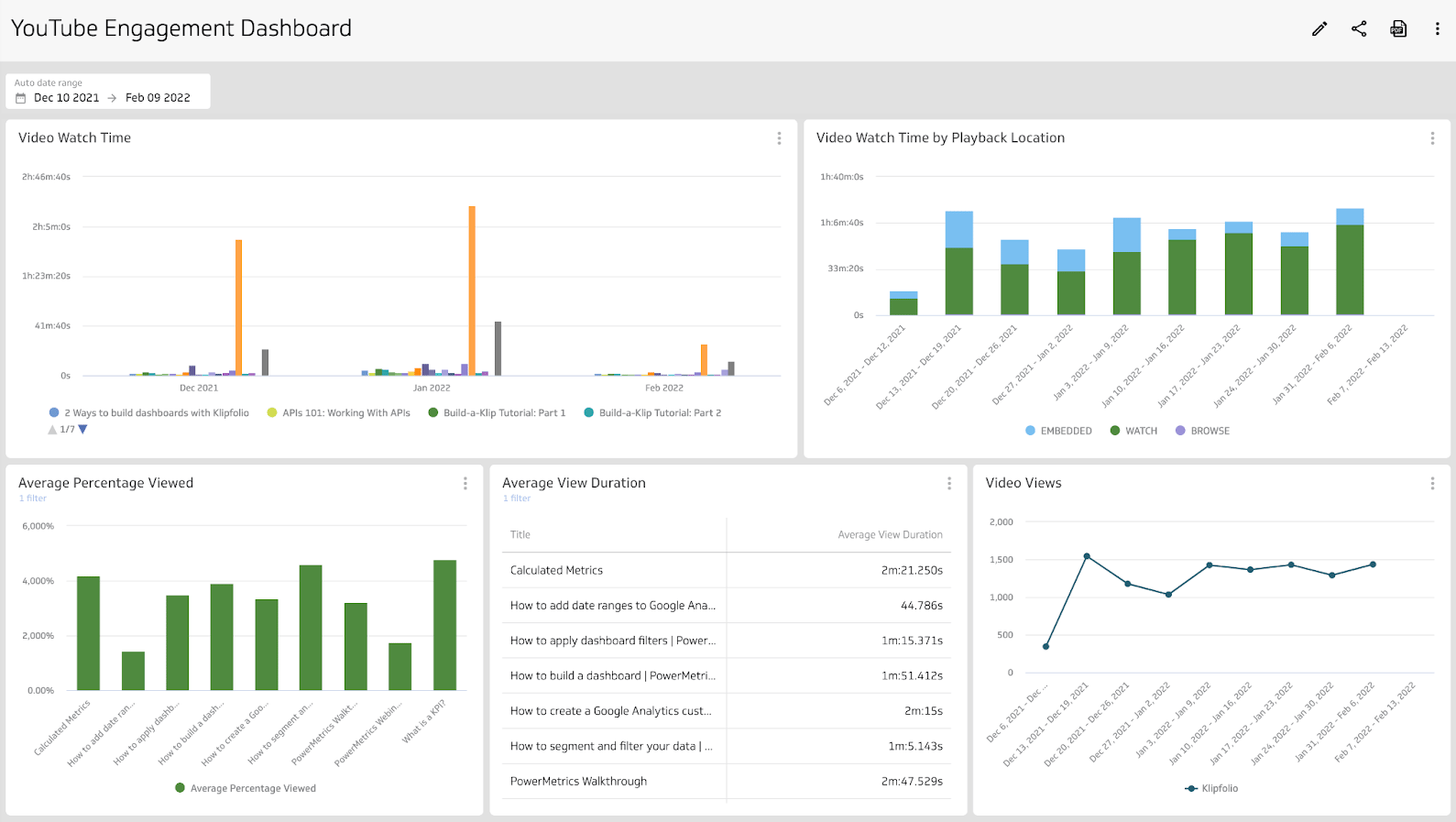
YouTube Analytics Dashboard