Backorder
A backorder occurs when a customer places an order for a product that isn't currently in stock but will be fulfilled once inventory is replenished.
Backorder Rate
A backorder occurs when a customer places an order for a product that isn't currently in stock but will be fulfilled once inventory is replenished.
Backorders are a common reality in e-commerce and product-based businesses. When demand outpaces supply, allowing customers to place orders and wait for restocking keeps sales moving. Managing backorders well is what separates businesses that retain customers from those that lose them.
What is a backorder?
A backorder is an order placed for a product that can't be fulfilled immediately because of insufficient stock. The customer's order is accepted, and fulfilment is delayed until inventory is replenished.
Backorders differ from out-of-stock situations. When a product is out of stock, there's no timeline for when it will return. With a backorder, the business has a reasonable expectation of when it can fulfil the order. That distinction matters to customers, and it matters to your ability to hold the sale.
How backorders work
When customer demand exceeds available supply, orders placed during that gap become backorders. The customer commits to the purchase, and the business commits to fulfilling it within a known timeframe.
This arrangement works well when inventory is managed carefully. A business using a just-in-time inventory strategy, for example, may routinely accept backorders to avoid the cost of holding excess stock. The key is having enough visibility into your supply chain to give customers a reliable delivery estimate, and then meeting it.
Backorder vs. out of stock
These two terms are often confused, but they signal very different things to a customer deciding whether to wait or walk.
| Backorder | Out of stock | |
|---|---|---|
| Order accepted? | Yes | No |
| Restock timeline known? | Yes | No |
| Customer expectation set? | Yes | No |
| Impact on customer trust | Manageable with communication | Higher risk of lost sale |
A backorder tells customers their order is coming. Out of stock tells them to look elsewhere.
Benefits of backordering
Backorders aren't just a stopgap. When managed well, they offer real advantages.
Reduced warehousing costs: You don't need to overstock products to capture demand. This frees up capital and reduces holding costs, which is especially valuable for smaller businesses or when launching new products.
Product customization: Because backorders involve working directly with suppliers to fulfil specific orders, it's easier to accommodate custom requests.
Market testing: Accepting backorders on a new product lets you gauge real demand before committing to large inventory purchases. Customer response tells you whether to stock the product long-term.
Increased brand and product value: Tech companies regularly use pre-orders and backorders to build anticipation for new product launches. Scarcity can drive perceived value.
Reduced waste: Stocking only what customers have ordered prevents unsold inventory, which is particularly useful for seasonal products.
Better forecasting: Tracking backorder patterns helps you understand demand cycles and adjust purchasing decisions over time.
Create custom dashboards for you and your team.
Get started with KlipsDisadvantages of backorders
Backorders carry risk when not managed carefully.
Customer attrition: Customers may be patient once. If backorders become a pattern, they'll find a more reliable supplier.
Declining sales: Extended wait times push customers toward competitors. If a customer can get a similar product in two days elsewhere, a 10-day backorder timeline is a hard sell.
Increased operational load: Your customer service team will field inquiries about pending orders. That compounds quickly during high-volume periods and pulls attention away from growth.
Common causes of backorders
Understanding why backorders happen helps you prevent them.
Demand fluctuations: Seasonal spikes, viral social media moments, or promotional campaigns can create sudden surges that outpace supply.
Supply disruptions: Shipping delays, regulatory issues, dock strikes, or supplier capacity problems can all interrupt the flow of goods.
Low safety stock: Without a buffer of inventory, any disruption creates a stockout. Safety stock levels should reflect seasonal demand patterns.
Inaccurate forecasting: Underestimating demand leaves you underprepared. Forecasting improves with more data and better inventory tracking tools.
Human error: Staff may incorrectly mark available items as backordered, or retailers may accept orders they can't fulfil.
How to reduce backorders
Most backorders are preventable. These practices help.
Increase your safety stock. Once you understand your demand patterns, set safety stock levels that can absorb unexpected spikes. If you've been in business for a few years, your historical data is your best guide.
Monitor stock levels consistently. High-demand items deplete faster than others. Assign clear reorder triggers so your team acts before a stockout occurs.
Diversify your supplier base. Relying on a single supplier creates a single point of failure. Having backup suppliers means a disruption with one doesn't halt your entire operation.
Communicate proactively with customers. If a backorder is likely, tell customers before they ask. Place alerts on product pages with estimated wait times. Proactive communication reduces cancellations and builds trust.
Increase stock capacity ahead of peak seasons. If you know demand will spike, stock in advance. Working with a third-party logistics provider can give you the storage flexibility to do this without permanent overhead increases.
Managing backorder fulfilment
Preventing backorders is the goal, but when they happen, fulfilment execution matters.
Maintain clear communication across your supply chain. Suppliers and logistics partners should flag issues early. The sooner you know about a delay, the sooner you can update customers and adjust expectations.
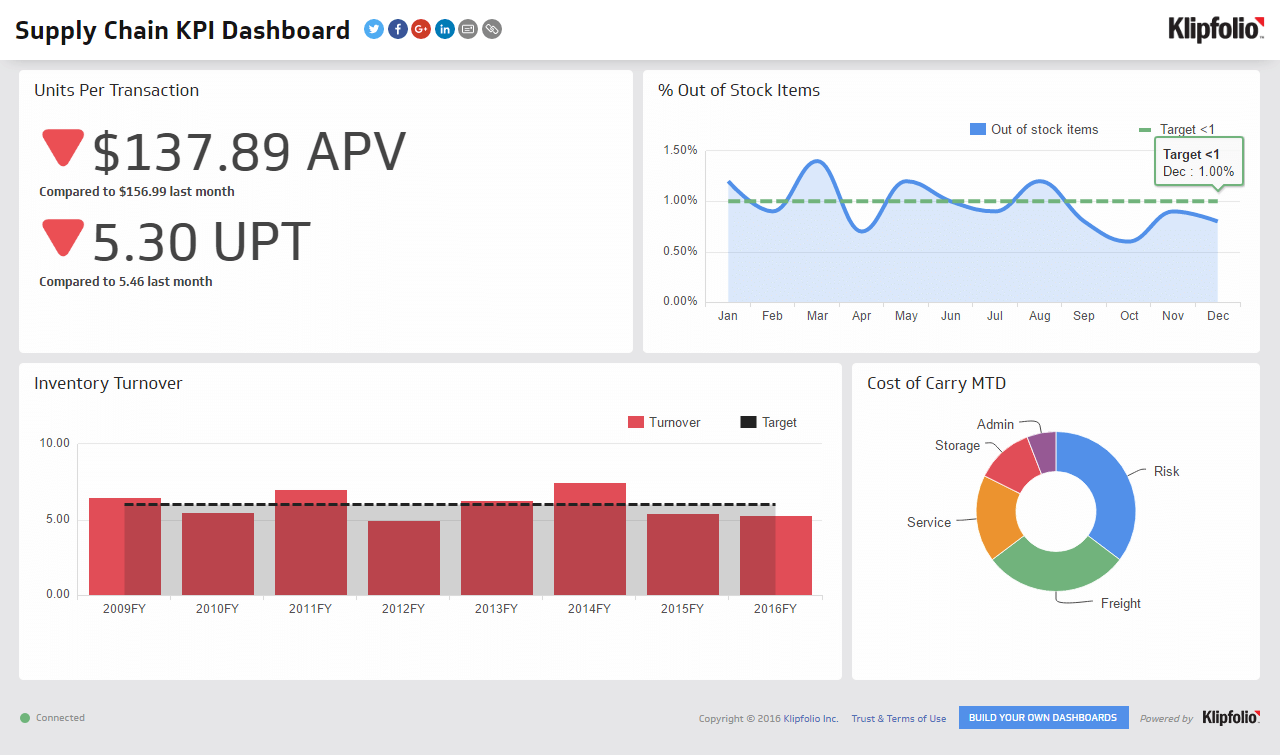
Use data-driven inventory management. Real-time inventory visibility reduces the likelihood of accepting orders you can't fulfil. When your numbers are reliable and consistent across every source, you spend less time chasing down the truth and more time acting on it. Dashboard tools that consolidate inventory data help you run your e-commerce store with fewer surprises.
Invest in warehouse management. Experienced warehouse staff improve inventory accuracy and speed up backorder fulfilment when it does occur.
Give customers accurate timelines. Customers who know when to expect their order are less likely to cancel. Accurate estimates also help them decide whether to wait or look elsewhere, which reduces the frustration of an open-ended wait.
Offer incentives for waiting. A discount, free shipping, or a small bonus item can make a backorder feel like a fair trade rather than an inconvenience. This is especially effective when your lead time is longer than a competitor's.
Backorder FAQs
Create custom dashboards for you and your team.
Get started with KlipsTracking backorders as a KPI
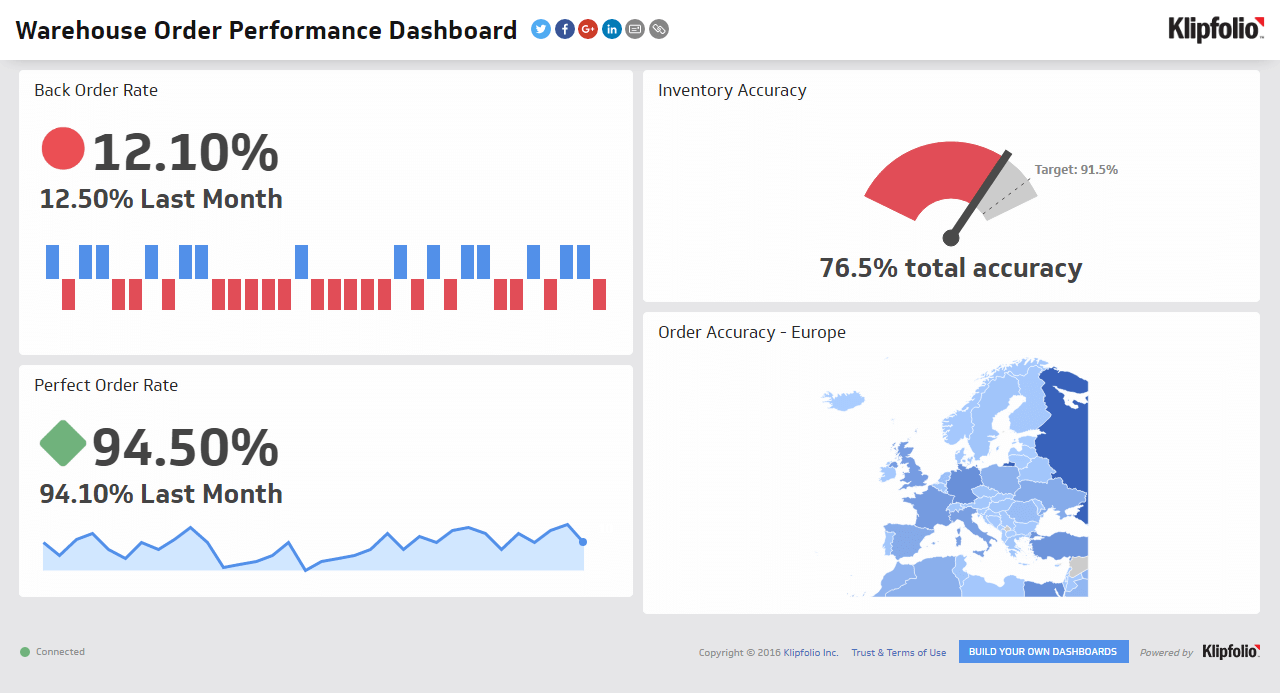
Backorder Rate is a supply chain KPI worth monitoring regularly. A rising Backorder Rate signals problems with forecast accuracy, supplier reliability, or safety stock levels. It's also the number that tells you, before a customer complaint lands, that something in your fulfilment chain needs attention.
You can track Backorder Rate using this formula:
Backorder Rate = (Number of undeliverable orders / Total number of orders) x 100
A lower rate indicates a healthier supply chain. Tracking this metric over time, alongside inventory turnover and fill rate, gives you a clear picture of where fulfilment gaps exist and where to focus improvement efforts. Klipfolio dashboards make it easy to monitor Backorder Rate alongside other supply chain KPIs in real time, so you know what's happening without having to go looking for it.