Organic search traffic
Understand what organic search traffic is, why it matters, and how to grow it with proven SEO tactics.
Track all your SEO KPIs in one place
Sign up for free and start making decisions for your business with confidence.
What is organic search traffic?
Organic search traffic refers to visitors who arrive at your website through unpaid search engine results. When a user searches for a keyword and clicks your listing, that visit counts as organic traffic.
Organic traffic matters because it reflects your website's authority and relevance. Strong organic traffic signals to search engines that your content is valuable, which improves rankings and visibility over time. To grow it, use SEO tactics like keyword research, on-page optimization, and high-quality content creation. Track your results using an SEO dashboard.
Organic search traffic challenges
The biggest challenge with organic search traffic is that Google and other search engines continuously update their ranking algorithms, often without advance notice.
Before, during, or after any optimization work, confirm your pages are indexed. Run a quick search using
site:yourwebsite.com
Organic search traffic best practices
Effective organic SEO draws on several interconnected tactics. Start with keyword opportunity analysis and keyword ranking monitoring, then build authority through backlinking and link building. Always write content for human readers first.
Search behaviour shifts over time. Users change the phrases they use when researching a purchase, so keyword research is an ongoing task, not a one-time exercise. Two approaches work well here.
First, review Google Ads data. The keyword planning tool surfaces ideas based on your existing terms. Your paid search team may also have identified keyword trends that the SEO team hasn't seen yet, since paid campaigns constantly test new phrases. See how this connects to your broader paid strategy: AdWords Dashboard.
Second, use a competitive research tool like SEMRush integration or Moz integration. These platforms show you what your competitors rank for and where they are gaining traction. In SEMRush, navigate to the Competitors tab to identify which terms a competitor ranks for. Once you understand their keyword strategy, you can adapt your own content and targeting accordingly.

Is organic search traffic better than paid search traffic?
Kristine Schachinger from Search Engine Land makes a strong case in 4 Reasons Organic Search is Better. The core argument: paid and social traffic have real value, but neglecting organic search leaves performance on the table across every channel.
Organic search delivers more relevant traffic overall.
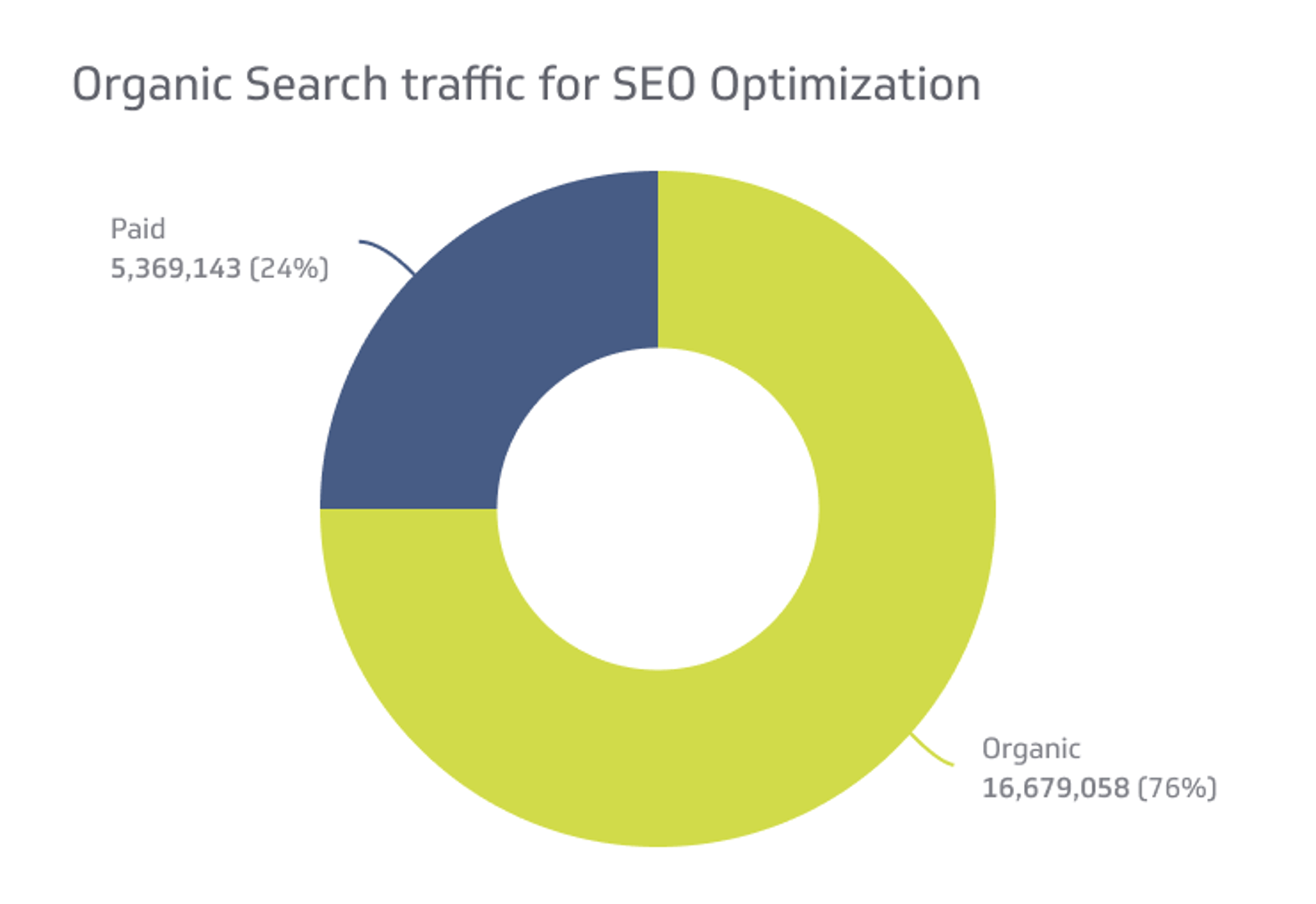
- Paid search ads outperform organic in one narrow area: online conversions metric. For total traffic volume, paid search accounts for roughly 10 percent. Organic carries the rest.
Organic and paid search together outperform either channel alone.
- If your organic listings are weak, your paid campaigns underperform too. Both channels reinforce each other, and neglecting one costs you in both.
Social platforms operate by their own rules.
- When a platform controls the environment driving your traffic, you are exposed to sudden algorithm changes. Those changes can happen overnight, leaving little time to adapt, especially for larger organizations.
Organic traffic builds long-term audience relationships.
- Social and paid ads generate visits, but bounce rates are high and pages-per-session tend to be low. Organic search is different. Matching keywords to user intent means users may find you consistently across multiple searches. Once they arrive, they stay longer and are more likely to become repeat customers.
How to monitor organic search traffic in real time
The Organic Search Traffic KPI works best when tracked alongside related web metrics. Viewed in isolation, it tells only part of the story. As an SEO KPI, it needs context from your broader digital marketing performance, including click-through rates, link-building metrics, and marketing return on investment.
Bring these metrics together on a Marketing Dashboard to spot trends, flag drops early, and share performance with your team in real time.
Related Metrics & KPIs