

10 must-have search marketing metrics
Track the 10 search marketing metrics that matter most: Click-Through Rate, Landing Page Performance, Web Traffic Concentration, Web Traffic Sources, First Visit, Referral Traffic, Keyword Performance, Page Authority, Domain Authority, and External Links. Learn what each metric tells you and how to monitor them all in one place.
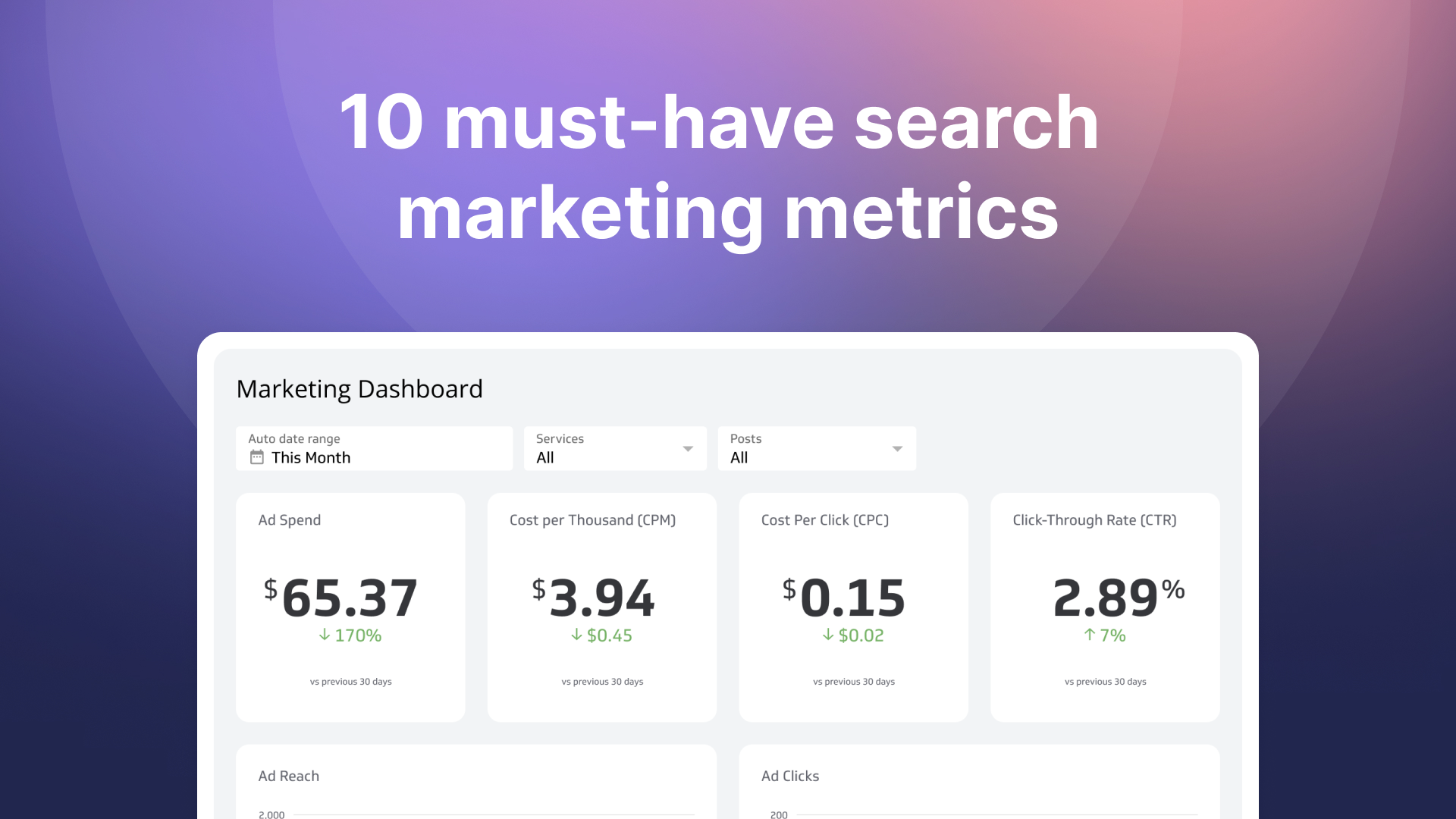
Organic search traffic is the foundation of SEO. Track the right metrics and you know exactly where to focus. Miss them and you're guessing.
Search engines remain one of the highest-converting traffic sources for most businesses, yet many marketing teams still rely on spreadsheets, scattered reports, or pasting numbers into a chatbot to piece together what's actually happening. A dedicated search marketing dashboard changes that. You get a single, reliable view of what's working, what isn't, and where the real opportunities are.
This article covers the 10 marketing metrics every search marketer should be tracking, why each one matters, and what it tells you about your next move.
What is a search marketing dashboard?
A search marketing dashboard is a centralized view of the metrics that drive organic and paid search performance. It pulls data from tools like Google Analytics and Moz into one place, so you can see rankings, traffic, conversions, and authority without toggling between tabs or waiting for someone to pull a report.
The goal isn't a prettier spreadsheet. The goal is knowing, at a glance, whether your search efforts are moving the needle and where to act next.
Why search metrics still matter
Social media marketing gets a lot of attention, and for good reason. But search engine traffic is different in a fundamental way: it's intent-driven. Someone searching for what you offer is already partway to a decision. That makes search one of the most valuable channels to monitor closely.
The challenge is that search performance spans dozens of variables: keyword rankings, page authority, backlink volume, traffic sources, and more. Without a clear set of metrics, it's easy to track everything and understand nothing.
The 10 metrics below cut through that noise. Together they give you a complete picture of how your search presence is performing and where to put your energy.
10 essential search marketing metrics
Create custom dashboards for you and your team.
Get started with KlipsGoogle Analytics

1. Click-Through Rate
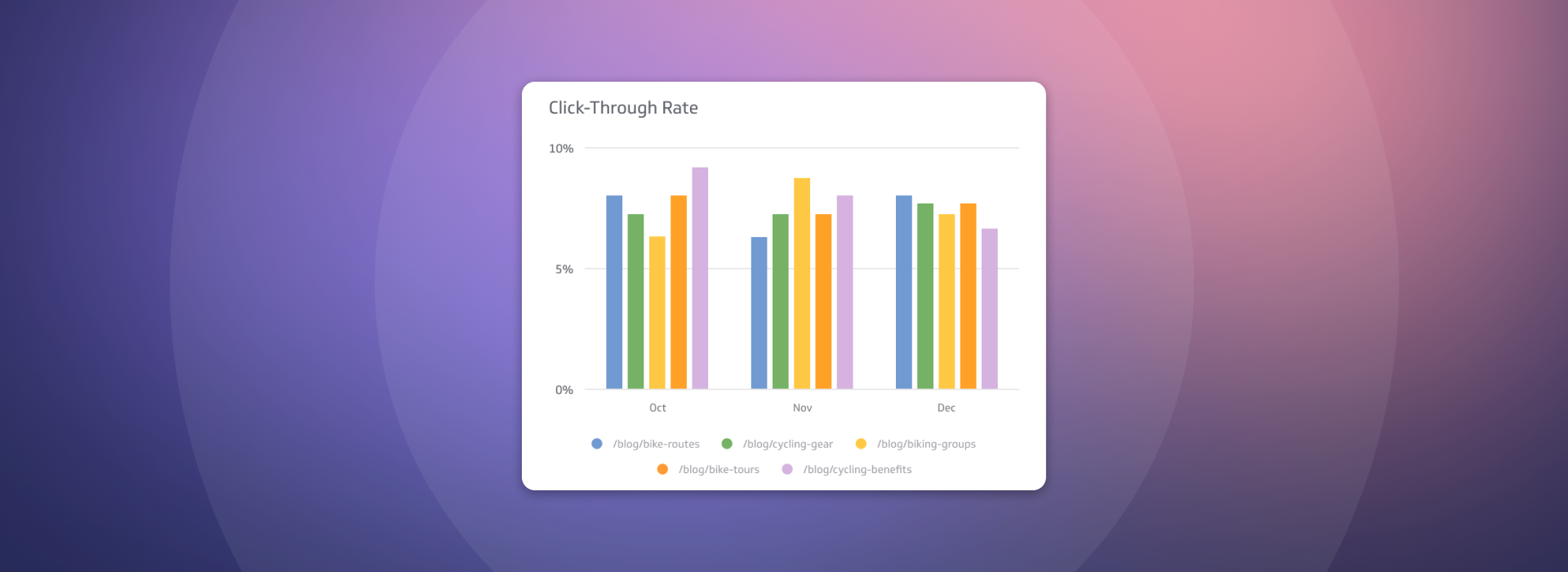
Click-Through Rate (CTR) measures how often people who see your page in search results actually click through to it. A high impression count with a low CTR means your title or meta description isn't compelling enough to earn the click, even when you're ranking.
Tracking CTR by page and keyword tells you where small copy changes could deliver meaningful traffic gains without any additional SEO work. It's one of the fastest levers available to a marketing team.
Learn more about Click-Through Rate
2. Landing Page Performance
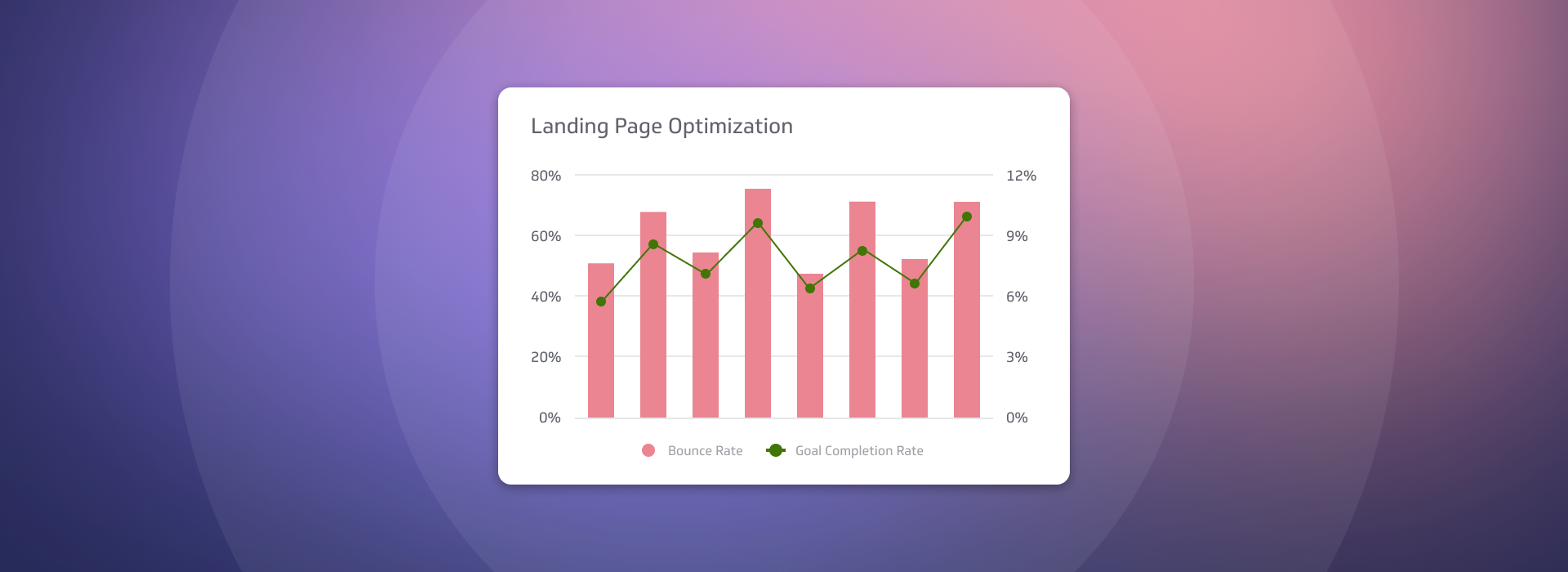
Landing Page Performance shows you which pages are attracting organic visitors and what those visitors do once they arrive. Metrics like bounce rate, time on page, and conversion rate reveal whether your content is matching what searchers actually want.
A page that ranks well but converts poorly is a signal: the intent behind the search isn't matching what the page delivers. Fixing that gap is often more valuable than chasing a higher ranking.
Learn more about Landing Page Performance
3. Web Traffic Concentration

Web Traffic Concentration measures the share of total site visitors landing on a specific page. If a large percentage of your traffic flows through just one or two pages, your site has a concentration risk: a single ranking drop or algorithm update could significantly hurt overall performance.
Monitoring this metric helps you identify over-reliance on a small number of pages and prioritize content development to spread your traffic base.
Learn more about Web Traffic Concentration
4. Web Traffic Sources
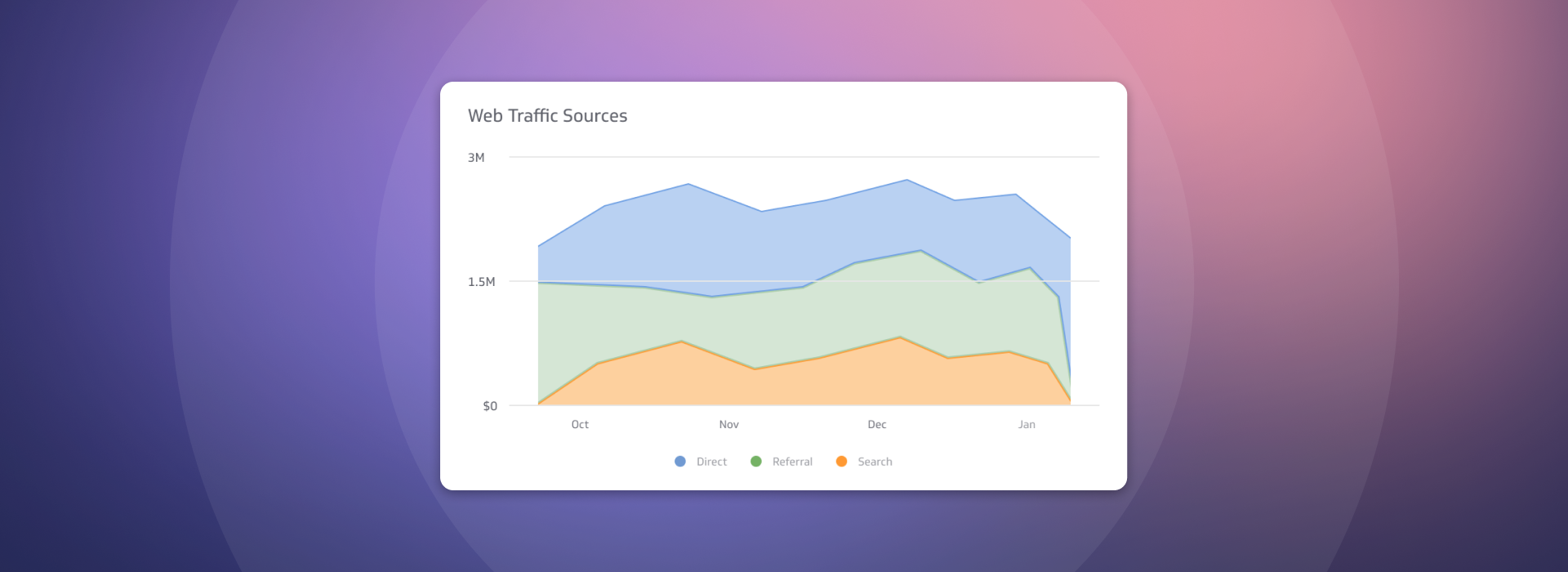
Web Traffic Sources breaks down where your visitors are coming from: organic search, direct, referral, paid, social, or email. Knowing the mix tells you which channels are pulling their weight and which are underperforming relative to the investment you're making in them.
For search marketers specifically, this metric confirms whether SEO efforts are translating into measurable organic traffic growth over time, or whether other channels are compensating for a gap.
Learn more about Web Traffic Sources
5. First Visit
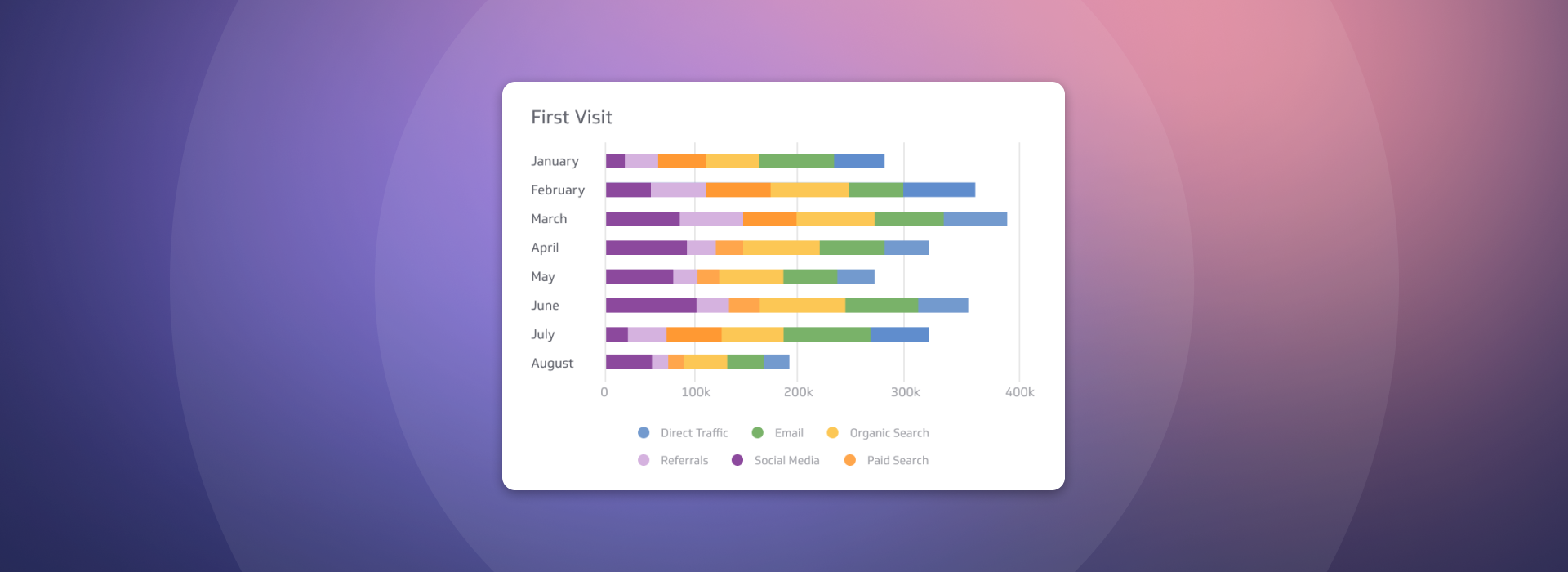
First Visit data shows how new visitors find your site and how they behave when they get there. Entry page, traffic source, pages visited, and session duration all combine to reveal the first impression your site makes on someone who has never been there before.
If new visitors are bouncing quickly from pages that rank well, that's a content alignment problem worth solving. If they're exploring deeply, you're attracting the right audience.
6. Referral Traffic

Referral Traffic measures visitors who arrive at your site from links on other websites. This metric matters for two reasons: it shows which external sites are sending you traffic, and it reflects the strength of your backlink strategy, since quality inbound links are a major ranking factor.
A steady or growing referral traffic trend is a sign that your content is earning attention and links from other sources in your industry.
Learn more about Referral Traffic
7. Keyword Performance
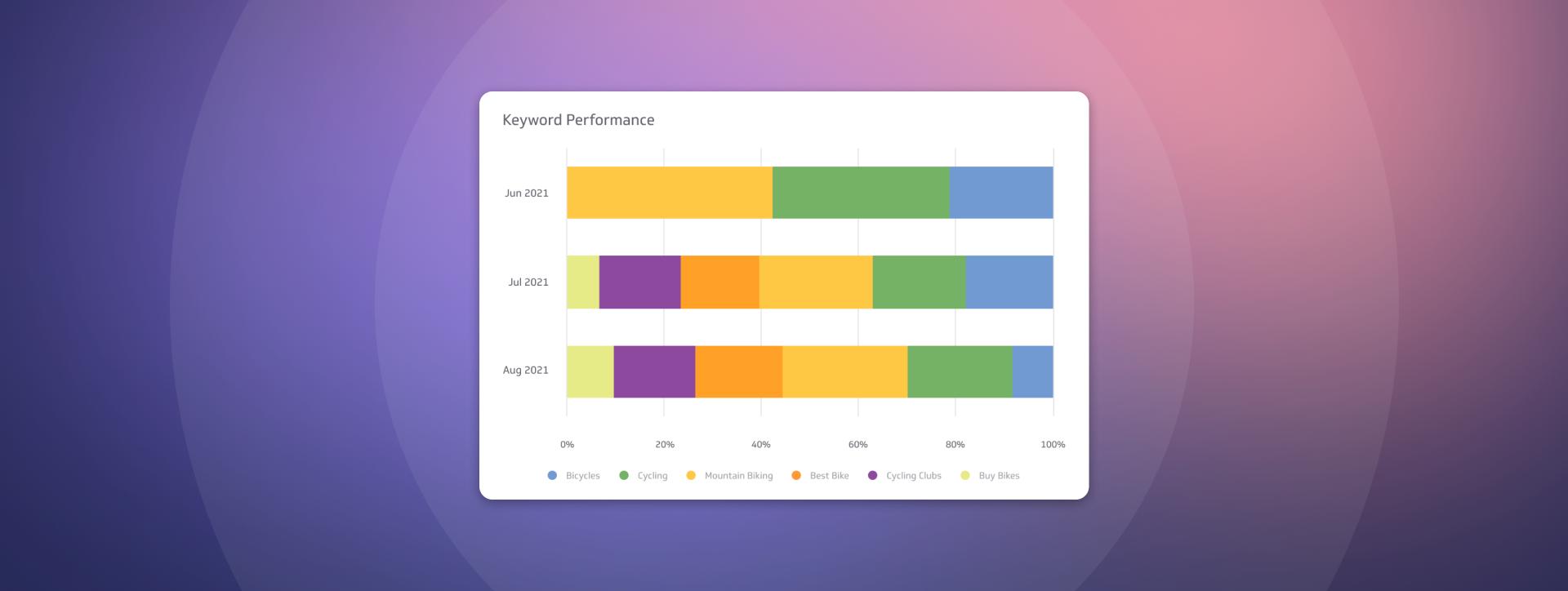
Keyword Performance tracks where your pages rank for the terms your audience is searching. It tells you which keywords are driving traffic, which are losing ground, and where you have an opportunity to move from page two to page one.
Ranking data is most useful when it's connected to traffic and conversion outcomes. A keyword that ranks well but drives no conversions deserves a different response than one that ranks in position eight and converts every visitor who clicks through.
Learn more about Keyword Performance
Moz

8. Top Pages by Page Authority
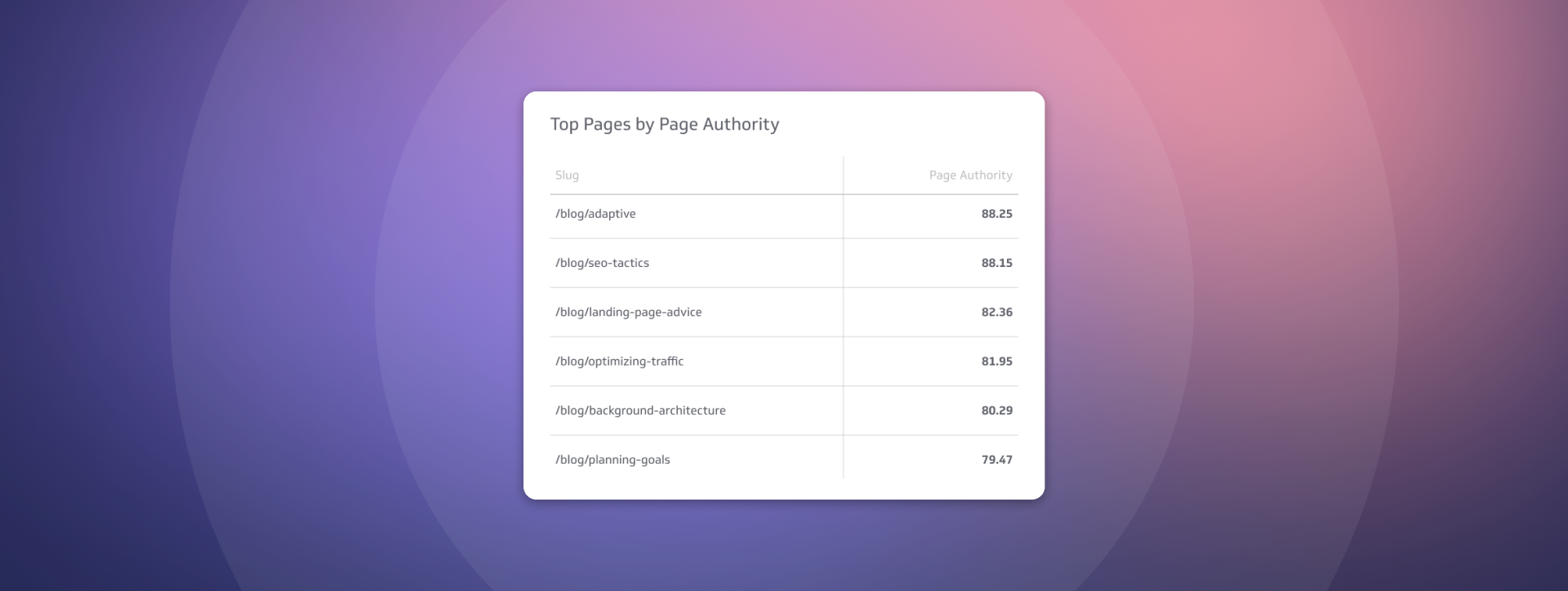
Page Authority (developed by Moz) predicts how likely a specific page is to rank in search results, based on factors like inbound links and content quality. Ranking your pages by Page Authority shows you which content carries the most SEO weight and which pages have room to grow.
High-authority pages are worth protecting and updating regularly. Low-authority pages on important topics are candidates for a content or link-building push.
9. Domain Authority

Domain Authority is a score that predicts how well your entire website is likely to rank across search engines. It's most useful as a competitive benchmark: compare your Domain Authority against competitors to understand where you stand and how much ground you need to close.
A rising Domain Authority over time is a signal that your overall SEO strategy is working. A flat or declining score, especially when competitors are climbing, is a prompt to revisit your backlink and content strategy.
Learn more about Domain Authority
10. External Links

External Links counts the number of inbound links pointing to your site from other domains. Search engines treat these as votes of credibility. More high-quality external links generally means higher authority and better rankings.
Track this metric over time and against competitors. If a competitor is consistently outranking you and has significantly more external links, that's a clear indicator of where to focus your outreach and content efforts.
Learn more about External Links
How to track these metrics in one place
Pulling these numbers from Google Analytics and Moz separately, then piecing them together in a spreadsheet or explaining your data to an AI tool from scratch each week, costs time you don't have. A marketing dashboard built in Klips connects directly to your data sources and keeps all 10 metrics current automatically.
Your team sees the same numbers at the same time. Rankings shift, traffic drops, and backlink gaps surface without anyone having to go looking for them. That's the difference between reacting to problems after the fact and staying ahead of them.
Explore more marketing metrics in our KPI library, or read our guide on how to define your organization's KPIs if you're building out your tracking framework from scratch.
Related reading
Published 2023-04-13
More in Dashboards

Content metrics for content marketing and journalism

How to build high-value backlinks: 8 strategies that drive real results

The 5 most important SEO KPIs for digital marketing success

5 content marketing opportunities you're probably missing (we were too)

What are the best inbound marketing KPIs?

What the fastest-growing SaaS companies actually track
Most recent
- SEP 25What SOC 2 taught a small team about trust
- SEP 15The AI race: progress, humanity, and trust
- SEP 9The good advisor
- AUG 11Beyond simple sign-ups: how True Trials and Activation predict growth
- JUL 7Why business leaders miss important trends in their dashboards
- JUN 19The best chart for the job: Visualizing data for non-technical users